Here's what stress actually does to desire
Let's be real: when you're stressed, sex is the last thing your body wants. Work deadlines, financial pressure, family stuff, a pandemic, a breakup aftermath. Your nervous system isn't interested in pleasure. It's interested in survival.
This isn't a character flaw. It's neurobiology. Chronic stress keeps your sympathetic nervous system (the fight-or-flight branch) activated. Arousal lives in the parasympathetic nervous system (rest-and-digest). You can't access both at the same time. It's like trying to accelerate and brake simultaneously.
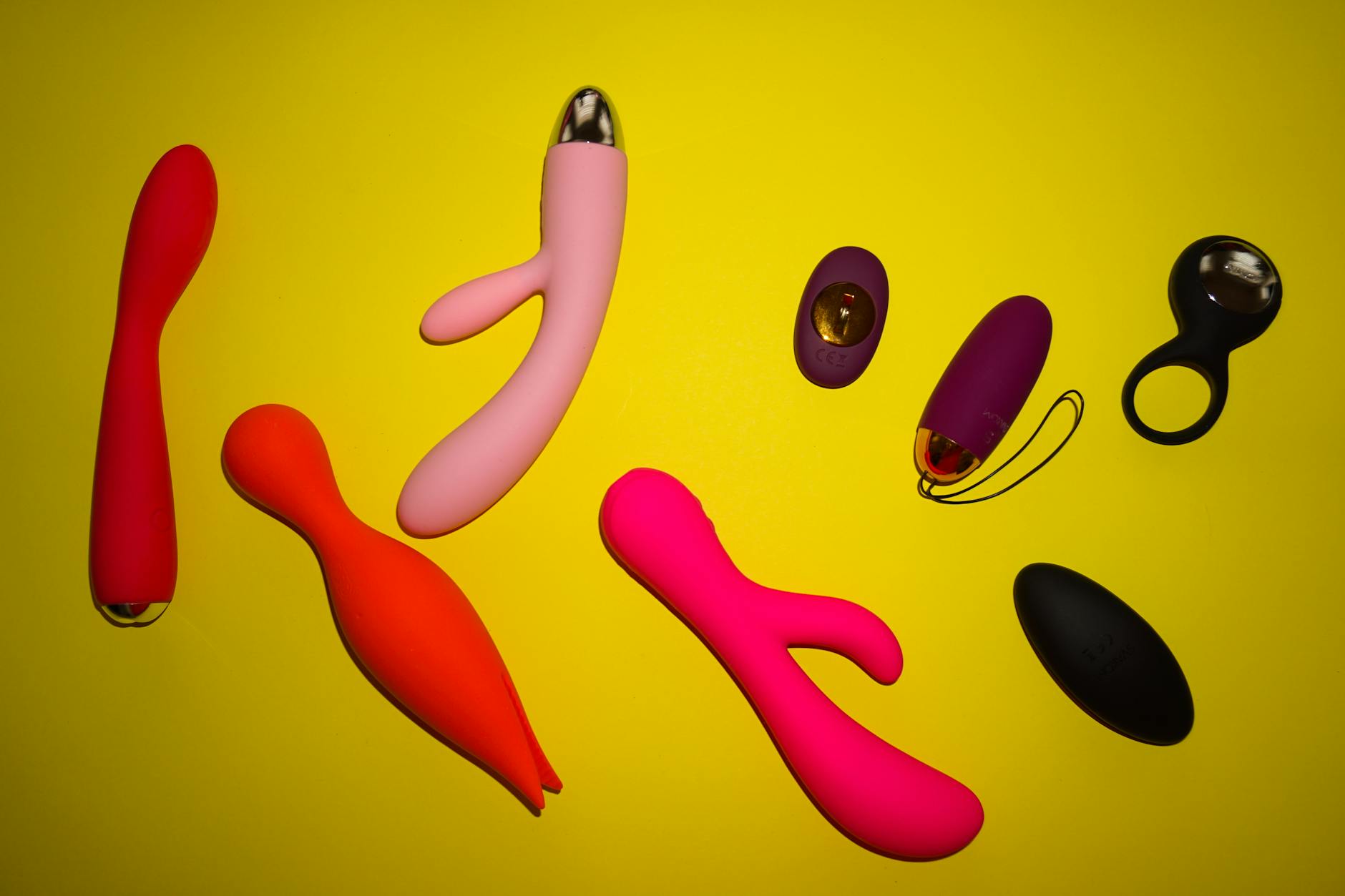
Here's the thing that usually gets missed: you don't need to "relax" first. That's impossible advice when you're wound tight. What you need is something that directly activates the nerve pathways for pleasure, bypassing all that stuck-in-stress wiring. Clitoral vibrators, especially air-suction lemon vibrators, do exactly that.
Why stress kills arousal faster than you'd think
When stress is high, your cortisol stays elevated. Cortisol literally suppresses sex hormones like dopamine and testosterone. Your brain chemistry shifts. Blood flow redirects away from your genitals and toward your core muscles (preparing you to run). Your pelvic floor tightens defensively.
Meanwhile, your threshold for pleasure goes up. A partner's touch that used to feel amazing now feels like an interruption. You might feel numb, or you might feel touched-out completely.
The weird part: this happens even if intellectually you want to have sex. Your partner could be perfect, your relationship could be solid, and your body still says no. That disconnect between what you want and what your nervous system will allow is deeply frustrating.
How lemon vibrators work differently under stress
Air-suction vibrators like the Lem work through direct stimulation of the clitoral nerves, which is fast and efficient. When stress has flattened your arousal, you need something that doesn't require much from you. No mental gymnastics. No waiting for your body to gradually wake up.
Clitoral vibrators provide consistent, precise stimulation that your nervous system recognizes as pleasure before your anxious brain can interrupt it. The sensation is strong enough to pull focus away from worries. You're not thinking about your to-do list when a lemon clitoral vibrator is on pattern three.
The other advantage: you're in control. Solo use means no performance pressure, no checking in with a partner, no external timeline. Your body can let its guard down because there's no one watching, no one waiting, nothing to accomplish except what feels good.
Many clients find that using a lemon vibrator solo during high-stress periods actually rebuilds their capacity for arousal. It's like you're reminding your nervous system that pleasure is still available. That pathways still exist.
The three-step approach when stress has flatlined desire
First, remove all expectations. Not just performance expectations. Remove the idea that this "should" lead somewhere. You're not working toward an orgasm. You're not getting ready for partnered sex. You're just exploring sensation. This shift in intention actually changes what's neurologically possible.
Second, create actual space for it. Not five minutes between emails. I'm talking 20 to 30 minutes when you can close the door, silence your phone, and know you won't be interrupted. Stress tells your brain that nothing is safe. A locked door and blocked time tell your nervous system the opposite. That permission matters.
Third, start low and let sensation build. With a lemon clitoral vibrator, many people make the mistake of jumping to the highest intensity. When you're stressed, your tissues are tense and your sensitivity is dampened. Start at pattern one. You might feel almost nothing. That's normal. Give it two to three minutes. Your body will start to register it.
What happens in your nervous system when this works
When you sit with consistent clitoral stimulation in a low-stress environment, something shifts. Your vagal tone improves. The vagus nerve runs from your brain to your pelvic floor, and it's the main highway between your thinking brain and your body. Vagal tone is basically how well your nervous system can shift between states.
Each time you allow yourself pleasure despite stress being present, you're strengthening that pathway. You're also proving to your nervous system that pleasure is still accessible. That arousal is still possible. That your body hasn't forgotten.
Orgasm isn't the goal here, though it might happen. The goal is rebuilding the habit of pleasure. Making arousal feel normal again, not like a luxury you can't afford.
Combining lemon vibrators with other stress-relief tools
If you're using a lemon sexual toy during high-stress periods, a few other things amplify the effect.
Breath work before you start. Three minutes of slow breathing (four counts in, seven counts hold, eight counts out) signals your parasympathetic nervous system to activate. By the time you turn on your lemon vibrator, you've already begun the shift.
Turn off your phone. Seriously. The presence of your phone creates a subtle background stress. Knowing notifications could arrive keeps your nervous system partially activated. Off means off.
Use lube, even if you don't think you need it. When stress is high, natural lubrication decreases. Lube removes friction and makes sensation feel softer and more pleasurable instead of slightly irritating. Water-based works great with any lemon clitoral vibrator.
Consider timing. Many people find that morning sessions work better under stress than nighttime. Your cortisol is highest in the morning anyway (it's supposed to be), so you're not fighting as hard against the cycle. Late morning or early afternoon is often the sweet spot.
When stress and arousal issues need more support
If stress-related arousal loss has persisted for more than a few months, or if you're experiencing pain during sex alongside the numbness, talking to a therapist who specializes in sexual health makes sense. Sometimes stress triggers bigger patterns. A lemon vibrator is a brilliant tool, but it's not a substitute for addressing what's causing chronic stress in the first place.
If you have a partner, involving them in the solution can actually strengthen things. Not by pushing them away, but by being honest about what's happening. "My nervous system is stuck in stress mode, and I need some solo time with my vibrator to rebuild arousal" is radically different from "I don't want you." Most partners find that transparency refreshing.
People also ask
How long does it take for a lemon vibrator to help when stress is blocking arousal?
Some people notice a shift in sensitivity within a single session. Others need three to five sessions before their nervous system starts responding. The key is consistency. Weekly or twice-weekly use during high-stress periods rebuilds arousal faster than sporadic attempts. Think of it less like a quick fix and more like retraining your nervous system that pleasure is allowed.
Can I use a lemon clitoral vibrator if I'm totally numb from stress?
Yes, and actually, you should. Numbness is often when clitoral vibrators are most valuable. Start with the vibrator but keep expectations low. You might feel almost nothing at first. That's fine. Keep the vibration on for a full ten minutes even if sensation is minimal. Your nerve endings will start to wake up. Patience here pays off.
Will using a lemon vibrator help me have better sex with my partner after stress passes?
Often, yes. Rebuilding arousal solo helps your nervous system remember that pleasure is possible. That usually translates into easier arousal with a partner. The connection isn't automatic, though. Stress affects desire, but it also affects how you show up in relationship. Addressing the stress itself matters too.
Is there a best time of day to use a clitoral vibrator when stress is high?
Most people find morning or early afternoon works better than evening. Nighttime cortisol is naturally lower, which is good for sleep but can make arousal harder because your nervous system is already winding down. A morning session often feels more responsive and helps set a better mood for the whole day.
Can antidepressants plus stress make arousal harder, and will a lemon vibrator help with that combo?
Yes, stress and antidepressants can both affect arousal. A lemon clitoral vibrator can help rebuild sensation, but it's worth talking to your prescriber about timing. Some people find that taking antidepressants earlier in the day and scheduling solo pleasure time in the morning works better. How Lemon Vibrators Help When Antidepressants Affect Orgasms covers that dynamic in detail.
Should I tell my partner I'm using a lemon vibrator to address stress-related arousal loss?
It depends on your relationship and comfort level. Some couples find that transparency deepens things. Others prefer privacy. What matters is honesty with yourself. You deserve to rebuild arousal without shame or secrecy. If your partner learns about it later and reacts poorly, that's information worth having about the relationship itself.
The bottom line
Stress doesn't have to be permanent permission to give up on pleasure. Lemon sexual toys, especially clitoral air-suction vibrators, offer a direct way to rebuild arousal when your nervous system is stuck in survival mode. They work because they don't require your anxious brain to cooperate. They just activate sensation, and that reminder can be enough to shift everything.
Start with a lemon vibrator as a solo exploration, not as a performance or a sprint to orgasm. Give your nervous system time to remember that pleasure is still possible. Most people find that consistent use over a few weeks makes a huge difference in how aroused they feel in general, not just during solo time.
Your body hasn't forgotten how to feel good. Stress has just temporarily convinced it that pleasure isn't safe. A little direct stimulation often proves otherwise. If you're ready to explore that possibility, reach out and let's talk about how to get started.