Let's start with what you're probably feeling (and not feeling)
Numbing happens. Whether it's from medication, hormonal changes, nerve damage, long-term toy use, or just the random cruelty of aging, the sensation in your clitoris can flatten out until stimulation feels like you're touching someone else's body. It's frustrating. It's isolating. And here's the thing: it doesn't mean you're broken.
It also doesn't mean you're stuck with it. The right approach, combined with the right tool, can actually restore sensation in ways that feel counterintuitive.
Why traditional vibration stops working when sensation is low
Conventional vibrators work by repetitive mechanical friction. They hum at a frequency, they buzz against tissue, and your nerve endings are supposed to respond. When those endings are numbed or less responsive, traditional vibration becomes like shaking a rubber arm. You're applying stimulus, but nothing's landing.
Here's the neurological part: the clitoris has concentrated nerve bundles. When sensation is compromised, those nerves need a different kind of signal. Suction-based stimulation works on an entirely different principle. Instead of friction, it creates rhythmic pressure changes that stimulate nerves deeper in the clitoral structure, bypassing the surface numbness and reaching tissue that's still responsive.
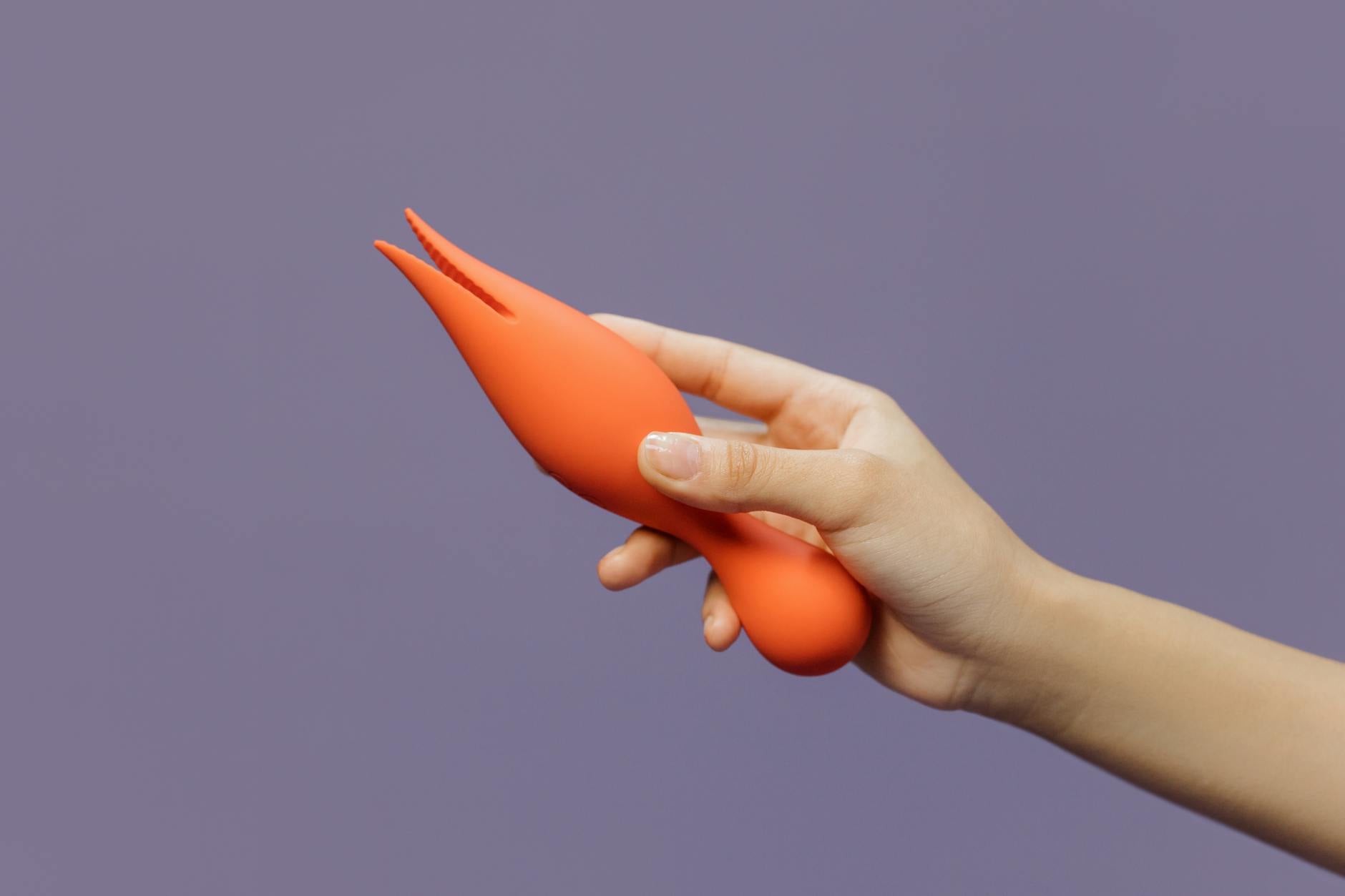
This is why a lemon clitoral vibrator, which uses air-suction technology, often works where traditional vibration has failed. It's not about intensity. It's about mechanism.
How suction stimulation feels different when sensation is low
Most people with reduced clitoral sensation describe traditional vibration as "buzzing in the distance." It's happening, but it's not quite there.
Suction feels different. It's a pressure wave. A pulse. Some people say it feels more like a person's mouth than like a buzzing toy, which matters because oral stimulation has its own neurological pathway. When traditional nerve pathways are quiet, suction can sometimes activate alternative routes.
With a lemon sucker like the Lem, you're not fighting numbness directly. You're working around it.
Starting with realistic expectations
I need to be honest: if your numbness is from nerve damage or medication, restored sensation might be partial. You might not get back to exactly what you felt before. But "partial" and "nothing" are two wildly different experiences.
Most people report that after a few weeks of consistent use with suction-based stimulation, sensation begins to creep back. Not explosively. Gradually. A tingling that wasn't there. A pressure that suddenly registers. A moment where you're aware of the feeling again instead of just watching it happen.
That's what we're aiming for. Not magical restoration, but real, measurable progress.
The setup that matters most
Three things before you start:
1. Get your baseline clear. Where is the numbness worst? Inner labia, outer labia, clitoral glans, clitoral hood? This matters because you'll want to rotate your focus across different areas and notice which ones wake up first.
2. Create space and time. Numbness makes arousal slower. Budget 20-30 minutes. Don't rush. Your nervous system is already compromised. Pressure to perform will make it worse.
3. Use water-based lubricant. Suction works best on slightly moist tissue. Lube also reduces friction that can irritate already-compromised tissue.
The actual technique for low sensation
Start at the lowest setting. With a lemon vibrator, this means pattern 1 or 2. You're not trying to force sensation. You're inviting it.
Focus on the clitoral hood first. The hood has more protective tissue around the nerve endings. Start there with 5-10 minutes of gentle suction. You're waking up the surrounding tissue before you approach the most sensitive area.
Move to the clitoral glans slowly. Once the hood feels warm and present, move to the glans with very light contact. Let the suction do the work. Don't press hard. Let it breathe.
Rotate pressure and rhythm. The point of suction is that you can vary it in ways vibration can't. Move from steady pressure to pulsing patterns. Let your body tell you which feels more like something.
Pay attention to internal sensation too. Clitoral stimulation is not just external. The clitoral body extends inside the vagina. You might feel more internally than externally while sensation is recovering.
The timing question: how long until you feel something?
This depends on why you're numb. If it's medication-related, progress can be faster once your system adjusts. If it's nerve damage, it's usually slower but still possible. If it's from years of desensitization from traditional vibrators, you might notice change within 2-3 weeks.
Here's what consistent users report: the first thing that comes back is awareness. You notice you can feel something happening, even if you can't feel much. That awareness is the nerve ending waking up. From there, sensation typically intensifies over weeks.
The key word is consistent. You need to use this regularly. Not obsessively, but not sporadically either. 3-4 times per week minimum.
Why suction doesn't cause additional numbness like traditional toys can
One of the most dangerous cycles with conventional vibration and low sensation is this: you turn up the intensity to feel something, the increased intensity temporarily numbs the area further, so next time you need it even higher. You're essentially training your tissue to feel less.
Suction breaks that cycle because it doesn't work that way mechanically. You can't really turn suction "up" into a numb zone. It either has gentle pressure or it doesn't. This means you're not at risk of the desensitization spiral that comes with traditional vibrators.
Combining lemon vibrators with body reconnection practices
Here's the thing about numbness that pure technique misses: it's often as much about psychological disconnection as physical. When you can't feel your body, your mind starts leaving it too.
That's why I recommend combining your lemon clitoral vibrator practice with simple body awareness. Before you use it, spend 2-3 minutes just touching the area without the toy. Notice temperature. Notice texture. Notice what you can feel, even if it's diminished. This rewires your brain to be present in the space.
After you use the vibrator, do the same thing. The contrast teaches your nervous system that sensation is possible.
When to see a doctor about your numbness
If numbness appeared suddenly or is progressing rapidly, get it checked. Sudden nerve changes can indicate something that needs medical attention. If it's from medication, your prescriber might have alternatives. If it's from hormonal shifts, there are options.
But for the majority of numbness cases—medication side effects that are stable, long-term desensitization, age-related changes—tools like lemon sexual toys designed with suction technology are genuinely useful. They're not a cure. They're a method that works with your body's actual neurology instead of against it.
The reality of reclaiming sensation
Lowered sensation is real. It matters. And you deserve to feel something again. A lemon clitoral vibrator won't necessarily restore you to baseline. But combined with patience, consistency, and realistic expectations, it often brings back more than you think is possible after you've adjusted to numbness as your new normal.
Your body is not permanently dormant. It's just waiting for the right kind of signal.
People also ask
Can a lemon clitoral vibrator fix medication-induced numbness?
Partially, and it depends on the medication. Some medications that reduce sensation (certain SSRIs, antihistamines, beta-blockers) affect it temporarily. If you're taking these consistently, suction-based stimulation can help work around the numbness while you explore alternatives with your prescriber. It won't undo the medication's effect, but it can make sensation feel present again by engaging different nerve pathways. Many people find that once their body starts responding to suction again, that neural pathway stays active even when they're not using the toy.
How is suction different from vibration for numb tissue?
Traditional vibrators rely on mechanical friction to stimulate surface nerves. When tissue is numb, those surface nerves aren't responding well, so vibration often feels distant or absent. Suction works by creating rhythmic pressure changes that stimulate deeper clitoral structures and can activate alternative neural pathways. It's less about friction and more about pressure waves, which is why people with reduced sensation often respond better to suction-based tools like the Lem.
Will using a lemon vibrator make my numbness worse?
No, not if you use it at low to medium intensity and avoid the desensitization cycle. The danger with traditional vibrators is that people turn up the intensity to compensate for numbness, which temporarily numbs the area further, creating a spiral. Suction doesn't escalate that way. You can't really "crank up" suction into dangerous territory. That makes it a safer choice for numbed tissue. That said, avoid high intensity initially. Let sensation return gradually.
How long before I notice improvement in sensation?
For most people, initial changes appear within 2-4 weeks of consistent use (3-4 times per week). The first sign is usually awareness—you notice you can feel something happening, even if it's subtle. From there, actual sensation intensity typically improves over 6-12 weeks. This varies based on why you're numb. Medication-related numbness often responds faster than nerve damage. Patience matters more than force.
Can reduced sensation come back permanently, or is it always a recovery I have to maintain?
It depends on the cause. If numbness is from medication, stopping the medication (with your doctor) might restore sensation permanently. If it's from desensitization from traditional vibrator use, your body usually stays responsive once you switch methods, though you might lose some sensitivity if you go back to high-intensity vibration. If it's from aging or hormonal shifts, sensation usually stabilizes at a new baseline once you've worked through the initial loss phase. Most people find that after 2-3 months of consistent suction-based stimulation, the restored sensation feels stable.
Is suction overstimulating if I already have reduced sensation?
Unlikely, especially at lower settings. The beauty of suction is that it's gentler than it sounds. It's creating a pressure wave, not aggressive friction. Start at the lowest pattern, spend time on the clitoral hood before moving to the glans, and give your nervous system time to recalibrate. If anything, suction is usually less likely to cause overstimulation than traditional vibrators, since you're not relying on intensity to create sensation.
Ready to reconnect?
Low sensation is frustrating, but it's not final. Whether your numbness is from medication, age, nerve changes, or years of traditional vibrator use, approaching it with the right tool and patience can bring sensation back. A lemon clitoral vibrator built on suction technology works differently because your tissue needs something different right now. Start gentle, stay consistent, and give your body permission to feel its way back.
If you want to explore further or have specific questions about how to support your pleasure during this phase, get in contact with our team. We're here to help you reclaim sensation and rebuild confidence in your body.