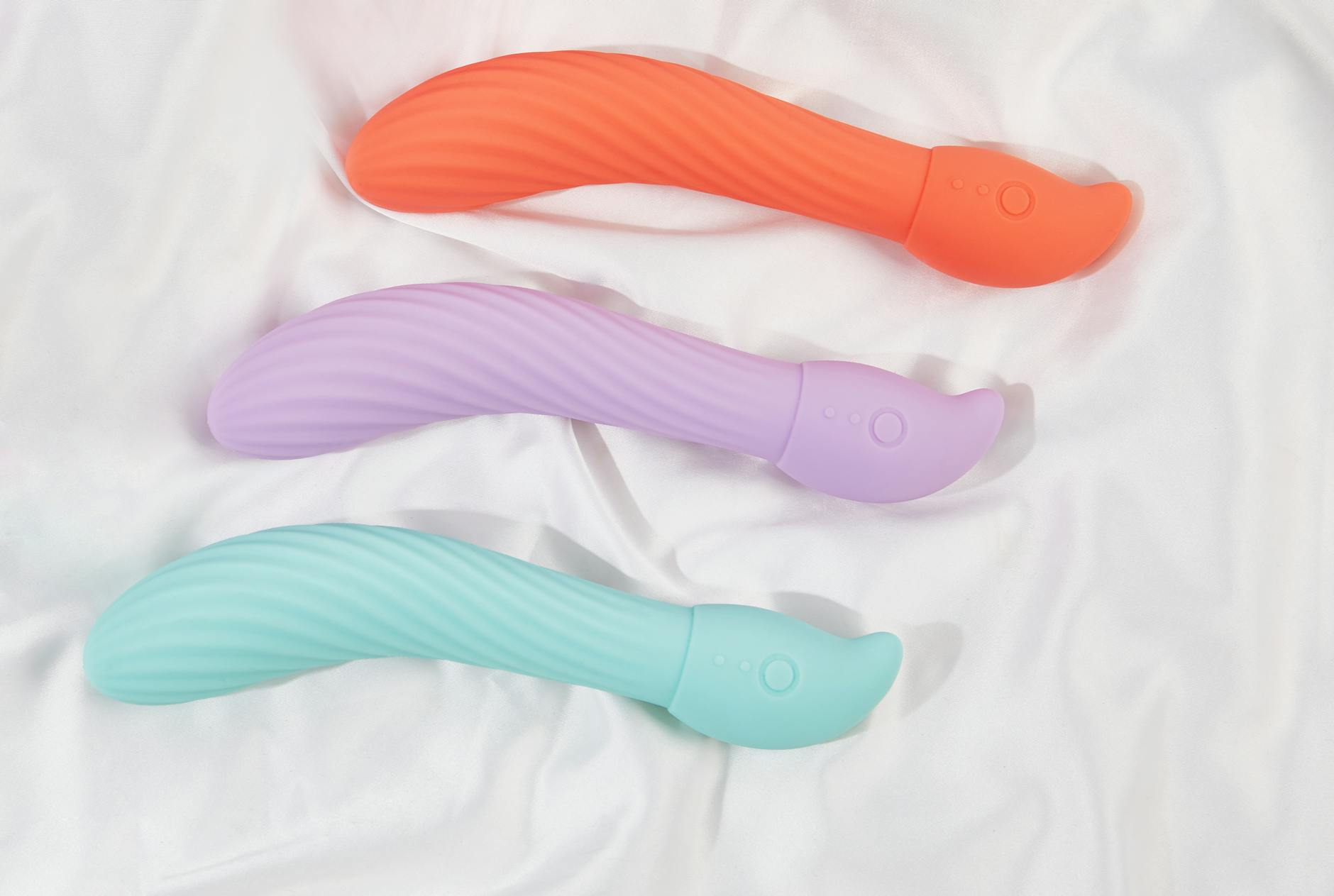
Here's what nobody tells you about sex after hysterectomy
Your clitoris is still there. Your capacity for orgasm is still there. The healing that's happening below doesn't touch either of those things. And yet, most post-op guides act like pleasure is something you'll worry about later, once you're "fixed." That's backwards. Pleasure is part of the healing.
Let me be clear about what a hysterectomy actually changes physiologically. The surgery removes your uterus, sometimes the cervix, sometimes the ovaries depending on why you had it done. What it doesn't remove: the clitoris, the vaginal opening, the nerve pathways that create sensation, or your brain's capacity for arousal and orgasm. Those systems are intact. Your body is the same, minus one organ.
What does change is sensation near the surgical site (which is inside), how your pelvis feels, and the hormonal landscape if your ovaries were removed. That's real, and it matters for how you approach pleasure again. But it's not a permanent end to sex. Not even close.
The timeline: when to start again
Most gynecologists give the standard clearance at six weeks for vaginal hysterectomy, eight to twelve for abdominal. That clearance means you can have penetrative sex. But clitoral stimulation is different, and many people can safely explore it earlier.
Here's how I think about it: penetration involves the internal healing site. Clitoral stimulation doesn't. A lemon vibrator, which works via suction rather than vibration, is particularly gentle on sensitive tissue because it's not a buzzing frequency against raw or healing skin. It's more like a gentle, rhythmic massage.
I recommend waiting at least four weeks before introducing any stimulation if you had an abdominal or vaginal hysterectomy. If you had only a laparoscopic procedure with minimal recovery, you might be ready earlier. Ask your surgeon specifically about clitoral stimulation. Most will say it's fine sooner than penetration because the risk of disrupting the internal incision is zero.
Why suction-based stimulation might be your best tool right now
There are three reasons a lemon clitoral vibrator works so well in early recovery:
1. No vibration frequency on sensitive skin. Traditional vibrators buzz at a set frequency. If you've got post-op nerve sensitivity, that constant buzz can feel overwhelming or even irritating. Suction is gentler. It's a pulse, not a vibration, which many people find less jarring.
2. Adjustable intensity without relearning your body. The Lem has multiple suction levels. You can start at level one and stay there for weeks if you want. It's not about finding the "right" vibrator for your "new" body. Your clitoris is the same. You're just exploring at a pace that feels safe.
3. Sealed contact without pressure. The way suction works, it creates a gentle seal around the clitoris without requiring you to press the toy against yourself. Your hands stay relaxed. Your pelvic floor doesn't have to brace. That matters when you're healing because tension slows recovery and can trigger pelvic pain.
Your first time back: what to expect
You're going to feel different. Not wrong. Different.
Your clitoral sensitivity might be heightened because of nerve regeneration, or muted because of swelling or nerve stunting. Either is normal post-surgery. The sensation in your vulva might feel unfamiliar. The way your orgasm builds might be slightly altered because the internal architecture has changed. That's the nervous system adjusting to a new landscape.
Here's what to do on your first attempt:
Wait until you actually feel desire. Not obligation. Not "I should test if things work." Actual arousal. That might take time. Pelvic surgery can temporarily dampen libido because your body is in recovery mode and stress hormones are high. That's not permanent. Give it space.
Start with a warm bath or shower. Increased blood flow to the area makes everything feel better and sensitivity comes back faster.
Begin at the lowest setting. On the Lem, that's level one or two. Don't aim for orgasm. Aim for ten minutes of exploring what sensation feels like right now, in this moment, in your healing body.
Stop if you feel sharp pain. Pressure, sensitivity, intensity? That's normal. Sharp pain or a sensation of pulling? Stop, rest, and wait another week or two.
Healing pelvic floor muscles while you're rediscovering pleasure
One thing people often miss: your pelvic floor muscles were disrupted by surgery. That means some of them are tight, some are weak, and the whole system is out of sync. Using a lemon vibrator while you're also retraining those muscles is actually really smart if you do it right.
Here's the priority: learn to relax first. Before you do any strengthening, your pelvic floor needs to remember how to let go. During your first few sessions with the Lem, focus on breathing slowly and deeply. Let your pelvic floor stay soft. Don't try to "grip" or strengthen anything. You're teaching your body that pleasure and relaxation go together.
Then, after a couple of weeks, you can add gentle contractions during stimulation if it feels good. Squeeze gently when you feel a wave of pleasure building. Release on the exhale. This retrains the muscle memory in a way that feels good, rather than forcing it through exercises that might feel punitive.
If pelvic pain shows up during or after stimulation, back off the Lem and consider talking to a pelvic floor physical therapist. They specialize in post-surgical recovery and can clear you for more intense play.
When hormones complicate the picture
If your ovaries were removed during your hysterectomy, you're now in surgical menopause. That's a big shift, and it affects how your body responds to stimulation. Estrogen drops immediately, not gradually over years like natural menopause. That means tissue thinning, lubrication changes, and sometimes hot flashes happening all at once.
For pleasure purposes, this means your clitoris might feel less responsive at first. That's not permanent. It's a hormonal adjustment that usually stabilizes over three to six months, or faster if you're on hormone replacement therapy. Many people find that starting HRT before reintroducing pleasure makes the experience feel less discouraging.
If you're navigating this, add extra lubrication during stimulation even if you don't think you need it. A little water-based lube on the Lem's opening makes the suction feel smoother and reduces any sensation of tugging. This is especially true if your clitoris feels tender.
The partner conversation
If you have a partner, tell them you're ready to explore pleasure again before you actually do it. Not during. Not as a surprise. Before. Here's what that conversation might sound like:
"I've been cleared by my surgeon, and I want to start masturbating again with a vibrator. I'm not asking for anything penetrative yet. I just want to reconnect with my body. I might feel weird or different. If something doesn't work, I might need to pause and try again later. I need you to be patient and not make this about you."
That's it. You've named the boundary, the timeline, and the ask. Partners often worry they've broken you or that they'll hurt you. Telling them directly that you're taking this on at your own pace, with your own tool, removes that anxiety.
When you're ready to include a partner later (which might be weeks or months), the same clarity applies. Go slow. Check in. If something triggers pain or flashback, stop without making it dramatic.
When to ask for more help
If six weeks post-op you're trying the Lem and experiencing sharp pain, contact your surgeon. If you're three months out and still have zero libido, talk to your OB or a therapist who specializes in sexual recovery after surgery. If penetration sounds genuinely terrifying rather than just unfamiliar, that's worth exploring with a sex therapist or pelvic floor PT.
There's also a possibility that stimulation triggers unexpected emotions. Surgery, even when it was necessary, can stir up grief, identity shifts, or trauma. That's not a reason to avoid pleasure. It's a reason to move slowly and maybe get some support while you're processing. Your body's healing is linked to your emotional recovery. They're not separate things.
Your clitoris doesn't care that you had surgery. Your lemon vibrator can't tell the difference. You're the one relearning what pleasure feels like in a changed body. That takes patience. That takes time. But it's absolutely possible, and often, the pleasure you find on the other side is deeper and more intentional than what came before.
People also ask
How long after hysterectomy can I use a vibrator?
Most gynecologists clear you for clitoral stimulation at four to six weeks post-op if you had a vaginal hysterectomy, and six to eight weeks for abdominal. A suction-based vibrator like the Lem is gentler than traditional vibrators and might feel safer earlier in recovery because it doesn't apply constant buzzing pressure. Always ask your specific surgeon before starting, since individual healing varies.
Will a hysterectomy affect my ability to have an orgasm?
No. Your clitoris and the nerve pathways that create orgasm are completely unaffected by hysterectomy. Some people report that orgasms feel slightly different because the internal structure of the pelvis has changed, but the capacity for pleasure and climax remains fully intact. Many people have their best orgasms after surgery once they're fully healed and past the recovery phase.
Is the Lem safe to use after pelvic surgery?
Yes. Because the Lem works via suction rather than vibration, it's often considered gentler on sensitive post-surgical tissue. It doesn't require you to press firmly against yourself, which reduces pelvic floor tension. Start at the lowest setting and go slowly. If you experience sharp pain, stop and wait longer before trying again. Pressure, sensitivity, and intensity are normal. Sharp or pulling pain is a sign to rest longer.
Can I use lubricant with a clitoral suction vibrator after surgery?
Absolutely. Water-based lubricant makes the suction feel smoother and is especially helpful if your clitoris feels tender or if you're in surgical menopause dealing with tissue dryness. Apply a small amount to the opening of the Lem before use. This reduces tugging and makes the sensation feel more comfortable during early recovery.
Will stimulation disrupt my internal surgical site?
No. The internal incision from a hysterectomy is nowhere near your clitoris. Clitoral stimulation with a vibrator like the Lem carries zero risk of disrupting internal healing because you're not applying pressure or motion anywhere near the surgical site. Penetration is different, which is why most doctors recommend waiting longer for that. Clitoral play is safe as soon as your surgeon clears you for any sexual activity.
What if I feel nothing or very little sensation after surgery?
That's common in early recovery. Post-surgical nerve sensitivity can be muted or heightened as the nervous system adjusts. Give it time. Sensation usually normalizes over three to six months. If numbness or reduced sensation persists beyond that point, mention it to your OB. In rare cases, it warrants further evaluation. Starting with the Lem at low settings gives your nervous system time to adjust without overwhelming the recovering tissue.
Healing and pleasure aren't mutually exclusive. They work together. Using a tool like the Lem thoughtfully during your recovery isn't rushing back to normal. It's honoring your body's capacity for joy while you're healing. That's radical self-care.
If you're navigating recovery and have specific questions about your healing timeline, reach out to our team. We're here to support you.