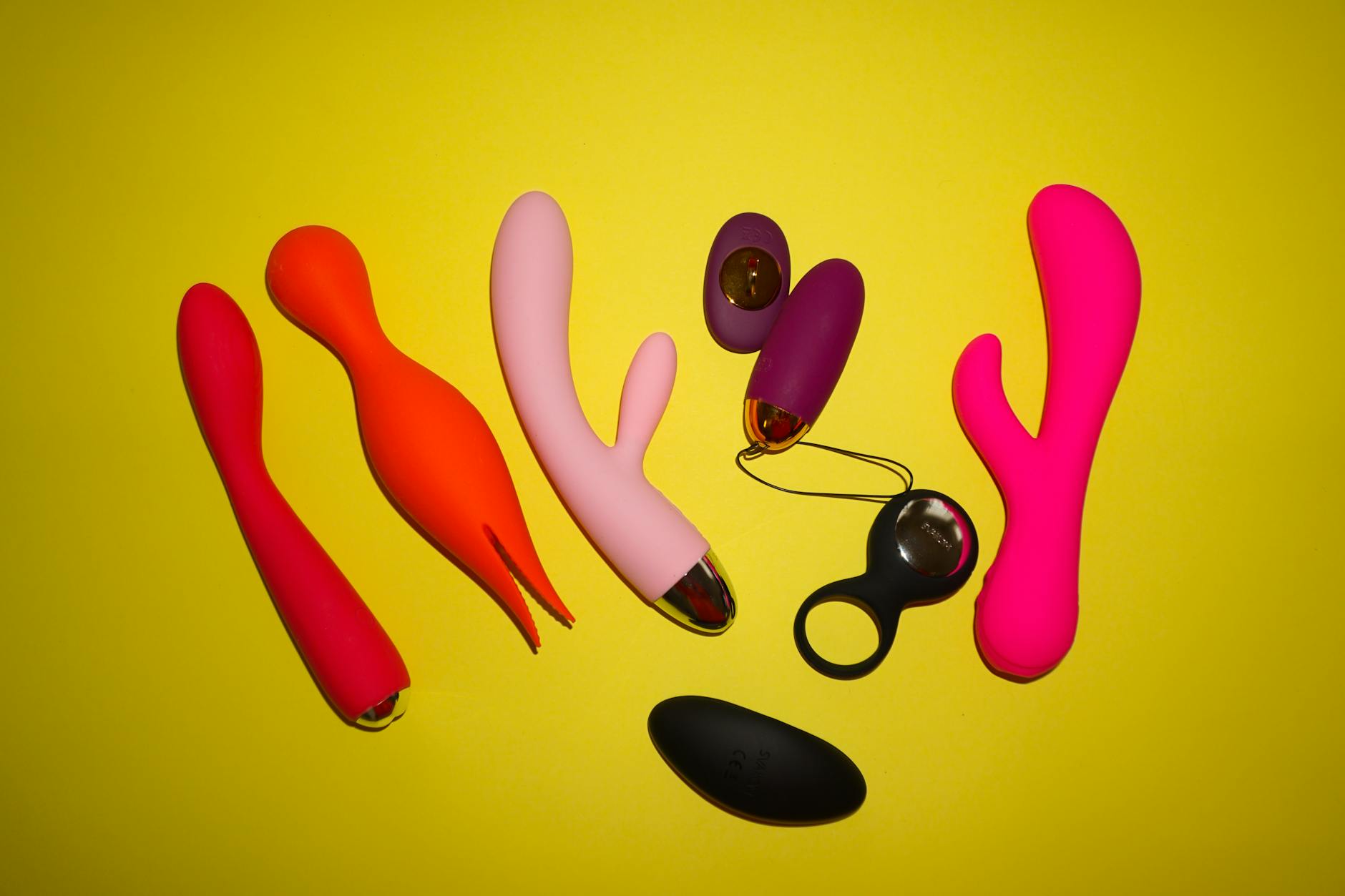
Let's be real about pregnancy and desire
Pregnancy doesn't turn desire off like a switch. It redirects it, mutes it, cranks it sideways, sometimes makes it vanish for weeks then roars back without warning. You might feel wildly attracted to your partner on Tuesday and completely untouched on Wednesday. Both are normal. Neither means anything is broken.
Hormone surges, a shifting center of gravity, fatigue that feels like carrying a boulder in your chest, and the simple fact that your body is not entirely your own anymore. These things fundamentally change what pleasure looks like during pregnancy.
Here's what I want you to know: a lemon vibrator doesn't fix pregnancy. But it absolutely can meet you in the middle of these shifts. Not as a replacement for partnered intimacy, but as a way to stay connected to your own sensation when everything feels unfamiliar.
What actually changes in the first trimester
In the first twelve weeks, everything feels uncertain. Nausea is real. Breast tenderness can make touch feel painful instead of pleasurable. Fatigue hits like nothing you've experienced. Your baseline desire might tank completely because your body is literally building a human and screaming for rest.
Many people I work with report that their libido vanishes in the first trimester entirely. The anxiety of early pregnancy, the fatigue, the nausea. Your brain isn't available for pleasure because it's running at maximum capacity just managing symptoms.
If you want to maintain any connection to your own arousal during this time, touch needs to be on your terms. This is where a tool like the Lem works differently than partnered sex. You control the pace, the pressure, the timing. You can stop the instant something doesn't feel right. That agency matters when everything else in your body feels like it's being decided for you.
Second trimester awakening
For many people, something shifts around week fourteen. The nausea lifts. The fatigue becomes less all-consuming. And then something unexpected happens. Desire can come roaring back. Blood flow to the pelvic region increases. Hormones settle into a new normal that can feel surprisingly sensual.
This is when a clitoral vibrator becomes genuinely interesting. Your vulva is more sensitive right now. Arousal builds faster. Some people report experiencing the strongest orgasms of their lives in the second trimester. That's not metaphor. It's blood flow.
But here's the adjustment: your body is also changing shape. Your center of gravity shifts. What felt comfortable at six weeks might feel awkward at twenty-four weeks. The lemon vibrator is smaller and lighter than many toys, which means less pressure on your belly and easier positioning on your side, which is where most pregnant people end up anyway.
Third trimester reality
As you move into the final three months, the physical reality becomes harder to ignore. Your belly is heavy. Certain positions stop working. You might experience round ligament pain, which is sharp and localized and doesn't play well with vigorous movement. Fatigue often returns, sometimes stronger than the first trimester.
And yet. Some people find that this is when solo pleasure becomes most appealing. Partnered sex can feel like logistics. Penetration might feel uncomfortable. But clitoral stimulation, gentle and on your own timeline, can feel deeply nourishing without the physical strain of partnered activity.
A lemon clitoral vibrator is ideal here because it's designed for external stimulation. No insertion required. No pressure on your belly. You can use it lying on your side, which supports your back and keeps weight off the round ligaments. The Lem's suction mechanism means you're not relying on friction, which makes it gentler and less likely to trigger cramping or round ligament pain.
The sensation piece that nobody explains
Your vulva during pregnancy is swollen. The tissue is engorged with blood. This means sensitivity changes. What felt perfect last year might feel too intense now. What felt like nothing before might be exquisite.
This is actually why the Lem works particularly well during pregnancy. The suction technology meets engorged tissue differently than vibration alone. It's a gentler stimulation that doesn't rely on aggressive vibration patterns. You can start at the lowest setting and build from there, reading your body in real time.
The other critical thing: pregnancy-related vaginal dryness is real, especially in the third trimester despite increased blood flow to the area. A water-based lube designed for sensitive skin becomes your friend. Use it. There's no prize for skipping it.
When to pause and when to push through
Three signals that should pause you entirely. Sharp pain in the ligaments supporting your uterus. Contractions that feel like your belly is tightening rhythmically. Spotting or bleeding after sexual activity.
None of these mean you've harmed the pregnancy, but they mean you need to check in with your provider before continuing.
Fatigue, reduced desire, and discomfort with penetration? Those are signals to shift your approach, not to stop. A vibrator designed for clitoral stimulation alone means you're not adding pressure anywhere it doesn't belong.
Many people also worry that orgasms will trigger contractions. Real talk: orgasms cause uterine contractions. That's what they are. But Braxton-Hicks contractions (the practice contractions your uterus does throughout pregnancy) are normal and not labor. If you're having orgasms and then mild contractions that subside within minutes, that's fine. If the contractions become rhythmic and painful and don't stop, that's different. Know the difference.
The emotional piece
Pregnancy can make your body feel like it's not yours anymore. It's been claimed. Invaded. Used. This is true even in wanted pregnancies with partners you trust. Your body is doing something extraordinary and also something that can feel utterly alienating.
Reconnecting with your own pleasure, on your own terms, is a form of reclaiming agency. A lemon vibrator in this context isn't about achieving orgasm. It's about remembering that your body generates sensation for you, not just for incubation. It's about maintaining continuity with yourself during one of the most discontinuous experiences a body can have.
Talk to your partner about this if you have one. Not to justify it. To contextualize it. "I need to remember what my body feels like to me" is different from "I'm unsatisfied with you." Confusion between those two things derails many couples during pregnancy.
Communication that actually helps
If you're partnered, the most useful conversation isn't about sex. It's about desire and touch separately. Your partner might want to maintain sexual frequency. You might want physical affection without it leading anywhere. These aren't competing needs. They're different needs that can coexist.
One person might feel rejected. One person might feel pressured. A clitoral vibrator can be part of the solution if it's framed right. Not as a replacement for partnered intimacy, but as a tool that lets you maintain your own pleasure independent of what your partner wants or needs.
This also means that if you want partnered sex, you can use the lemon vibrator with a partner. Clitoral stimulation during pregnancy can make everything feel better and can help you reach orgasm more easily, which for many people means partnered sex becomes accessible again.
The postpartum reality check
Using a vibrator during pregnancy is useful. But I want to be clear: your most useful pregnancy pleasure tool is probably your hand and time. Vibrators are tools. Tools are helpful. But they're not essential.
What matters more is that you're checking in with your body. That you're maintaining some connection to your own sensation during a time when everything is about accommodating someone else. That you're communicating with your partner if you have one. That you're not abandoning yourself.
Postpartum, when you're cleared by your provider (usually four to six weeks, sometimes longer), a lemon vibrator becomes a genuinely valuable tool for rediscovering sensation after birth changes the landscape again. But that's a different article.
Right now, during pregnancy, the invitation is simpler: you deserve to feel good in your body, even when your body is doing something strange. Tools like a lemon clitoral vibrator can support that. They're not required. But they're available if you want them.
People also ask
Is it safe to use a vibrator during pregnancy?
Yes. Vibrators are safe during pregnancy as long as you're not inserting anything that could introduce infection and you're avoiding direct pressure on your abdomen. External clitoral vibrators like the Lem are designed for the vulva and don't pose any risk to the pregnancy itself. Your uterus is well-protected behind your pelvic bones. That said, check with your healthcare provider if you have any pregnancy complications or concerns. Every pregnancy is different.
Can orgasms cause miscarriage?
No. Orgasms do not cause miscarriage in a healthy pregnancy. They cause uterine contractions, but those are normal and not the same as labor contractions. If you've had bleeding or are at risk for complications, ask your provider specifically. But in a straightforward pregnancy, orgasms are fine.
What if clitoral stimulation during pregnancy feels uncomfortable?
Stop. Your preferences matter. Some people find that their vulva is too sensitive during pregnancy for direct vibration. Others find that it needs a ton of lube and very gentle pressure. If the Lem or any vibrator doesn't feel good, you don't need it. Your hand, your partner's touch, or nothing at all are all valid choices. The point is what works for your body right now.
How do I position myself comfortably during pregnancy to use a vibrator?
Side-lying is usually the winner. Pregnancy pillow under your belly, one between your knees, and you're supported. This keeps weight off your round ligaments and gives you easy access without pressure on your abdomen. Some people also use a reclined position with lots of pillows supporting their back and head. Experiment. Your comfort matters more than any specific position.
Does using a vibrator during pregnancy affect bonding with my partner?
Only if you're both confused about what it means. Using a vibrator is not a statement about your partner. It's a statement about your body and your need to maintain connection to your own sensation. Many couples find that maintaining solo pleasure during pregnancy actually makes partnered intimacy easier, not harder. Talk about it directly instead of letting confusion build.
What if my partner feels threatened by me using a vibrator?
That's worth a real conversation. If your partner is threatened by your independent pleasure, that's a relationship thing, not a vibrator thing. It won't resolve by giving up the vibrator. It resolves by your partner understanding that your pleasure is yours. You deserve to feel good in your body. That's not negotiable, even during pregnancy. If your partner can't support that, that's information you need.