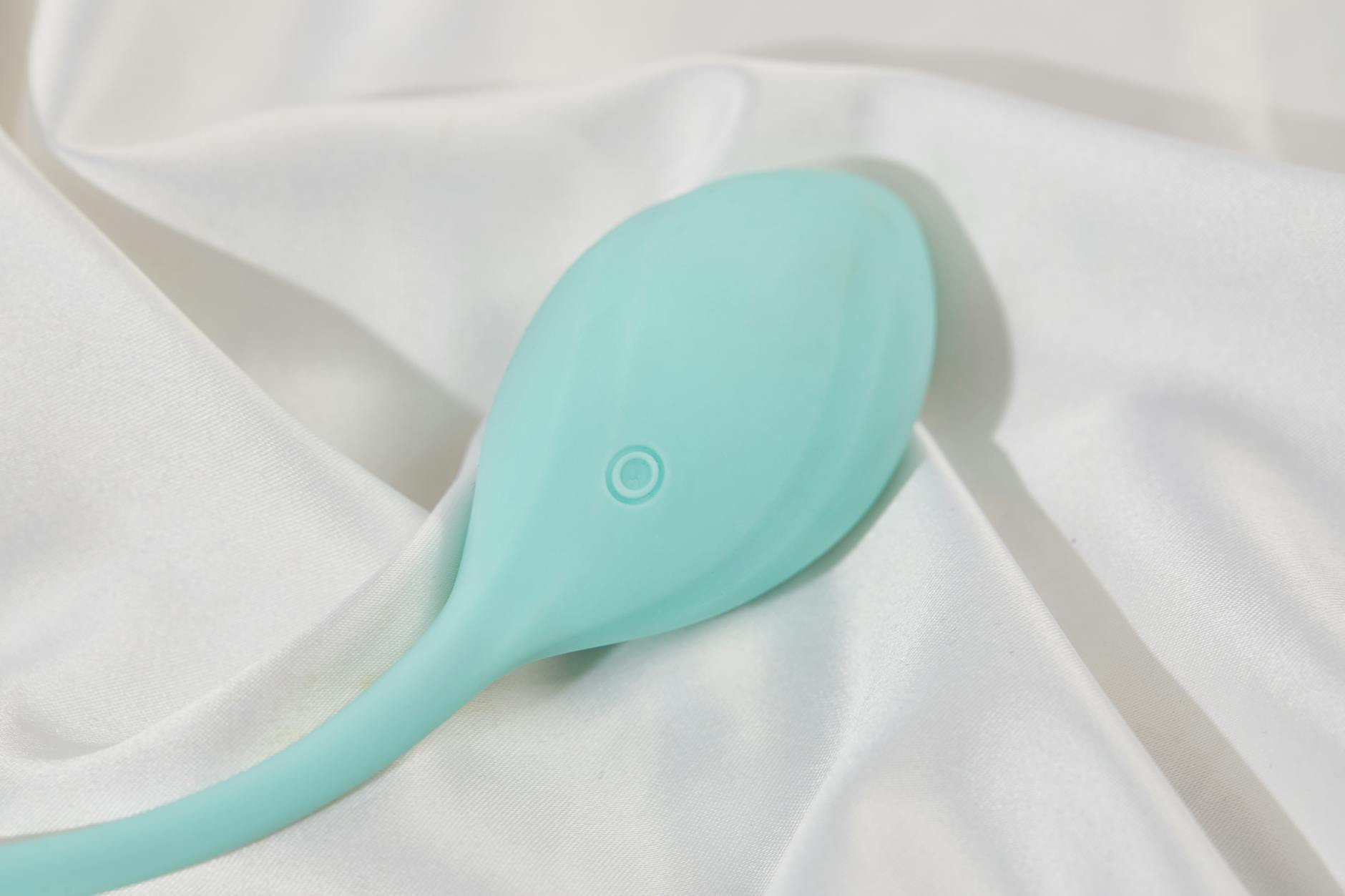
Let's start with what actually changes when you bring a lemon vibrator into a committed relationship
Honestly? Everything. And nothing. The toy itself is just the prop. What matters is what it signals: that you're both willing to say out loud that pleasure is worth improving. That you're not settling. That this relationship still has room to explore.
That's the real shift. And it tends to make orgasms better not because the lemon clitoral vibrator is magic, but because you've both admitted that ordinary wasn't quite working anymore.
Why couples avoid the conversation in the first place
Two things happen in long-term relationships. First, you develop a rhythm. Sex becomes routine because you know what works. Second, you stop talking about it because the rhythm feels stable, and changing anything feels risky. Suggesting a toy can feel like you're saying "what we have isn't enough," which, translated through years of partnership, sounds like "you're not enough."
Neither person wants to send that message. So the toy stays imaginary.
The trick is reframing what introducing a lemon vibrator actually says. It's not a criticism. It's an upgrade. You wouldn't drive the same car forever if a better model existed. Same logic applies here.
How to actually bring it up (without creating defensiveness)
Timing matters more than the words themselves. Don't have this conversation during sex, right after sex, or when either of you is stressed. Pick a neutral moment. Maybe a walk. Maybe sitting on the couch during a show. Somewhere low-stakes.
Start with curiosity about your partner, not about the toy. "I've been thinking about our sex life, and I want it to feel better for both of us. What would that look like for you?" Let them answer. Actually listen. Don't immediately jump to solutions.
Then, if it feels natural: "I've been reading about lemon vibrators, and honestly, the design interests me. Would you be open to exploring that together?"
Key things you're doing here: you're naming the desire to improve (shared goal), you're asking for their input (partnership), and you're framing it as exploration (adventure, not desperation).
If they say no, that's information. Ask why. "Does the idea feel threatening?" "Are you worried it means something about us?" "Would you be more open if we approached it differently?" Listen to the actual concern, not the surface rejection.
The integration phase (where most couples fail)
You've had the talk. You've ordered a lemon vibrator or already have one. Now what?
Don't expect it to work perfectly the first time. The first few times are usually awkward. One person is nervous about performance. The other is nervous about whether they're doing it right. There's too much thinking and not enough feeling.
Here's what helps: set expectations low. "We're just trying this. No pressure for anything special to happen. We're learning together." Make that real. If the first attempt is terrible or feels weird, that's completely normal. You're relearning how to be vulnerable together.
Start with the lemon vibrator as foreplay, not as the main event. Partner stimulation, toy stimulation, some combination. Let your body get used to the new sensation without it being the entire performance you're judging.
And here's the thing people don't talk about: you might discover that one of you loves the toy and the other finds it less useful. That's fine. It doesn't mean the relationship is in trouble. Some people's bodies respond better to certain types of stimulation. A good lemon clitoral vibrator creates suction and pulsation that works phenomenally for some nervous systems and feels too intense for others. Learning that about yourselves is valuable information, not a failure.
What changes when you stick with it
Couples who integrate a toy and actually communicate about what's working report three consistent shifts.
First, the conversation habit develops. You've already broken the seal on "I want different things." Once that's normal, other conversations become easier. Suddenly you're discussing not just pleasure but what you each need emotionally, how you're feeling about the relationship, what you're worried about. The toy was the gateway to actual intimacy.
Second, the pressure drops. When there's an external tool doing some of the work, the expectation that one partner's body has to deliver 100% of the orgasm vanishes. You're collaborating instead of performing. Men often report that when a partner uses a lemon vibrator, they feel less pressure to last longer or maintain an erection. Women often report that they relax enough to actually orgasm, knowing they're not dependent on any one thing.
Third, the variety helps. After years of the same rhythm, adding suction-based stimulation from something like a lemon sucker creates an entirely new sensation. Your brain lights up. The novelty itself, separate from the physical sensation, can reset your desire.
The specific ways to use it together
Honestly, you already know how to use a toy. But here are the angles that couples specifically tell me change things.
During penetration: Some partners use the lemon vibrator on the vulva while having penetrative sex. This changes the stimulation profile entirely. You're getting two different sensations at once, which can lead to deeper or different orgasms. Start slow. Some people find this overwhelming. Others find it transcendent. Communication matters.
For foreplay depth: Use it during extended foreplay and don't let it rush to the finish. Spend 20-30 minutes on arousal, with the toy as one tool among many. This actually trains your body's nervous system to build pleasure longer, which changes orgasm intensity independent of the toy.
As a solo warmup: One partner uses a lemon vibrator for solo pleasure earlier in the day or while the other is present but not involved. This removes performance anxiety entirely. You're just getting yourself ready. The partner who's watching gets to see pleasure without pressure. Then you come together.
For mutual pleasure: Both partners can use toys. You're not one person being served. You're both receiving. That equity changes the dynamic in ways long-term couples often desperately need.
Read the guide on how to use a lemon vibrator with your partner for more integrated techniques.
When orgasms actually improve (and why)
They don't improve because the toy is better at stimulation. They improve because you're having the conversation that leads to trying the toy. You're acknowledging that pleasure matters. You're being vulnerable about wanting more. You're taking action together.
That psychological shift is enormous. Orgasms are weird. They require relaxation, focus, confidence, safety, and desire all at the same time. Change any one variable and the whole experience changes. A lemon vibrator alone won't fix a disconnected partnership. But a committed couple willing to use a toy as an excuse to reconnect? That changes everything.
Many couples find that after three to six months of integrating a toy, they don't need it every time. But they want it sometimes. And that "wanting to" matters more than the frequency.
Common friction points (and how to navigate them)
Comparison anxiety: One partner worries the other prefers the toy to them. Address this directly. "The toy does one thing. You do everything else. They're not competitors." If the anxiety doesn't ease, that's worth exploring with a therapist, because it usually points to deeper insecurity.
Cleanup and maintenance: A lemon vibrator needs charging and cleaning. If one person always handles this, resentment builds. Share the responsibility.
Mismatched desire: One partner wants to use it constantly. The other wants it rarely. Talk about frequency like you'd talk about any preference. "Once a week feels good for me. What feels right for you?" Compromise. You don't have to do everything the same way.
Performance pressure: The opposite of the earlier point. One partner feels pressured to orgasm with the toy, like they're supposed to be more satisfied now. You're not. The goal is pleasure, not a specific outcome. If no orgasm happens, that's still success if you both felt close.
For deeper conversation strategies, consider reviewing how other couples have navigated foreplay and extended arousal with a partner.
The deeper truth about toys and relationships
Introducing a lemon vibrator doesn't save a relationship. But it does reveal what's possible when two people prioritize pleasure together. It's a small act of saying "I want this to be good. For both of us. Forever."
That's the orgasm you're actually after. The physical sensation is nice. But the real shift is knowing that your partner is willing to keep exploring, keep trying, keep showing up to pleasure even after years.
That's what makes orgasms better. Not the toy. The commitment.
People also ask
Can using a lemon vibrator make my partner feel insecure?
It can if you introduce it wrong. Frame it as an upgrade to what you already have together, not a replacement for them. Say "I want us to feel this" not "I need this because you're not enough." If they're insecure, they'll hear criticism even if you don't intend it. So be extra clear: "You turn me on. This toy is something we can explore together to feel even closer." If insecurity persists, that's worth a conversation about what's really underneath it.
How often should we use a lemon vibrator if we're in a committed relationship?
There's no right frequency. Some couples use it once a month. Some use it weekly. Some use it for six weeks and then take a break. The key is that you're both agreeing to it. If you're using it and your partner is tolerating it, that's misalignment. Check in regularly: "Is this working for you? Do you want to use it more or less?" Desire changes. Your answer can too.
Does using a toy mean our sex life was failing before?
No. It means you're choosing to evolve. Long-term relationships have seasons. The fact that you're choosing to add something new shows you care about pleasure, about each other, about staying engaged. That's not a sign of failure. That's maturity.
What if one of us loves the toy and the other doesn't really feel it?
Perfectly normal. Bodies are different. Nervous systems respond to different stimulation. A lemon clitoral vibrator might be amazing for one partner and feel too intense or not quite right for the other. That doesn't mean anything is broken. It means you've learned something useful about each other. You can still use it for the person who loves it, and that person can reciprocate with something else that works for their partner.
Should we hide the toy or keep it visible?
That depends on your household and privacy needs. If you live alone or with just your partner, you might keep it visible (some couples like that normalcy). If you have kids, you'll want secure storage. There's no shame either way. Make the choice that feels comfortable for your actual life, not the life you think you should have.
Is it weird to use a lemon vibrator every time we have sex?
No. If you both enjoy it and you're both engaged, using it regularly is fine. Some couples find it becomes part of their rhythm. Others use it situationally, like when one partner needs extra stimulation. There's no rule that says you have to vary it. Do what actually feels good.
The thing about better orgasms
They're not really about the toy. They're about permission. Permission to want more. Permission to ask for what you need. Permission to be a little bit vulnerable with the one person you've been vulnerable with for years. A lemon vibrator just gives you a concrete way to practice that permission. Everything after that is just you and your partner, showing up to pleasure together.
If you want to deepen the conversation around intimacy in your relationship, consider reaching out to discuss how couples navigate pleasure and connection. You deserve that exploration.
We're here to help.