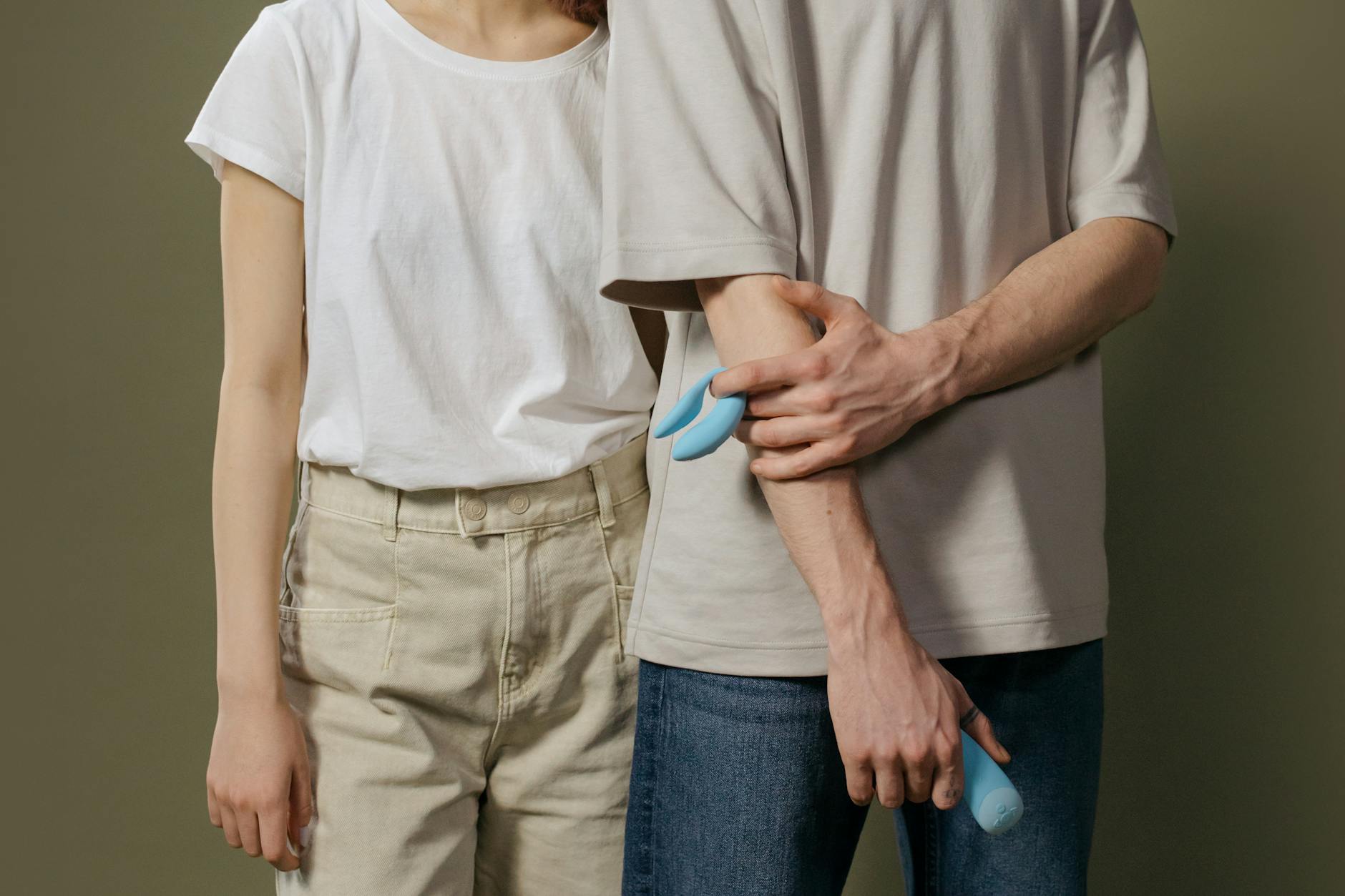
How to Use a Lemon Vibrator for Better Orgasms Over 50 Without Sensitivity Changes
Let's be real. Everything changes after 50, but not in the way you've been told. Orgasms don't get weaker. Your body doesn't shut down. What actually happens is that your nervous system recalibrates. Your tissues respond differently. Your mind shows up differently. And honestly, that's when a lemon clitoral vibrator becomes one of your best tools.
The trick is understanding what's shifted so you can work with your body instead of against it.
Why a lemon vibrator works better after 50 than traditional vibration
First, the anatomy piece. After 50, your clitoris hasn't lost sensation. What's changed is the tissue around it. Your skin thins slightly. Nerve endings are still there, still responsive, but the approach matters more. This is why suction stimulation wins.
A lemon vibrator doesn't vibrate directly on delicate tissue. It creates a gentle pulse and lift sensation that stimulates the clitoral nerves without the grinding friction that can feel raw or uncomfortable. Think of it as the difference between tapping someone on the shoulder versus stroking it. Same hand, completely different effect.
The clitoral bulb is also partially internal. After 50, as estrogen drops, that internal tissue can feel more sensitive to direct pressure. Suction reaches those deeper structures without the blunt force. Many women I work with report their most powerful orgasms happened after they switched to a lemon sucker at this stage.
Start with pattern, not power
Here's what most people get wrong. They assume that if a toy doesn't feel intense on setting one, they need to jump to settings three or four. Actually, the opposite works better.
Start on the lowest setting. Lem vibrators have a gentle pulse mode that feels almost like a heartbeat. Spend 10 to 15 minutes there. Your nervous system needs to recognize what's happening. Arousal takes longer to build after 50. That's not a problem. It's an opportunity to get more out of the experience.
Once you're genuinely aroused (you'll know because your body will feel warm and open), then gradually move to medium settings. Don't skip steps. Each setting change should feel like a natural upgrade, not a jump.
Lubrication is not optional
I say this clearly because I've seen too many women skip this step and then blame the toy. Your tissues need lubrication after 50. This isn't weakness. It's biology. Estrogen supports natural moisture. When it drops, supplementing with a quality water-based lubricant makes the entire experience exponentially better.
Apply lube generously. More than you think you need. It reduces friction, allows the lemon vibrator to glide smoothly, and actually increases sensation because your nervous system isn't focused on discomfort. Use a water-based lube. Silicone can degrade silicone toys, and you want this to last.
The warmup matters more than the toy
Five minutes of direct stimulation at this stage will exhaust you. Twenty minutes of foreplay followed by ten minutes of focused clitoral pleasure will transform you. Build arousal gradually. Use your hands first. Explore what feels good without the toy. When you bring in the lemon vibrator, your body's already primed.
If you're with a partner, this is valuable time for them to touch you, talk to you, make you feel desired. If you're solo, this is time to sink into fantasy or sensation without rushing. Arousal is the foundation. The toy amplifies what's already there.
How to protect clitoral sensitivity over time
One question I hear often: will using a lemon vibrator numb my sensitivity? The honest answer is no, not with the right approach. What can happen is overuse on high settings, which trains your nervous system to need that intensity. Here's how to avoid it.
Use your toy two to four times per week, not daily. Vary the patterns and settings. Don't stay on the highest pulse mode for more than a few minutes at a time. Think of it like physical training. Consistent, varied practice builds strength. Repetitive overload causes burnout.
Many women also find that taking breaks from their toy completely for a week or two actually resets their sensitivity. Your nervous system needs novelty. If you use the lemon vibrator the same way every single time, it stops feeling as intense. Changing the pattern, duration, or time of day creates newness your body responds to.
Why confidence matters as much as technique
This is the thing nobody talks about. After 50, you often carry decades of messaging that your sexuality is waning. Magazines stop showing you. Media forgets you exist. Your partner might be navigating their own aging anxieties. All of that noise gets into the bedroom with you.
Using a lemon clitoral vibrator is not just a physical act. It's a statement that your pleasure matters. That your body is worth exploring. That you deserve sensation and intensity. The orgasms get better partly because you're giving yourself permission in a way you might not have at 25.
If you feel self-conscious about using a toy, name it. If it's with a partner, talk about it directly. "I want to use this because it helps me feel better orgasms. This isn't about you. This is about me taking care of myself." That's empowering for both of you.
Solo exploration versus partnered use
Many women find that learning their body solo first makes partnered exploration easier. Spend a few sessions alone with your lemon vibrator. Discover what feels good. Notice how your body responds at different times of day, in different moods. This information is gold.
When you bring that knowledge to a partner, you can guide them. You can say, "I like this pattern better," or "Give me five more minutes on this before we move on." You're not hoping they figure you out. You already know.
If you're using a lemon vibrator with a partner, communication is everything. Some couples find it enhances foreplay. Some use it as part of penetrative sex. Some prefer solo pleasure with a partner present. There's no one right way. Experiment and talk about what you're experiencing.
Addressing the myths about aging and pleasure
Your sensitivity hasn't declined. Your hormones have shifted. Your socialization tells you to shrink. Your tissues respond to different stimulation. None of that means your capacity for pleasure is gone.
I've worked with hundreds of women over 50. The ones who have the best sex lives are the ones who accepted that their bodies changed and learned what works now, not what worked at 35. A lemon vibrator is a tool for that exploration. It's not a workaround for aging. It's a smarter way to experience pleasure.
Common setups that actually work
Three setups I recommend most often to women in this age group.
First, use your lemon vibrator on the two lowest patterns for 15 to 20 minutes, focusing on slow exploration rather than racing toward orgasm. Many women find this creates more full-body pleasure and deeper orgasms.
Second, use it in combination with penetration. Apply lube, use your clitoral vibrator on medium settings while experiencing penetration (with a partner or toy). The combination creates a completely different sensation that many women find more intense than either one alone.
Third, alternate patterns and pressure. Spend three minutes on pattern one, then switch to pattern two. This rhythm keeps your nervous system engaged and prevents numbness.
When to seek help from a specialist
If you experience pain rather than discomfort, talk to your doctor or a menopause-trained gynecologist. Genitourinary syndrome of menopause (GSM) is real and treatable. If orgasm feels impossible despite using a lemon vibrator with proper technique and lubrication, that's also worth mentioning to a specialist. Sometimes it's hormonal. Sometimes it's medication-related. Sometimes it's just information you need.
Your pleasure after 50 is not a medical emergency. It's part of your ongoing health. Specialists who understand sexual function in midlife can be genuinely helpful.
The bigger picture
Using a lemon clitoral vibrator over 50 is not about fighting aging. It's about learning your body at a new stage. Your nervous system is wiser. Your time is more precious. Your orgasms can be more focused and satisfying because you're more intentional.
If you've never used a <a href="/blog/lemon-vibrator-for-beginners-first-time-user-guide">lemon vibrator before, start with the basics and go slow</a>. If you're rebuilding desire after a life change, a <a href="/blog/how-to-use-lemon-vibrator-when-rebuilding-desire-after-breakup">thoughtful approach to pleasure can help you reconnect with yourself</a>. And if you're navigating sensitivity or physical changes, remember that <a href="/blog/how-to-use-lemon-vibrator-with-sensitive-skin-without-discomfort">the right toy and technique make all the difference</a>.
Your pleasure matters at every age. The tools you use to access it just shift. And honestly, at 50 and beyond, you know yourself well enough to actually enjoy it.
People also ask
Can a lemon vibrator cause nerve damage or numbness in mature women?
No. Lemon vibrators use suction stimulation, not harsh vibration, so they're gentler on delicate tissue. Numbness comes from overuse on the highest settings over extended periods, not from the tool itself. Using your clitoral vibrator two to four times weekly on varied patterns actually protects sensitivity. If you notice numbness, take a week off and vary your settings when you return.
Is it normal for orgasms to feel different after 50 even with a lemon vibrator?
Completely. Your body's response changes with hormonal shifts. Orgasms might feel more concentrated in one area rather than full-body. They might take longer to build. They might feel shorter or longer depending on the day. None of this is wrong. It's just different. Many women find these later orgasms are actually more intense because they're more focused.
How much lubrication should I use with a lemon clitoral vibrator after 50?
More than you think. Your natural lubrication decreases after 50, so supplementing is essential. Apply a generous amount before you start and reapply as needed. You want zero friction. If it ever feels sticky or uncomfortable, add a bit more lube and keep going. Water-based lube is best because it won't degrade silicone toys.
Can I use a lemon vibrator if I'm on hormone replacement therapy?
Absolutely. HRT can actually improve tissue quality and natural lubrication, which might make stimulation feel better. However, some hormones can affect sensation. If you're on HRT and your pleasure response feels different, give yourself time to adjust. Your body might respond to different patterns or settings than before.
What's the difference between a lemon vibrator and other toys for women over 50?
Suction stimulation is gentler and more targeted than traditional vibration. It doesn't rely on direct friction, so it's better for thinner, more sensitive tissue. Lemon vibrators also typically have a range of patterns rather than just "on" and "off," which allows you to find exactly what your body needs. For many women over 50, this precision makes them easier and more pleasurable to use.
How do I know if a lemon vibrator is right for me at this stage of my life?
If you're experiencing changes in arousal, sensitivity, or orgasm intensity after 50, a lemon clitoral vibrator is worth trying. If you're looking to deepen pleasure with a partner or explore more fully solo, it's a solid tool. The only way to know if it works for you is to try it with patience and realistic expectations. Give yourself at least three to five sessions before deciding.
This article draws on clinical experience and evidence-based approaches to sexual health in midlife. For personalized guidance on pleasure and intimacy after 50, consult a menopause-trained healthcare provider or sex-positive therapist.