The friction problem nobody talks about
Let's be honest: most vibrators are built for the body everyone assumes you have. Fast oscillation, direct contact, aggressive stimulation. If your tissue is naturally thin, easily irritated, or sensitive to friction (whether from hormonal shifts, medications, recovery, or just how you're built), traditional vibration often feels raw instead of good.
You're not broken. The toy is the wrong shape for your body.
Why tissue texture matters for pleasure
Your clitoris has roughly 8,000 nerve endings packed into a small space. When tissue is thick and resilient, aggressive vibration stimulates those nerves evenly. When tissue is thin or sensitive, the same vibration can feel grinding and uncomfortable instead of pleasurable.
This happens more often than you'd think. Hormonal shifts (whether menopause, birth control, or natural variation), medications like SSRIs, pelvic floor tension, or just your baseline anatomy can all mean your tissue is more delicate. That's not a limitation. It's information your body is giving you about what kind of stimulation works.
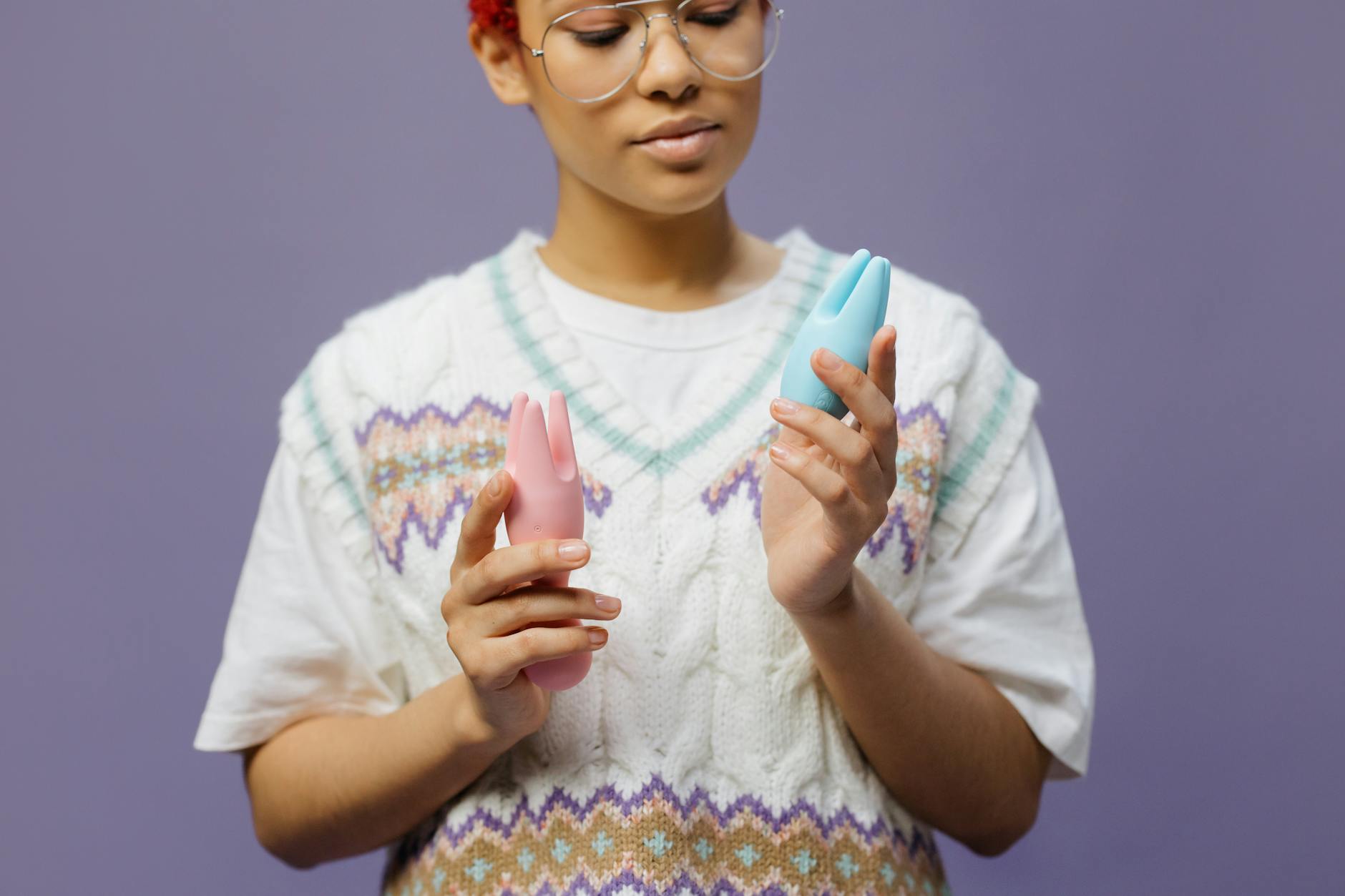
Air-suction lemon vibrators like the Lem work on a completely different principle than traditional vibration. Instead of rapid side-to-side movement, they create a gentle pulse of suction and release. That stimulates the nerve cluster without the same mechanical friction that can feel harsh on thinner tissue.
How suction stimulation actually feels different
Three reasons air-suction vibrators are gentler on sensitive anatomy:
First, there's no direct friction. Suction works by alternating gentle suction with release. Your tissue stays in contact with a smooth, soft surface (usually medical-grade silicone). There's no rapid back-and-forth scraping. If you've ever felt a traditional vibrator and thought "that's irritating me," suction feels like the opposite.
Second, stimulation is more dispersed. Instead of a single point of intense vibration, the suction effect activates nerves across a broader area. That means more total sensation, but less intensity per nerve ending.
Third, you control the pressure naturally. With suction, the amount of contact is something your own body regulates. If you shift position or adjust angle, the fit changes and the sensation changes with it. You're never forced into one rigid pressure zone.
The exact setup that makes a difference
If you're used to vibrators feeling uncomfortable, here's what to do differently with a lemon clitoral vibrator:
Start with pattern one. Don't skip to the middle settings. The first pattern on a device like the Lem is a gentle pulse that barely registers as suction. Let your body adjust to the sensation before you shift up.
Use water-based lubricant, always. Even if you're well-lubricated naturally, a small amount of water-based lube creates a smoother seal and takes any last bit of drag out of the experience. You're not compensating for anything. You're optimizing comfort.
Position it gently first. Don't press it hard into your body. Start with light contact. Let the suction do the work. Most people using a traditional vibrator press harder and harder. With suction, pressing harder just changes the sensation, not improves it.
Budget 15-20 minutes of warm-up time. Sensitive tissue takes longer to fully engage. Don't expect intensity the same way you would with a partner or conventional toy. The goal isn't speed. It's depth.
Why you might orgasm differently (in good ways)
Many people with sensitive tissue report that their first successful orgasm with suction is markedly different from what they knew before. Often better. Here's why:
With traditional vibration, you're chasing intensity. Pressure mounts. Your body tenses. The climax, if it comes, is sharp and sometimes almost uncomfortable.
With suction, arousal builds differently. Your pelvic floor relaxes instead of tensing. The sensation spreads through your entire vulva rather than concentrating in one spot. When orgasm comes, it's often deeper, longer, and somehow less urgent. People describe it as more satisfying even if it's less intense.
That's not your imagination. The mechanism of stimulation actually changes your nervous system's response. You're building pleasure through a different pathway. The outcome isn't worse. It's different in ways your body might actually prefer.
Common mistakes that make sensitive tissue worse
If you've tried lemon vibrators or air-suction toys before and felt nothing, or discomfort, here's what was likely happening:
You pressed too hard. The first mistake is thinking more pressure equals more sensation. With suction, it's the opposite. Light contact, consistent suction, patience.
You skipped the warm-up. Sensitive tissue needs your body to fully engage before direct stimulation. Fifteen minutes of foreplay or self-touch beforehand makes every difference.
You used no lubricant or the wrong kind. Silicone-based lube damages silicone toys. Oil-based lube can degrade tissues over time. Water-based lube is your answer.
You stayed on one pattern. If pattern one felt boring, pattern two might have felt like discovery. Spend time exploring where the pleasure actually lives instead of chasing what you think should feel good.
When sensitivity is also pain, what to do
If you feel sharp pain instead of discomfort, that's different and worth addressing separately. Genitourinary syndrome (tissue thinning), vaginismus (pelvic floor tension), or other conditions sometimes need professional support before toys are even on the table.
A pelvic floor physical therapist can assess whether your issue is tissue thickness, muscle tension, or nerve sensitivity. A gynaecologist familiar with vulvovaginal health can evaluate for hormone-responsive conditions. Those conversations are separate from learning your body's pleasure. But they matter.
Once you've ruled out pain as a medical issue, toys like the Lem become part of the solution, not the problem.
The pleasure your sensitive tissue actually deserves
Your body isn't less capable of pleasure because your tissue is thin or sensitive. It's just requiring the right tool and the right approach. A lemon clitoral vibrator isn't a workaround. It's the better design for your specific anatomy.
Plenty of people with resilient tissue end up preferring suction anyway once they try it. Because it's not about compensation. It's about unlocking sensation that traditional vibration never touches.
Your pleasure matters. Sensitivity isn't a flaw to overcome. It's information about what kind of stimulation actually works for you. Build from there.
FAQ: Lemon vibrators and sensitive tissue
Can I use a regular vibrator if I have thin tissue?
You can, but it might be uncomfortable. Many people with thin or sensitive tissue find that traditional vibration causes friction, rawness, or overstimulation. Suction-based vibrators like the Lem create stimulation without the same direct mechanical friction. It's not that traditional vibrators are bad. They're just designed for a different tissue type.
How long does it take to have an orgasm with a lemon sucker vibrator?
It depends on your body and your arousal state. With sensitive tissue, expect 15-25 minutes, not 5-10. That's normal. Your nervous system and tissues need time to engage. Think of it as quality over speed. Once your body understands the sensation, some people find their orgasms become faster and deeper over time as they learn their patterns.
Is water-based lubricant really necessary if I'm naturally wet?
Yes. Water-based lube creates a smoother seal and reduces any drag. Natural lubrication is great, but it can vary in consistency and distribution. A small amount of water-based lube ensures consistent comfort across the entire experience. It's not a sign that your body isn't cooperating. It's optimization.
What if suction doesn't feel like anything at first?
That's actually common. Your body might be anticipating traditional vibration and not recognizing the suction sensation at first. Spend three to five sessions at pattern one, just getting used to the feeling. No pressure to orgasm. Just sensory learning. Many people report that around session four or five, the sensation suddenly "clicks" and feels amazing.
Will a lem vibrator still work if I'm on birth control or SSRIs that affect sensation?
Yes. Suction stimulation reaches nerves differently than traditional vibration. Many people whose sensitivity is dampened by medications report better orgasms with air-suction tools because the mechanism bypasses some of the numbness. That said, everyone's different. If medication is significantly affecting your sensation, it's worth discussing with your prescriber whether timing, dosage, or type could shift. But many people manage perfectly well with the right toy and technique.
Can I use a lemon clitoral vibrator during my period?
Absolutely. Light suction during your period is often more comfortable than traditional vibration because there's less direct pressure. Some people find pleasure and orgasm help with period cramps. Your flow might increase slightly, but that's normal and not harmful. Use your regular menstrual product and proceed as you would any other day. The Lem and similar lemon vibrators are waterproof and easy to clean.
Moving forward: your next step
If sensitive tissue has kept you from toys, or if traditional vibrators have felt uncomfortable, trying a suction-based approach is worth the experiment. The mechanism really is different, and for many bodies, it unlocks pleasure that friction-based vibration never reaches.
Read more about how to use a lemon vibrator for better orgasms when taking SSRIs if medication is part of your story. Or start with how to choose a clitoral vibrator when you've never owned one if you're completely new to toys.
Your pleasure matters. Your sensitivity isn't a limitation. It's just asking for the right design. Build from there.