Let's talk about the numbness nobody mentions
You're with your partner. Things are happening that should feel good. But your body feels distant, like you're watching yourself from outside. The touch registers, sure, but it doesn't land. It doesn't spark anything. And the weird part? You know you can feel things alone. So what's different?
Here's what's actually happening: your nervous system is stuck in low-sensation mode. That's not a flaw in you or a sign that the relationship is broken. It's a very specific problem with a very direct solution.
Why numbness shows up during partnered sex
There are three big reasons sensation drops when someone else is involved, and they're worth understanding because the fix depends on which one is happening.
First is performance pressure. When you're with a partner, part of your brain is monitoring yourself. Am I taking too long? Do they like this? Am I being sexy? That cognitive load literally pulls blood away from sensation. Your nervous system goes into observer mode instead of receiver mode. It's not a moral failing. It's just how attention works.
Second is rhythm mismatch. Your body needs a specific intensity and pace to build sensation. A partner, even a caring one, might be working from their own preference or from what worked with someone else. If the rhythm is slightly off, your nervous system never enters the state where sensation deepens. It stays flat.
Third is what I call "sensation atrophy." If you've spent years getting sensation primarily through your own touch, or if you've been through periods of little to no physical contact, your nervous system recalibrates. It takes stronger, more direct stimulus to register. This isn't permanent, but it is real.
How numbness and lemon vibrators are connected
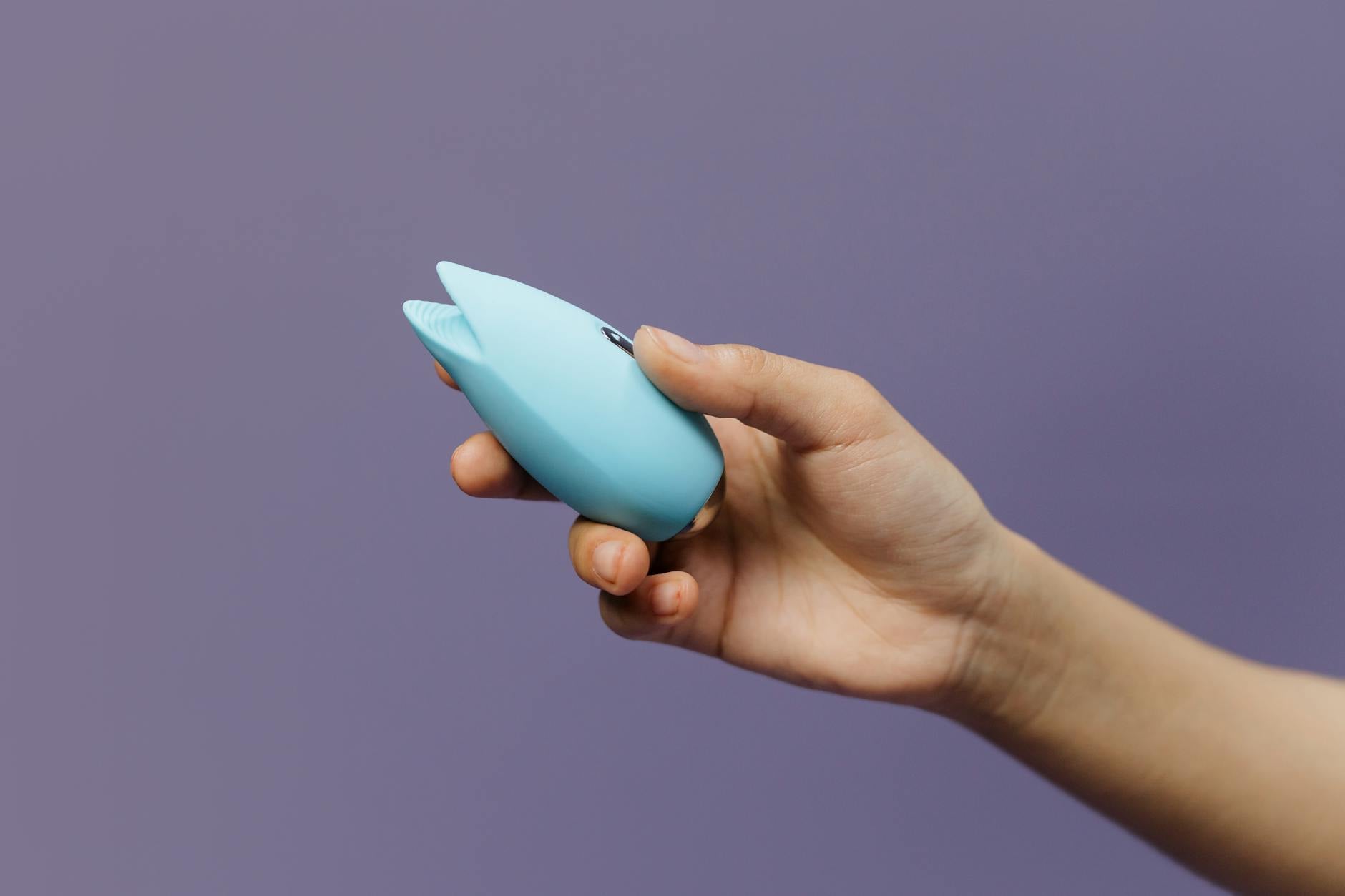
A lemon vibrator works for this because it does something your partner's body physically cannot: it delivers precise, consistent stimulation at a frequency your nervous system recognizes and responds to. This is not about replacing your partner. This is about teaching your nervous system that sensation with them is worth paying attention to.
When you use a lemon vibrator during partnered sex, three things shift. First, the direct clitoral stimulation activates your pleasure nerves intensely enough that your brain stops worrying about performance. You're too busy feeling to monitor yourself. Second, the vibration creates a rhythm your body can sync with. This is the opposite of the mismatch problem. Your nervous system locks in. Third, successful sensation in that moment teaches your body that partnered sex can deliver real feeling. You're literally rewiring the expectation.
The setup that actually works
If you've been feeling numb, jumping straight into using a lemon vibrator together might feel exposed. Here's a better sequence.
Start solo. Use your lemon vibrator alone for three to five sessions. Not to orgasm necessarily, just to sensation-map. Notice what intensity level wakes things up. Notice what speed feels like actual feeling versus buzzing numbness. Most people find there's a sweet spot around pattern level 2 or 3 on the Lemon where sensation suddenly "lands." That information matters.
Next, tell your partner what you discovered. You might say something like: "I realized I need some direct clitoral contact to really feel things. I want to try using this during sex." That's it. No apology. No long explanation. Most partners are relieved to have clarity about what helps.
Then introduce it slowly. Many couples start with the vibrator during foreplay, before penetration. You can hold it, they can hold it, either works. The goal is not a specific outcome but reconnection with sensation. If you get aroused, good. If you don't on the first try, that's fine too. You're rewiring a nervous system, not checking off a box.
The technique that bridges sensation
Here's what works practically: have your partner use the lemon vibrator while they're inside you, or have them hold it against your clitoris while you're together. This gives you two inputs at once: their presence and consistent vibration. Your nervous system gets to feel both simultaneously. Over time, the presence alone starts to trigger some of the sensation that the vibration was creating. It's called pairing in neuroscience. You're pairing partner contact with sensation success.
Start at a lower intensity level. Let sensation build gradually. If your nervous system has been numb, cranking it to level 5 immediately can feel overwhelming or numb in a different way, like you're being attacked by buzzing. Work up.
Keep communication simple. "More," "Less," "Hold it there." No need for elaborate discussion mid-sex. If it stops feeling good, you can adjust. This isn't complicated. Your body knows what sensation feels like. You're just re-teaching it that it can happen with your partner.
Why this matters for the relationship
I want to name something that often gets buried under the shame: numbness during partnered sex is one of the most common reasons couples drift. Not because the sex is bad, but because after years of it feeling numb, sex stops being something you want. You start avoiding it. Your partner notices and feels rejected. They might think you don't find them attractive, or that you've fallen out of love. You think you're broken. Nobody says the real thing, which is just: "My nervous system isn't getting sensation from this."
Using a tool like a lemon vibrator together is not a band-aid. It's a reset button. When sensation returns, so does desire. When desire returns, so does closeness. I've worked with couples where reintroducing direct clitoral stimulation in partnered sex was the thing that changed everything. Not because the toy is magic. But because the numbness lifted.
The long game
Here's something worth knowing: for some people, the vibrator becomes a permanent part of partnered sex, and that's completely fine. For others, after a few months of rewiring, they find they need it less. Both outcomes are okay.
If you feel like you're the one who always needs the vibrator and your partner resents it, that's a conversation about compatibility and effort, not about whether you're "normal." You're normal. Lots of people need clitoral stimulation during partnered sex. The research is clear on this. If your partner isn't willing to work with that, that's information about the relationship, not about you.
The numbness you're feeling right now doesn't have to be permanent. Your nervous system is responsive. It just needs the right signal. A lemon vibrator gives your body that signal consistently. After that, sensation with your partner often returns naturally.
FAQ: Sensation, vibrators, and partnered pleasure
Q: Will using a vibrator make me unable to feel sensation without it?
No. In fact, the opposite is more common. Sensation with the vibrator helps your nervous system remember what arousal feels like. Over time, that memory can transfer to other kinds of touch. You're not training numbness. You're training sensation.
Q: What if my partner feels insecure about the vibrator?
This is really common and worth addressing head-on. The vibrator isn't replacing them. It's solving a specific problem that their penis or hands can't solve: consistent, predictable clitoral frequency. You might frame it as: "This helps me feel more, which means I'm more present with you." Most partners understand that pretty quickly.
Q: How do I know if my numbness is physical or psychological?
Honestly, it's usually both. Stress, anxiety, and relationship tension create real changes in blood flow and nerve response. That's not "just in your head." So treating it as a physical sensation problem, which a vibrator addresses, often helps both the physical and psychological piece. If numbness is severe or new, checking with a doctor is still smart.
Q: Can I use a lemon vibrator if I have a lower sex drive than my partner?
Yes, though this is worth separating from the numbness issue. If your drive is genuinely lower, a vibrator might help you access sensation and arousal more easily, which can make partnered sex more appealing. If your drive dropped because partnered sex felt numb, then yes, reawakening sensation often restores drive naturally. These are different problems with sometimes overlapping solutions.
Q: How long does it take to feel sensation return?
Most people notice shifts within 2-3 weeks of regular use. That doesn't mean you'll suddenly have earth-shattering orgasms. It means you'll notice sensation registering. A warm feeling. Anticipation. Something. From there, deepening sensation usually takes another 4-8 weeks of consistent rewiring.
Q: What if we try this and nothing changes?
Then it's worth investigating deeper. Numbness can sometimes signal depression, hormonal issues, medication side effects, or relationship problems that a vibrator can't fix. In that case, talking to a therapist or doctor makes sense. But most of the time, direct clitoral stimulation wakes things up quickly.
The takeaway
Numbing during partnered sex is fixable. Your body isn't broken. Your nervous system just got trained to stay numb, and that training can be undone. A lemon vibrator is one of the most direct ways to reset that nervous system, to remind your body what sensation feels like, and to pair that sensation with your partner's presence. Over time, that rewiring often transfers. Sensation returns. Desire follows. Connection deepens. All because you addressed the actual problem instead of ignoring it.
Your pleasure matters. Your partner deserves to know what actually helps. And you deserve to feel something during sex again. Start there.