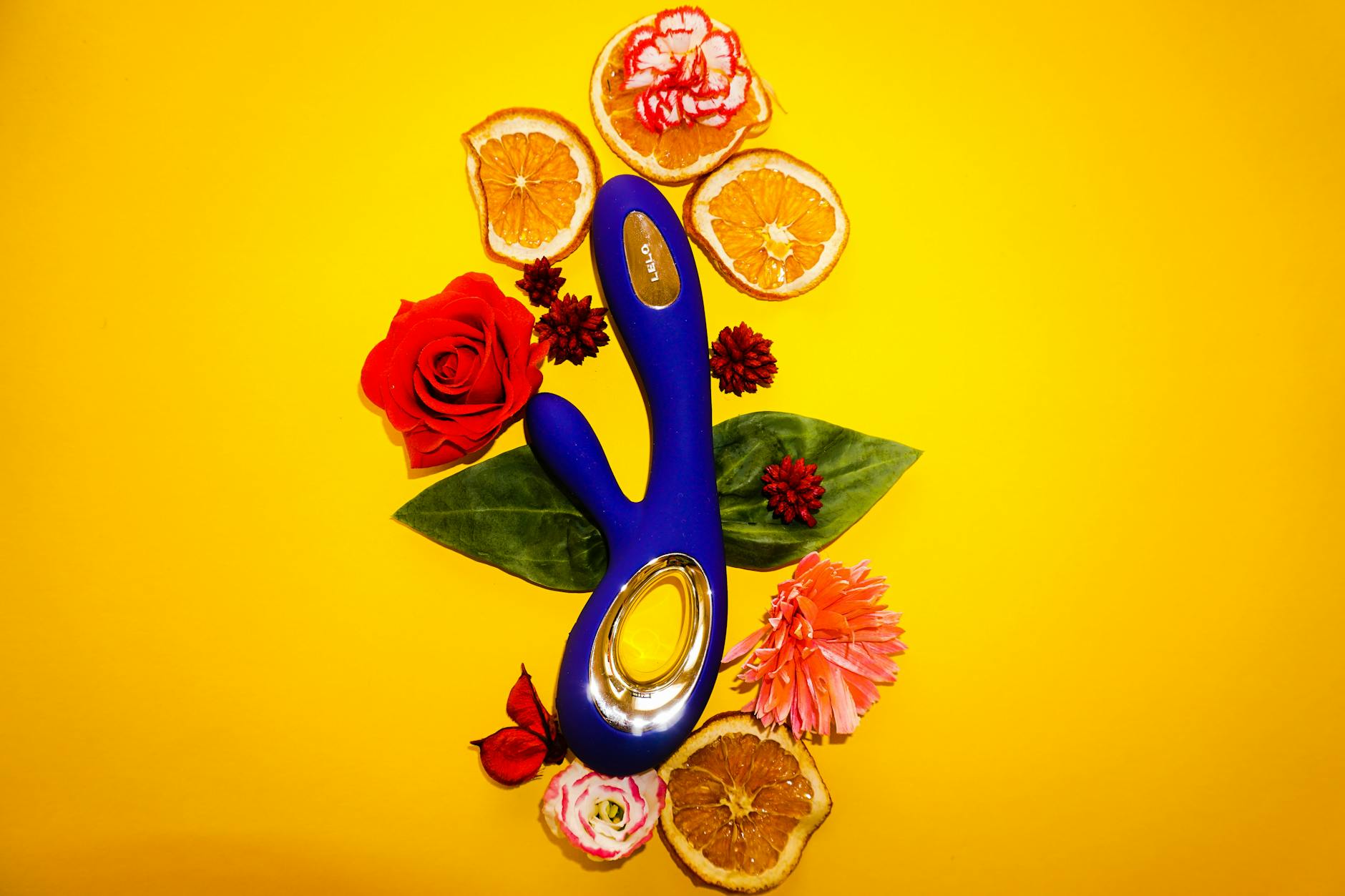
Here's the thing about HRT and pleasure
Hormone replacement therapy doesn't break your sexuality. It rebuilds it from the ground up. And that's actually good news, even though it can feel disorienting for the first few months.
The reality: your body is changing in real time. Estrogen is flooding tissues that were starved for it. Your nervous system is recalibrating. The clitoral vibrator experience you had before HRT? It's not the same anymore. But different doesn't mean worse. Different means you get to learn what actually works for this new version of you.
I've worked with dozens of clients navigating this transition, and almost all of them report that once they adjusted their approach, pleasure became more accessible, not less. That's what I want to walk you through here.
What actually changes when you start HRT
Let's start with the physiology because it explains everything that follows.
Estrogen makes tissue thicker, more elastic, and better lubricated. It restores blood flow to the clitoris and vulva. It rebuilds the vaginal microbiome and makes arousal faster to trigger. If you've been dealing with dryness, thinning, or delayed sensation before HRT, estrogen reverses those pretty quickly—sometimes within weeks.
But here's where people get tripped up: this also means your sensitivity threshold shifts. Tissues that were numb start waking up. That can feel overwhelming. Vibration intensity that felt perfect on low-sensation tissue might feel too intense now. You're not going backward. Your nervous system is literally becoming more responsive.
Progesterone plays a supporting role. It helps regulate mood, affects sensation distribution (some people experience more sensitivity in their breasts, others in their genitals), and influences how arousal builds over time. If you're on a cyclic or continuous dose, you'll notice monthly or consistent changes in how touch feels.
The testosterone component varies by regimen, but when it's present, it typically increases desire—the impulse to seek pleasure, not just respond to it when it arrives. This is huge for many people who've experienced desire loss.
Why your lemon vibrator feels different now
Three reasons your rhythm has shifted.
Sensitivity is higher. Numb areas are waking up. That lemon clitoral vibrator pattern you used to tolerate at level 5? It might feel sharp at level 5 now. This is progress, but it requires a reset. Start 1-2 levels lower than you used to and work up from there.
Arousal is faster but differently distributed. Pre-HRT, you might have needed 20 minutes of sustained stimulation to build. On HRT, arousal can start in 5-10 minutes. But it spreads differently—you might feel it more in your whole vulva, not just your clitoris. A lemon sucker's broad-based suction can feel gentler now because it's distributing sensation more evenly instead of concentrating pressure on already-sensitive tissue.
Lubrication is back. This sounds simple but it's massive. Natural lubrication changes how vibration feels. It reduces friction, changes the way suction works, and often makes sensation feel richer. You might need less lube supplement, or you might not need it at all. Experiment.
How to restart with your lemon vibrator
Treat the first 2-3 weeks of HRT as a learning phase, not a performance test.
Start with your device on the lowest pattern setting. The Lem's pattern 1 is gentler than a standard vibrator's low speed—it's a variable rhythm, not constant buzz. Begin there. You're not avoiding pleasure. You're gathering data about what your new body is telling you.
Extend your warm-up window. Yes, arousal is faster now, but that doesn't mean rushing it. Spend 5-10 minutes on non-genital touch first. Breasts, inner thighs, your own hands. Let your nervous system calibrate. Then bring the lemon vibrator in.
Notice where sensation is strongest. On estrogen, many people find the area around the clitoral opening becomes more sensitive than the tip itself. The Lem's suction pattern can feel different depending on placement. Try angling it slightly differently than you used to. You might find a sweet spot you'd never discovered before.
Lubricate anyway, even if you're producing more naturally. Just because your body is making lubrication doesn't mean your tissue is optimally hydrated during sustained stimulation. A water-based lube adds a comfort layer and can help the suction feel less like pulling and more like pleasant pressure.
Set a timer for pleasure, not orgasm. Many people experience a shift in how orgasms feel on HRT. They might come faster. They might be softer. They might feel different in location or intensity. If you're focused on the finish line, you'll miss the new landscape. Spend 15-20 minutes exploring. Let orgasm be a bonus, not the goal.
The emotional piece nobody talks about
HRT is a win for your body, but psychologically, it can feel jarring.
You're relearning pleasure after potentially years of not having access to it. That's touching. It's also vulnerable. Some clients tell me they feel grief about the time they lost, alongside joy about what's returning. Both are real.
If you're in a relationship, your partner's touch might feel different too. Hands that felt soft might feel more noticeable now. That intensity can surprise you both. It's worth naming out loud: "My body is waking up. That's not about you. That's about me getting my nervous system back."
If you're solo, you might feel a weird mix of excitement and self-consciousness about reconnecting with your sexuality. That's normal. You're not starting over. You're coming home to something you've always had.
When to expect plateaus (and they're normal)
Around week 3-4 of HRT, some people hit a spot where sensation feels less novel. This isn't numbness returning. This is your nervous system adapting to the new baseline of estrogen. It's the same reason a new cologne stops smelling strong after a week.
If this happens, your lemon vibrator is still doing its job. Your brain is just updating its reference point. You can move to a higher pattern, change where you use it, or try a different routine entirely. Variety is not just nice. It's neurologically necessary for sustained pleasure.
The first 3 months matter most
HRT dosing and absorption take time to stabilize. By month 3, you'll have a much clearer picture of how your body is responding and what rhythm works for you long-term.
In the meantime, be patient with yourself. You're not broken if pleasure feels different. You're not doing it wrong if you need to adjust your approach. You're exactly where you're supposed to be: learning a new body that feels like coming home.
Common questions
Will a lemon vibrator feel different if I'm on HRT?
Yes. The increased estrogen thickens tissue and restores blood flow, which makes sensation more acute and responsive. The suction mechanism of a lemon clitoral vibrator might feel gentler or more distributed than before because tissue is healthier and more elastic. You'll likely need to start at lower pattern settings and build up as your body adjusts.
How long does it take to adjust to using a lemon vibrator on HRT?
Most people recalibrate within 2-4 weeks. That said, HRT itself takes 3 months to fully stabilize, so your sensation profile will keep shifting slightly month to month. This is why flexibility with your technique matters more than finding one "perfect" routine.
Should I use more lube if I'm on HRT and using a lemon sucker?
Not necessarily more, but yes, you should still use it. Even though natural lubrication improves on HRT, adding a thin layer of water-based lube provides an extra comfort cushion during sustained stimulation and helps the suction action feel smoother. Think of it as insurance, not a sign that something's wrong.
Can HRT make it harder to orgasm with a clitoral vibrator?
Rarely. What's more common is that the type or intensity of orgasm shifts. You might come faster. You might need less time building up. The orgasm itself might feel more diffuse or more concentrated depending on your HRT regimen. If orgasms become significantly harder to reach (not just different, but noticeably delayed), check with your prescriber about hormone levels—sometimes dosing needs tweaking.
What if my lemon vibrator doesn't feel as good as it did before HRT?
That usually means your tissue sensitivity has shifted and you need a different pattern or intensity. Start by dropping your pattern setting by 1-2 levels. Build your warm-up time to 10-15 minutes. Change your positioning slightly. The vibrator isn't the problem. Your body is telling you it needs a different approach.
Is it normal for sensation to be stronger in different areas after starting HRT?
Completely normal. Estrogen restores blood flow and tissue thickness unevenly—some areas respond faster than others. You might discover that the side of your clitoris feels different than the tip. The opening feels more alive than the shaft. This is discovery, not dysfunction. Lean into it.
What's next
You're not starting from zero. You're starting from a place of renewal. Your body has always known how to feel pleasure. HRT is just giving you back the equipment and the nervous system responsiveness to access it fully.
If you're navigating pleasure changes alongside relationship shifts, read about how <a href="/blog/how-clitoral-vibrators-improve-sensation-in-long-term-relationships">clitoral vibrators improve sensation in long-term relationships</a>—some of those principles apply even when your partner is just your own hands and a lemon vibrator.
And if you're coming to this after any kind of trauma or low confidence, remember: you don't have to rush. Your body is healing. Your pleasure timeline is your own. A lemon sucker is just a tool. You're the one in charge.