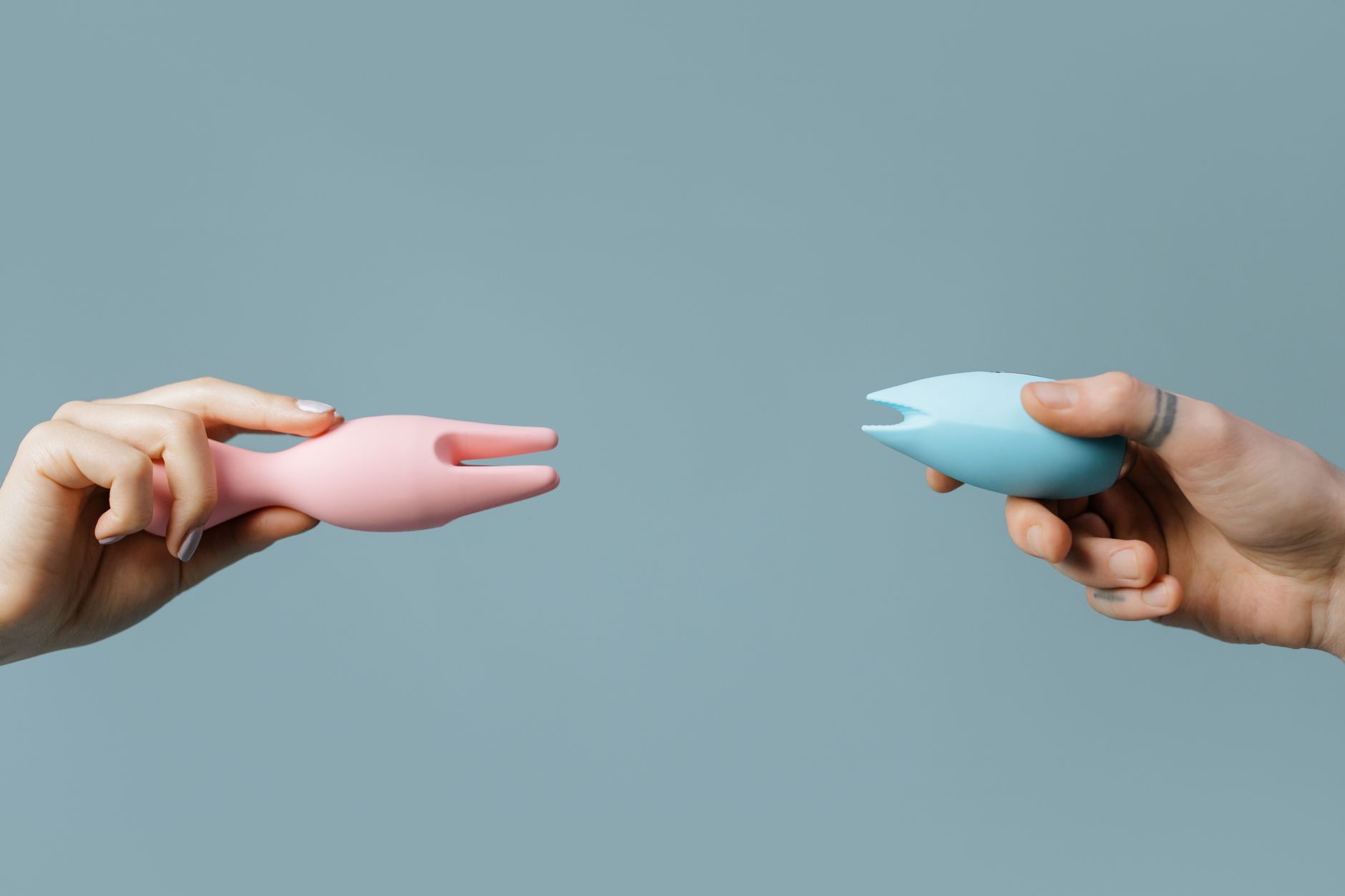
How to Use a Lemon Vibrator for Pleasure When Over 40 With Hormonal Shifts
Let's be real: pleasure doesn't end after 40. But it does shift.
Hormonal changes reshape how your body responds to touch, how quickly arousal builds, and what kinds of stimulation feel best. Most conversations about pleasure and midlife fall into one of two unhelpful camps. Either everything is framed as a loss ("goodbye to good sex"), or it's minimized as no big deal ("nothing actually changes"). Both are wrong, and both miss what's actually happening in your body.
Here's what does change physiologically, what doesn't, and why a tool like the Lem can transform the experience once you understand what's shifting.
The hormonal reality over 40
Estrogen and testosterone both decline as we move through our 40s and beyond. This isn't failure. It's a normal transition, and it has real effects on sexual response. Tissue becomes thinner. Lubrication production shifts. Blood flow patterns change slightly. The pelvic floor loses some of the support estrogen provided, which can alter how orgasms feel.
But here's what I need you to know, because almost nobody says it clearly: your capacity for pleasure doesn't disappear. Your nerve endings don't vanish. Your brain's ability to experience intense sensation stays intact.
Many of my clients report that some of their strongest, most satisfying orgasms have happened after 40. This isn't optimism. It's a consistent clinical observation across decades of work with couples navigating midlife.
Why sensation might feel different (and often better)
Three concrete reasons this happens:
Cognitive load lifts. Hormonal cycling, fertility concerns, and decades of performance pressure create mental static that finally quiets down. You're not managing a monthly hormone cycle anymore. You're not calculating fertility windows. You're not running the constant background script of "am I doing this right for my partner." That mental space opens up for actual pleasure.
Permission arrives. After 40, many people have finally stopped performing sexuality for an audience. You get to explore what actually feels good to you without the weight of shoulds. That shift alone transforms everything.
Tools work differently. A lemon clitoral vibrator like the Lem isn't just a toy. It's engineered specifically for the way your body responds now. Suction-based stimulation doesn't require the same direct friction that can feel too intense on thinner tissue. It creates a seal and gentle pulse that many women find more satisfying than traditional vibration, especially as tissues shift.
What changes in your body's response
Four things I tell every client navigating this transition:
Arousal takes longer. That five-minute warm-up? Gone. Budget 15 to 25 minutes now. This isn't a problem. It's actually an opportunity to slow down and pay attention to sensation in a way quick sex doesn't allow.
Initial sensation feels different. Tissues are thinner, which means they're more sensitive to rough stimulation but also more responsive to the right kind of touch. Start at the lowest intensity setting on a lemon vibrator and build from there. Your body will tell you when to increase.
Orgasms shift in texture. They might feel more localized. Less full-body, more concentrated. Some people experience waves instead of one peak. Others find they're more intense but shorter. All of this is normal. It's not worse. It's different, and once you adjust your expectations, it's often richer.
Lubrication needs support. Use a good water-based lubricant every time. Not because you're broken, but because thinner tissue benefits from extra glide. Silicone-based lubes feel luxurious but can degrade silicone toys. Water-based is your best bet.
How to use a lemon vibrator when your body has shifted
The technique matters here. This is where most people go wrong.
Start with the base pattern. The Lem and similar lemon clitoral vibrators have a pattern dial. Begin at pattern one or two. Let your body adjust to the sensation. You're not trying to jump straight to maximum intensity. You're teaching your body how to respond to this new tool.
Use plenty of lubricant. More than feels necessary. Thinner tissue needs more glide. A good water-based lube makes the difference between discomfort and absolute bliss.
Build slowly. After 2 to 3 minutes at your starting pattern, move up to pattern three or four if you want to. Spend time here. The slower build actually creates stronger arousal and more intense sensation when orgasm arrives.
Pay attention to angle. Slight changes in how you position the lemon vibrator change which nerve endings are stimulated. Experiment. Your body knows what works better than any guide can tell you.
Breathe. This matters more after 40 than it did before. Shallow breathing tenses the pelvic floor. Deep breathing relaxes it, which allows sensation to build more completely. Inhale for four counts, exhale for four.
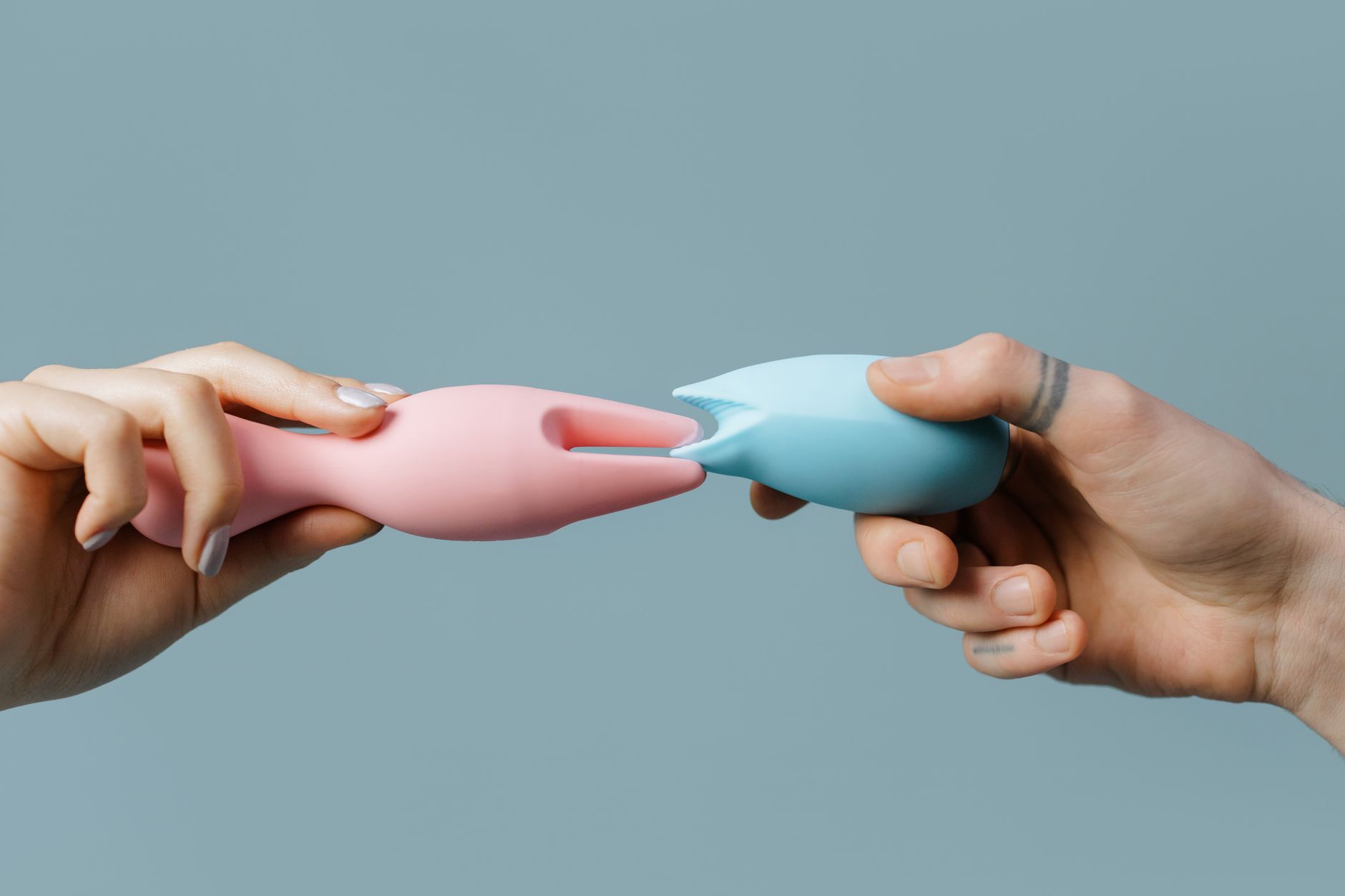
Photo by cottonbro studio on Pexels
The emotional shifts that matter just as much
Physiology is only half of this. The emotional and relational landscape changes significantly after 40, and that affects pleasure as much as hormones do.
If you're coupled, this is the moment when a lot of couples either disconnect or deepen. The kids might be older. Career expectations shift. Mortality becomes less theoretical. Some relationships crack under this weight. Others use it as an opening to rebuild intimacy from the ground up.
If you're single after 40, pleasure often becomes more intentional. You're not doing this for anyone else. You're doing it purely because it matters to you. That shift is powerful.
The point: don't blame hormones for everything. Yes, your body has changed. But if your desire has completely flatlined, or if you're feeling disconnected from your partner, there's usually something else happening too. Hormones are one layer. Relationship dynamics, stress, grief, life transitions. These all matter.
When thin tissue causes actual pain
If you're experiencing pain during sex, don't push through it. Genitourinary syndrome of menopause is real, common, and treatable. Many gynecologists can prescribe topical estrogen cream that has minimal systemic absorption and works within weeks. Testosterone therapy is also worth discussing with a knowledgeable provider if desire has completely disappeared.
A lemon clitoral vibrator helps with many situations, but it's not a cure for pain. If something hurts, you need to address the root cause first.
The permission piece
Here's what I see most often in my practice: women over 40 finally give themselves permission to prioritize their own pleasure. Not as a rebellion, not as performance, but as something that matters. That shift changes everything.
Your pleasure is worth the time. It's worth the lubricant. It's worth slowing down and paying attention. A tool like the Lem exists because your body deserves support as it changes. Not sympathy. Support.
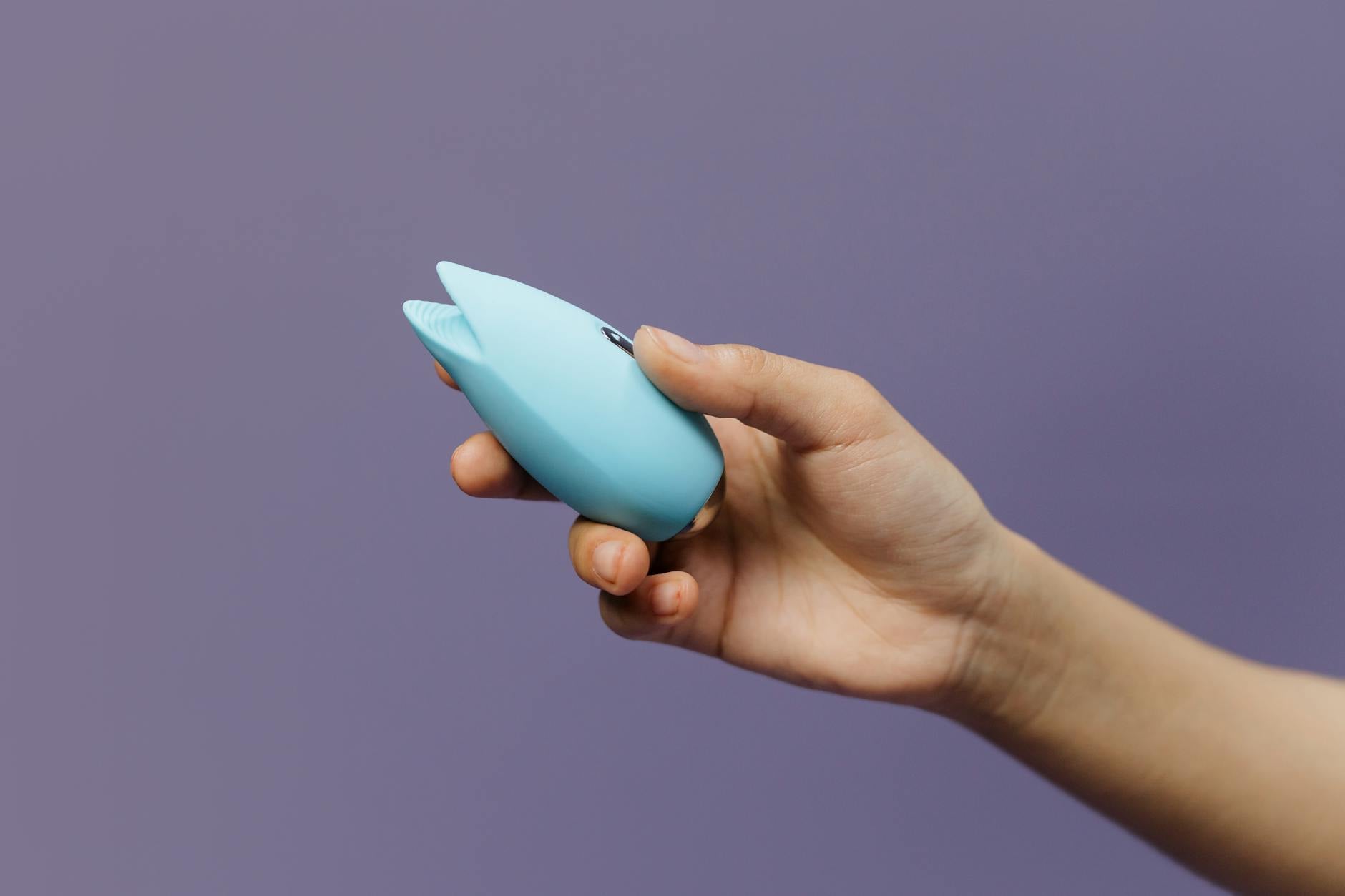
Photo by cottonbro studio on Pexels
FAQ: Common questions about pleasure after 40
Is it normal for orgasms to feel different after 40?
Completely. Orgasms after 40 often feel different because the tissues involved are thinner, pelvic floor support shifts slightly, and hormonal patterns change. Different doesn't mean worse. Many people report that post-40 orgasms are more intense or have a different texture that they actually prefer once they adjust their expectations. The key is not comparing what's happening now to what happened at 25. Your body isn't broken. It's evolved.
How much lubricant should I use with a lemon vibrator?
More than you think. Thinner tissue needs more glide, and a generous amount of water-based lubricant transforms the experience from uncomfortable to extraordinary. Reapply if sensation starts to drag. Your comfort matters more than using less product. Silicone-based lubes feel richer but degrade silicone toys over time, so stick with water-based.
Does a lemon clitoral vibrator work differently for people over 40?
Yes. Suction-based stimulation like the Lem doesn't require direct friction, which is gentler on thinner tissue while still delivering intense sensation. The pulsing suction pattern actually matches how nerve endings respond at this stage of life better than traditional buzzing vibration does. Many women find lemon vibrators and similar clitoral vibrators more effective after 40 than they did with earlier tools.
Can hormonal changes completely kill desire?
Hormonal changes can dampen desire, especially if estrogen and testosterone both drop significantly. But complete loss of desire usually involves other factors too: relationship disconnection, stress, grief, medication side effects, or burnout. If desire has completely disappeared, talk to a doctor who understands midlife health. Testosterone therapy, topical estrogen, and sometimes addressing underlying relationship or emotional issues all help.
What if my partner doesn't understand why pleasure feels different now?
Have this conversation outside the bedroom. "My body is responding differently" is a different conversation than "I want us to reconnect." Confusing them turns both into problems. Explain what's happening physiologically without apology. Give your partner specific information about what helps: more time, more lubricant, different positioning. Make them part of the solution rather than making them the audience for your frustration.
Is it too late to explore new tools for pleasure after 40?
It's actually the best time. You know your body better. You care less about performance. You're more likely to invest in a quality tool that actually works instead of something cheap that doesn't. Many people discover their best tool for pleasure after 40 because they finally prioritize what actually feels good instead of what's supposed to feel good.
The bottom line
Your body after 40 is different from your body at 25. That's not a loss. It's a transition. Pleasure doesn't end. It shifts shape. Understanding what's actually changing instead of buying into myths gives you the power to adapt, to find tools that work for your current body, and to discover that some of your best years for pleasure might still be ahead.
A lemon clitoral vibrator works so well for many people over 40 because it's designed for the way sensation actually works now. Not because your body is broken. Because it's evolved, and you deserve a tool that meets you where you are.
If you have questions about your body's changes or want to talk through what pleasure can look like for you right now, reach out. I'm here to help you navigate this transition with clarity and without shame.