Let's be real about what happens to sex after kids
You used to have sex. Now you have a 4-minute window on Thursday if the kids fall asleep before their usual second wind. Your partner wants to reconnect. Your body is touched out from little hands all day. Nobody's wrong here. You're both just operating from a deficit.
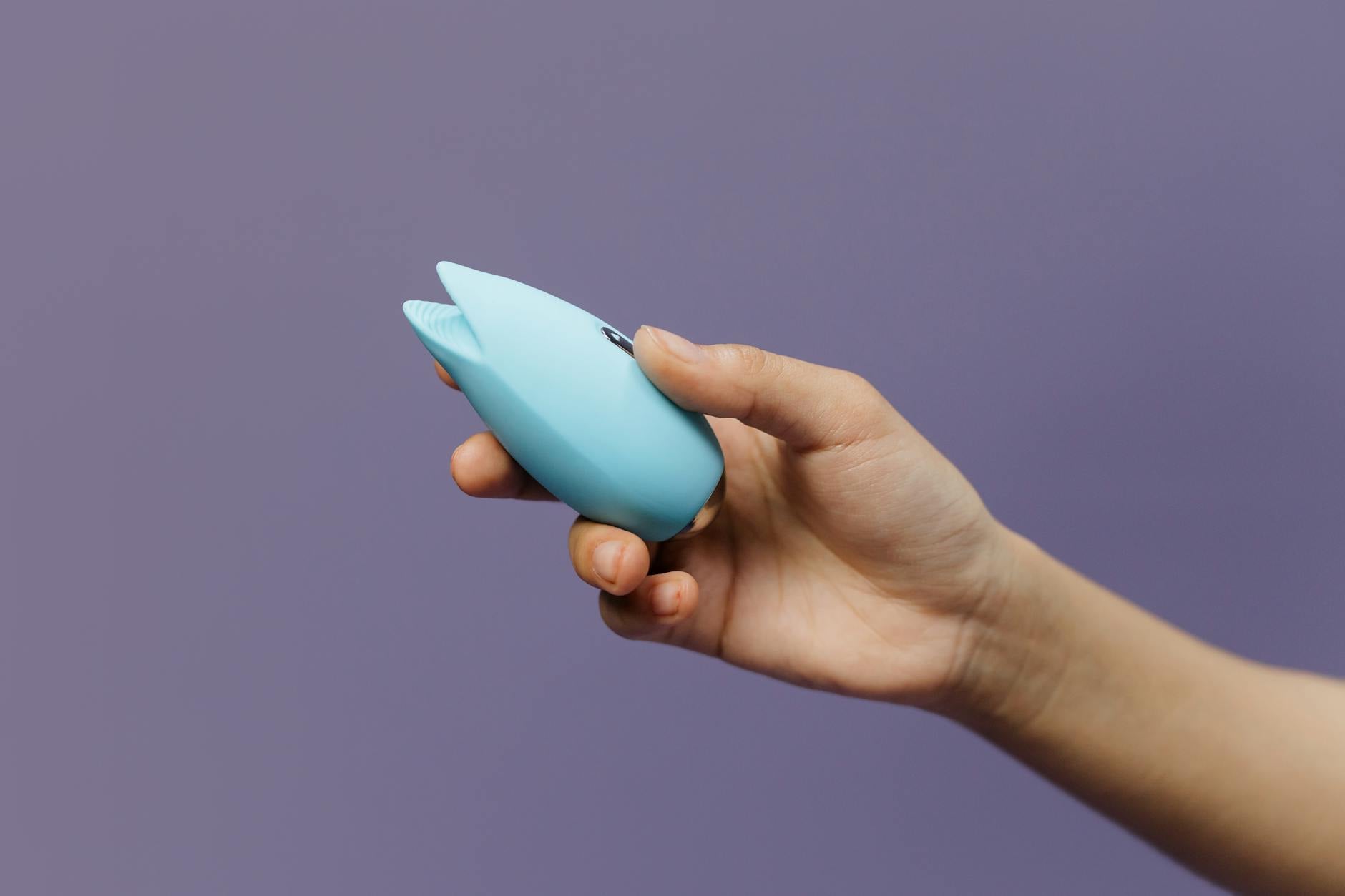
The cultural script tells you that good partners "make time" for intimacy. What it doesn't tell you is that making time when you're running a household, managing mental load, and averaging five interrupted hours of sleep is practically impossible. A lemon vibrator isn't a fix for the underlying exhaustion. But it is a way to fold pleasure back into your life without requiring the full ceremonial production that sex with a partner now demands.
Why a lemon vibrator works when time is the enemy
Here's the thing about air-suction devices like the lemon clitoral vibrator. They get you there fast. A traditional vibrator takes activation, setting, frequency adjustment. A lemon vibrator is four patterns and you're building toward something real. For someone with a 15-minute window before school pickup, that matters.
The lemon sucker doesn't require performance. You don't have to worry about your partner's pleasure, your body's responsiveness, or whether you're "taking too long." You just explore what actually feels good to your nervous system right now. After years of accommodating another person's needs, that's radically different.
There's also something about reclaiming solo pleasure that rebuilds the desire pathway itself. When sex becomes transactional maintenance with your partner, solo exploration reminds your brain that pleasure is still possible. That recognition is what makes you want to reconnect when you do have time together.
The actual mechanics (making this fit into real life)
You need three things: a private space, five to fifteen minutes, and realistic expectations about what you're aiming for.
Privacy is the hard part. A bedroom lock that works, a shower with the door closed, even your car during lunch break. The location matters less than the guarantee you won't be interrupted. Brain activation required for arousal tanks instantly when you hear small feet running toward the door.
Timing-wise, early morning before the kids wake works for some people. Others steal time during screen time or naptime. A few honest people I've worked with use shower time. The key is picking a slot you can repeat consistently. Your nervous system settles into a rhythm if you do this twice a week instead of once a month.
Start with the lower patterns on the lemon vibrator. If you've never used one, pattern one can feel subtle. That's intentional. You're not chasing intensity right now. You're chasing the feeling of being able to focus on sensation for five minutes without someone needing something from you.
Rebuilding desire when parenthood has tanked it
Desire doesn't come back on its own after kids. It has to be actively resurrected. Here's why a lemon clitoral vibrator helps with that specific problem.
When you use your lemon vibrator solo, you're sending your nervous system a message. This signal says: "Your pleasure still exists. Your body still responds. You're not just a function." That message is foundational to rebuilding desire for partnered sex.
A lot of parents, especially mothers, report that they've lost touch with their own arousal cues. The lemon vibrator is a direct line back to those signals. You learn what patterns feel good. You notice what your body needs. You practice the sensation of climaxing without the pressure of performance. All of that feeds back into partnered intimacy.
After solo exploration with your lemon vibrator, many people find they want to tell their partner about it. Not as a request for something new in the bedroom, but as a way of saying: "I found this thing that helps me feel like myself again." That conversation often softens the defensiveness partners feel when sex has dried up. It shifts from "you don't want me" to "we both need help making room for this."
How solo pleasure with a lemon vibrator actually helps your relationship
This might sound counterintuitive. But using a lemon clitoral vibrator on your own can be the fastest route back to partnered intimacy.
When you're touching out and exhausted, your partner's touch can feel like one more demand. Adding another layer of obligation to your body. But when you've spent time reclaiming your own pleasure, you remember that touch can feel good instead of extractive. That mental shift is huge.
Some of the most successful couples I've worked with use lemon vibrators as a bridge. One partner uses their device solo a few times a week. They tell the other about it. Then sometimes that partner wants to watch. Sometimes it becomes part of partnered sex. Sometimes it stays solo but the other person knows it's happening and feels less rejected by it. The exact configuration matters less than the fact that pleasure is visible again.
The research on this is clear: couples who maintain solo sexual practices have better partnered sex than couples who completely hand over their sexuality to a partner. Using a lemon vibrator isn't cheating or separate from your relationship. It's the maintenance work that keeps your nervous system available for connection.
When to use your lemon vibrator as a reset button with your partner
Let's say you've been using your lemon vibrator solo a few times a week. You're feeling more like yourself. Your desire is perking up a little. Now you have a real opportunity with your partner: scheduled sex on a Saturday because you both managed to arrange childcare.
Don't throw away the solo work you've done. Bring it into the bedroom. You might use your lemon vibrator with them present. You might let them watch and be present without touching. You might use it alongside partnered stimulation. The specific choreography depends on what feels good to both of you.
Here's what changes when you've been using a lemon clitoral vibrator solo: you know what actually gets you there. You're not guessing. Your partner doesn't have to be a mind reader or feel responsible for your orgasm. They just have to be present and engaged while you do the work. That takes massive pressure off partnered sex when you're both already depleted.
The real barrier (and how to name it)
The biggest obstacle to reconnecting intimacy after kids isn't lack of desire. It's scarcity of time and mental space. A lemon vibrator doesn't solve those problems. But it does work within those constraints.
Most parents I work with struggle with guilt about solo pleasure. They feel like time alone should go to sleep or to a shower or to literally anything else. If you feel this way, here's the reframe: five minutes with your lemon vibrator is preventive mental health work. It's reconnecting with your own nervous system. It's making you more available to your partner and your kids when you're done.
If your partner bristles at the idea of you using a lemon clitoral vibrator solo, that's usually not about the device. That's about their own anxiety about not being enough. That conversation is worth having. And it's hard. But "I need fifteen minutes a week to feel like myself" is a reasonable boundary. A lemon vibrator is just the tool that makes it specific.
FAQ: Lemon Vibrators and Rebuilding Intimacy After Kids
How often should I use my lemon vibrator if I'm trying to rebuild desire with my partner?
Two to three times per week seems to be the sweet spot for most people. That's frequent enough that your nervous system stays primed and your brain remembers what pleasure feels like. But not so frequent that it becomes another obligation. If you're currently having partnered sex once a month, two solo sessions a week will likely increase that. There's no rule. Listen to your body.
Will using a lemon vibrator solo make me less interested in partnered sex?
No. The opposite usually happens. When you're touching out and your partner feels like one more demand, solo pleasure with a lemon clitoral vibrator actually decreases resentment. You're getting what your body needs without requiring your partner to provide it. That paradoxically makes you more interested in choosing them for connection.
Should I tell my partner I'm using a lemon vibrator?
If you're trying to rebuild intimacy, eventually yes. Not as a confession or a secret, but as information sharing. "I started using a device solo a couple times a week and it's helping me feel more like myself." See how they respond. If they're defensive, that's worth exploring together or with a therapist. If they're curious, you have an opening for real conversation about what you both need.
Can my partner and I use a lemon vibrator together if we're trying to reconnect?
Absolutely. Some couples find that incorporating a lemon vibrator into partnered sex removes pressure because the outcome isn't dependent on one person's body responding a certain way. It's a third thing you're doing together. It also removes the performance anxiety a lot of people feel after years of infrequent sex.
How do I protect time for solo pleasure with my lemon vibrator when I have young kids?
Treat it like any other appointment. Early morning before kids wake, naptime if you still have one, or during a partner's solo parenting window. The location matters less than consistency. Your brain needs to know this time is protected and it's coming.
What if I feel guilty using a lemon vibrator when I'm already touched out?
That's worth examining. Guilt often means you've internalized the idea that your pleasure should come last, or that five minutes alone is selfish. It's not. Your nervous system needs recovery time. Solo pleasure is part of that. If the guilt persists, talking to a therapist who specializes in postpartum or parental identity can help you separate your needs from the cultural narrative that mothers should be endlessly available.
The actual pathway forward
Using a lemon vibrator alone won't fix a broken partnership. And it won't magically create time you don't have. But it does work with the reality of parenting: that exhaustion is real, that intimacy matters, and that you need a fast, uncomplicated way to remember what pleasure feels like.
Start with solo exploration. Notice what your lemon clitoral vibrator tells you about what you actually want. Then, when you're ready, invite your partner into that knowledge. Not as a performance, but as information. "This is what I need. This is how I want to feel again." Most partners respond better to specificity than to vague requests for more intimacy.
The lemon vibrator becomes the bridge between the person you were before kids and the person you're becoming now. It's not romantic. It's practical. And sometimes practical is exactly what intimacy needs.