
Let's talk about what separation actually does
Time apart from a partner isn't just an emotional absence. It's a physical one. Your body stops anticipating touch. The neural pathways for arousal get quieter. Skin sensitivity to your partner's touch feels almost unfamiliar. Even when you're desperate to reconnect, the body sometimes needs permission to remember how.
This is especially true after long distance stretches, work travel, or life circumstances that kept you apart. Couples often report that physical intimacy feels awkward or strained on reunion. The gap feels bigger in bed than it does anywhere else.
That's not a failure. It's just biology and habit reasserting themselves.
Why reconnecting is harder than you think
Three things happen when partners spend extended time apart. First, your nervous system recalibrates to absence. The anticipatory arousal that built before your partner walked through the door dies down. You stop thinking about sex because the object of that desire wasn't present. Second, performance pressure climbs. You've both been waiting. There's an expectation that reunion sex will be transformative. That weight kills arousal faster than almost anything.
Third, if one partner has been solo during the separation, their arousal baseline has shifted. Solo pleasure works differently than partnered pleasure. The rhythm is faster. The intensity is calibrated only for you. Jumping straight into partnered sex without rebuilding that bridge often feels jarring or disappointing for both people.
Using a lemon clitoral vibrator before and during reunion creates a buffer. It's not replacing your partner. It's warming up the body so your partner's touch lands on responsive tissue instead of dormant tissue.
The three-stage reconnection approach
I recommend thinking about this in phases, not one sudden pivot.
Stage one: Solo reconnection (days 1-3 after reunion). Start with solo use of a lemon vibrator. This isn't about avoiding your partner. It's about signaling to your nervous system that pleasure is happening again. Use your Lem on pattern 1 or 2, slower than you normally would. Spend 15-20 minutes just feeling your own body respond. Think about your partner. Notice how the anticipation of seeing them builds even in solo time. This stage reactivates the neural pathways for desire without the pressure of performance.
Stage two: Partnered observation (days 3-5). Let your partner watch you use your lemon vibrator solo. This serves multiple purposes. It reminds them what your pleasure looks like. It lets you experience arousal in their presence without the immediate pressure to do anything about it. It's genuinely intimate to be seen this way. Many couples find this phase reconnects them emotionally before it reconnects them physically.
Stage three: Integrated use (day 5+). Now bring the vibrator into partnered sex. Use it during foreplay while your partner touches you elsewhere. Use it during sex. The Lem's suction-based design means it doesn't create friction that requires adjustment like some toys do, so it integrates smoothly into what you're already doing. Your partner can even hold it for you, which adds a layer of intimacy and control.
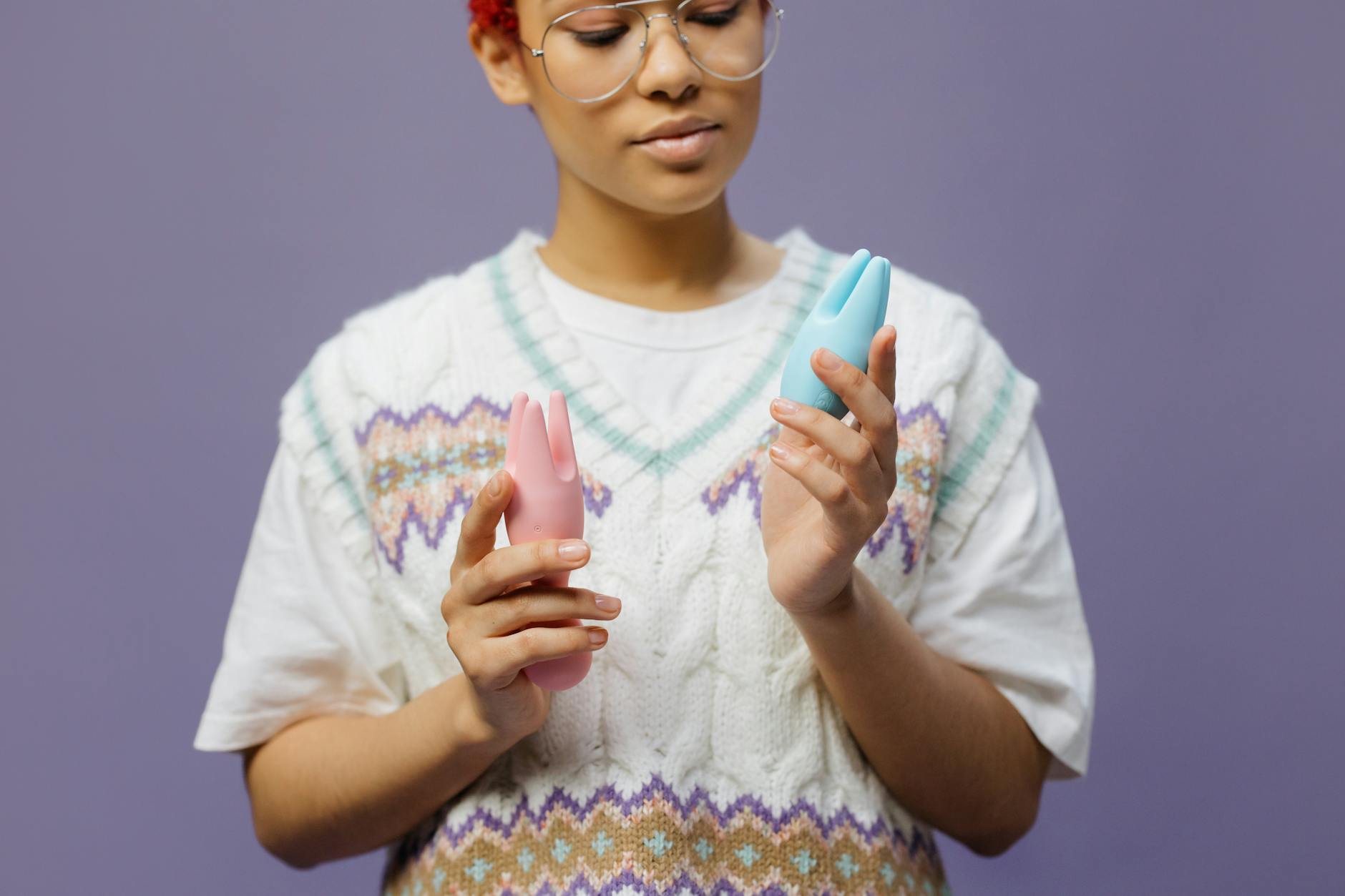
Photo by cottonbro studio on Pexels
Managing expectations before reunion
Here's the thing couples miss. The conversation about reconnecting needs to happen before you're in bed trying to figure it out. Talk to your partner about the physical gap. Tell them your body might need time to warm up. Tell them you're not performing. You're rebuilding. Ask them what they need.
Some partners feel insecure about the vibrator. They worry it means their touch isn't enough. Reframe it. The vibrator is a tool for bringing you back online. It makes partnered sex better because your body is responsive. It's not replacing them. It's preparing you for them.
If shame comes up around using toys during reunion, sit with that. Often the shame is old stuff about pleasure being selfish. Using your lemon vibrator with a partner is the opposite of selfish. It's saying your pleasure matters. It's saying you're worth the effort of reconnection.
Practical timing that actually works
Don't ambush yourself with reunion sex the moment you walk through the door. You're tired. Your nervous system is in travel mode. Give yourself 24 hours. Use that time for other touch. Kiss more. Hold hands. Let your skin remember what your partner feels like without immediately going for full sex.
On day two, start solo reconnection with your lemon vibrator. This is also a good time to check in with how your body feels. Are you tense? Relaxed? Are you fantasizing about your partner or distracted? All of that data matters.
Save partnered sex with the vibrator for day three or later, when the reunion feels a little less heavy and frantic.
When reconnection takes longer than expected
Sometimes couples expect reconnection to be instant and it isn't. You might feel disconnected. Your partner might not feel as attracted. These feelings don't mean something is wrong with the relationship. They mean you need more time.
Extend the phases. Spend a full week on solo reconnection. Use your lemon vibrator daily. Let your brain rebuild the neural associations between pleasure and your partner's presence. This isn't laziness or avoidance. This is honest, grounded reconnection work.
If emotional distance accompanies the physical distance, that's a separate conversation that might need space outside the bedroom. Use pleasure as a reconnection tool, but don't expect it to solve relational issues. Sometimes you need to talk first, then touch.
The role of lemon vibrators in long-term reconnection
Partners who introduce clitoral vibrators into reunion sex often report that it becomes a ritual. A way of saying, "We're back. We're choosing pleasure together." That ritual helps. Rituals ground transitions. Using your Lem together becomes associated with reunion, with time together being special, with your body being worth this attention.
Over time, the vibrator might not be necessary every reunion. But having it available changes how you approach reconnection. It removes shame from bringing in a tool. It says pleasure is important enough to engineer.
Navigating jealousy or insecurity
Sometimes a partner gets uncomfortable when they learn you've been using a lemon vibrator solo during the separation. They might feel replaced. They might worry you prefer it to them. This is really common and worth addressing directly.
Share what the solo experience was like. Tell your partner that pleasure with a vibrator hits differently than pleasure with them. A vibrator doesn't kiss you. It doesn't hold you. It doesn't make you feel desired the way a partner's attention does. The vibrator kept you warm during the gap. Now they're here, and that's different.
If they're open, invite them into the experience. Most insecurity dissolves when the partner understands what's happening and feels included rather than replaced.
FAQ
How long should solo reconnection last before partnered sex?
I usually recommend at least two to three days of solo reconnection with your lemon vibrator before bringing a partner into the picture. This gives your nervous system time to reactivate arousal pathways without performance pressure. Some couples need longer. Listen to what feels right.
Can using a vibrator during separation damage a relationship?
Not at all. Solo pleasure during separation is healthy. It keeps your sexuality alive when your partner isn't present. What matters is transparency. If a partner discovers secret vibrator use and feels blindsided, that can sting. Being honest about solo pleasure during gaps builds trust, not undermines it. Many couples find that knowing a partner used a vibrator makes reunion sex feel less pressured.
Is it normal to not feel attracted to your partner right after time apart?
Completely normal. Attraction isn't constant. It needs presence to sustain it. After time apart, attraction rebuilds over days, not hours. Your brain and body need reminders. Using a lemon vibrator to reactivate solo arousal actually speeds this process because you're signaling to your nervous system that pleasure is back in play.
Should both partners use vibrators during reunion, or just one?
There's no rule. Some couples benefit from both exploring solo pleasure first. Others prefer one partner leading while the other observes and learns. Some jump straight to using a vibrator together. Talk about what feels comfortable. If you're the one with a vulva and a lemon vibrator, you're the expert on your pleasure. Your partner gets to watch and learn.
What if the vibrator makes partnered sex feel rushed or awkward?
Take it slower. Use the vibrator for a shorter period. Introduce it later in the encounter when you're both more relaxed. Some couples use it only for solo reconnection and save partnered sex for later. The vibrator is a tool to enhance, not a requirement. If it creates tension instead of ease, adjust.
How do I talk to my partner about needing a vibrator to reconnect?
Be straightforward. Say something like: "I want us to reconnect well after this time apart. I'd like to use my vibrator to warm up my body before and during sex, because I think it'll help me feel more aroused and present with you." Then listen. If they have concerns, take them seriously but don't abandon your need for pleasure.
The bottom line
Time apart changes the body's memory of pleasure. Using a lemon vibrator to reconnect isn't a shortcut. It's a honest way of saying your body needs a bridge back to desire after the gap. Doing this work individually and together strengthens both your relationship and your sexuality. When you reunite, you're not starting from zero. You're starting from a place where your body already knows what pleasure feels like.
Ready to rebuild after separation? Start solo, move to observation, then integrate. And be patient. Reconnection is worth the slow burn.