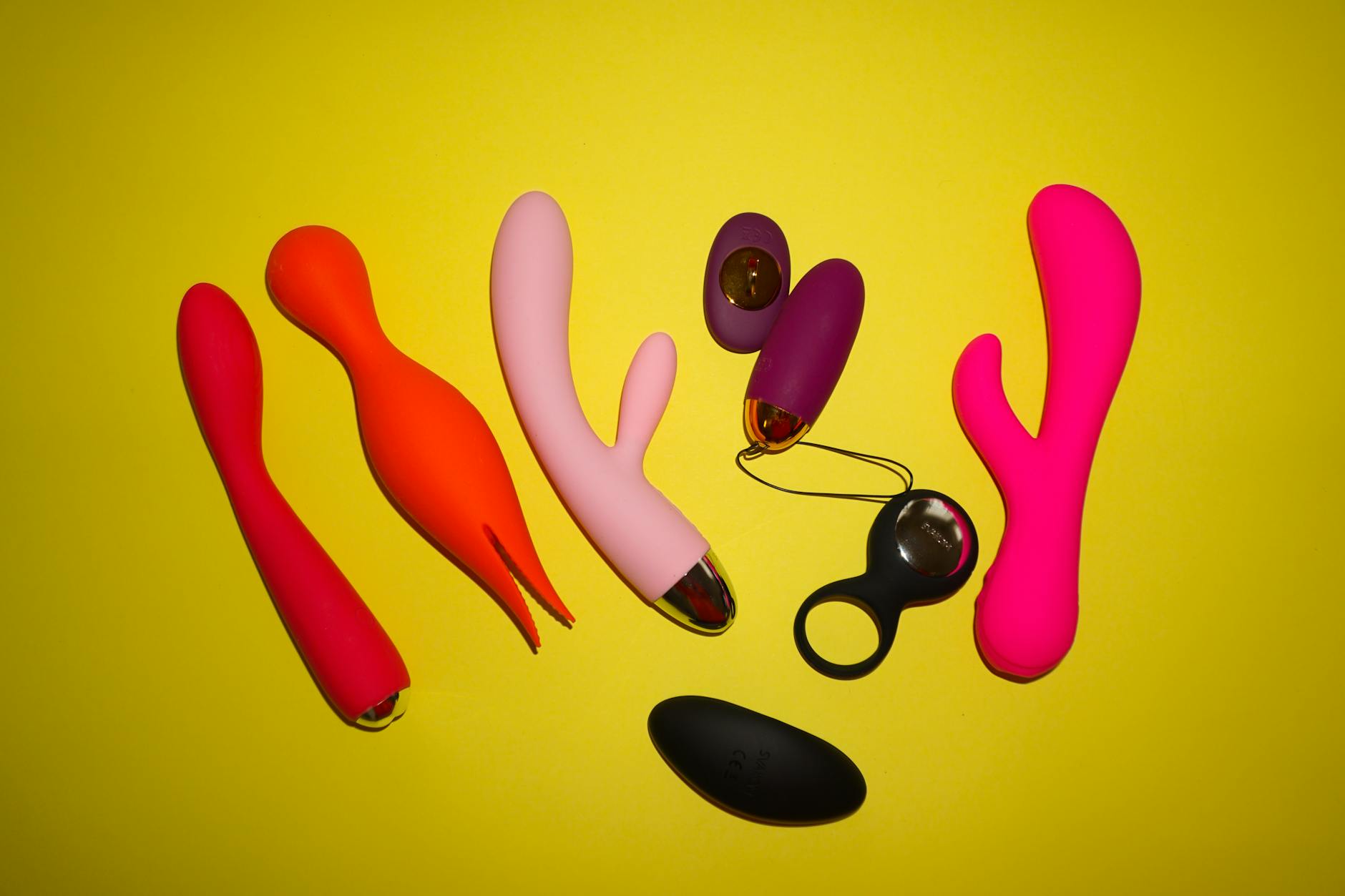
Let's be real about stress and sensation
Stress doesn't just make you feel tired. It literally shuts down your ability to feel pleasure. When you're running on cortisol and adrenaline, your nervous system narrows its focus to survival. The sensations that matter to your nervous system right now are threats. Everything else gets dimmed, including touch, arousal, and orgasm. Your body isn't malfunctioning. It's doing exactly what it's designed to do. Which is infuriating when what you want is to feel something good.
Here's the thing: most people blame their partner, their relationship, or themselves. "I'm just not into it anymore." "My libido disappeared." "I don't know what's wrong with me." But when I sit down with someone who's been chronically stressed and walk them through their timeline, it becomes clear. The sensation started fading six months ago when work got demanding. Or after a major family crisis. Or during a season of caretaking that left them running on empty.
Stress-induced numbness is one of the most fixable forms of disconnection from pleasure. And it often responds beautifully to what I call "nervous system retraining." A lemon clitoral vibrator isn't just a toy. It's a tool for teaching your body that safety and pleasure can coexist again.
Why your nervous system is keeping you numb
Your nervous system has two primary modes: sympathetic (fight-flight-freeze) and parasympathetic (rest-digest-pleasure). When you're chronically stressed, your sympathetic nervous system is locked on. Your body treats everything as a potential threat. Blood flow pools in your core and limbs, away from your extremities. Your skin becomes less sensitive. Sexual arousal requires a parasympathetic state, and stress keeps you stuck in the opposite.
Plus, chronic stress exhausts dopamine and serotonin. These are the neurochemicals that make sensation feel rewarding. Without them, stimulation becomes just information. You feel it happening, but it doesn't land emotionally. It's like watching sex scenes in a movie when you're stressed: you can see it, but you're not feeling anything.
The second piece is attention. Stress hijacks your working memory. Part of your brain is always running a background loop of worries, deadlines, or what-ifs. When your partner touches you, or when you're using a lemon vibrator on your own, maybe 60% of your attention is actually there. The other 40% is still at work. This split attention is enough to prevent arousal from building. You need at least 80-90% of your cognitive load focused on sensation to cross the threshold into pleasure.
The reset protocol: preparing your nervous system
Before you even pick up your lemon sexual toy, you need to shift your nervous system into parasympathetic mode. This takes 15-20 minutes minimum. Rushing defeats the whole point.
Step one: eliminate competing stimulation. Phone off. Notifications silenced. Bedroom door locked if you need to feel that security. Your nervous system needs to know there are no threats incoming.
Step two: temperature and texture. Take a warm shower or bath. Warm water signals safety to your nervous system. Wrap yourself in something soft afterward. Cotton, silk, or cashmere. Your skin has been in alert mode. Let it know it's safe to relax.
Step three: breath work. Spend five minutes doing 4-7-8 breathing: inhale for four counts, hold for seven, exhale for eight. This is one of the fastest ways to flip your nervous system switch. Do this in a comfortable position. No pressure.
Step four: grounding. Before you touch yourself, notice five things you can see, four you can touch, three you can hear, two you can smell, one you can taste. This roots your attention in the present moment instead of wherever your stress is living.
You're not rushing into pleasure. You're building the container where pleasure becomes possible.
How to use a lemon clitoral vibrator when sensation feels flat
Now you're ready. Here's what I recommend with a lemon vibrator specifically.
Start with intention, not stimulation. Before you turn it on, hold your lemon vibrator in your hand. Notice its weight, the smooth silicone, the temperature. This preps your proprioceptive system to receive sensation. You're signaling to your nervous system that pleasure is the agenda.
Turn it on at the lowest setting. The point is not to chase an orgasm. The point is to retrain your nervous system to recognize that external stimulation plus a safe environment equals pleasure. Start at pattern one or two on your lemon clitoral vibrator. You're looking for gentle. If you're used to higher intensities, this might feel underwhelming at first. Sit with that. Your sensitivity will recover.
Focus on the edges of sensation. With stress-induced numbness, direct clitoral contact often feels like pressure without pleasure. Try hovering your lemon vibrator slightly above the clitoris, or using it on the sides of the clitoral hood. The nerve density is slightly different here, and you may find sensation lands differently.
Move slowly. Stressed nervous systems need time to register change. Move your lemon vibrator in small patterns. Circles. Vertical strokes. Pause for a few seconds between movements. Your nervous system needs these gaps to process "okay, something happened, and nothing bad came of it." That's how it re-learns safety.
Set a timer for 15 minutes. Don't push toward an orgasm. If one shows up, great. If not, that's fine too. The win here is sensation registering as pleasurable, not the finish line.
Repeat this four to six times a week. You're not just masturbating. You're literally retraining neural pathways. That takes repetition.
The partnership dimension
If you're in a relationship, your partner needs to understand what's happening. Stress-numbing isn't rejection. It's not about them. It's about your nervous system being stuck in survival mode.
One approach: start by using your lemon vibrator on your own, without pressure to perform or reach orgasm with a partner present. Rebuild that solo sensation first. Then, once you're getting reliable pleasure responses alone, your partner can be present in the room while you use it. Not touching. Just present. This teaches your nervous system that you can feel pleasure and still be safe with another person nearby.
The next layer is your partner learning what you've learned about your own nervous system. If they understand that you need 15 minutes of wind-down time, no pressure, no expectations, before any sexual activity, they can help you create that space. They're not fighting against your body. They're working with it.
Many relationships suffer during high-stress seasons because one partner's libido tanks and the other feels rejected. When you frame it as "my nervous system needs retraining, and here's exactly how you can help," it becomes collaborative instead of adversarial.
When to seek support beyond this
If you've been using this protocol consistently for six weeks and sensation is still completely flat, or if you're experiencing pain alongside numbness, talk to a therapist or GP. Chronic stress can sometimes be masking depression or anxiety that needs clinical support. A lemon vibrator is a powerful tool for retraining pleasure, but it's not a substitute for therapy if deeper mental health stuff is at play.
Also consider this: if your stress isn't actually decreasing, no amount of nervous system retraining will stick. You can teach your body to feel pleasure again, but if you're still running on adrenaline 12 hours a day, you're fighting an upstream battle. Sometimes the real work is addressing the stress source, not just the symptom.
FAQ: Stress and sensation recovery
How long does it take to get sensation back after chronic stress?
It depends on how long you've been stressed and how severe it is. Most people start noticing shifts in sensitivity within two to three weeks of consistent practice. Full recovery usually takes six to twelve weeks. Your nervous system rewires gradually. Be patient with it.
Can I use a lemon vibrator if I'm still in a high-stress period?
Yes, but manage your expectations. You're building nervous system resilience, not waiting for stress to disappear. Think of it like exercise during a stressful season. You're not going to feel amazing, but you're maintaining your capacity. The vibrator sessions will feel more rewarding as stress decreases, but they're valuable even while you're in the thick of it.
Why doesn't direct stimulation work when I'm stressed?
Stress literally changes blood flow and nerve sensitivity. Direct pressure on the clitoris when your nervous system is in survival mode can feel irritating or numb instead of pleasurable. The suction sensation from lemon clitoral vibrators actually works well for stressed nervous systems because it's more diffuse than concentrated pressure. It's easier for your nervous system to recognize as pleasure rather than threat.
Should I tell my partner about this?
I'd say yes, especially if you're in a monogamous or primary partnership. Not because you need permission, but because your low desire during a stressful season is going to affect them too. When they understand it's nervous system stuff and not relationship stuff, you both reduce shame and blame. You become a team solving a problem instead of adversaries in a rejection dynamic.
Is a lemon vibrator better than other types for stress recovery?
For stress-related numbness specifically, the suction mechanism on lemon clitoral vibrators is genuinely superior to traditional vibration patterns. The sensation is gentler to your nervous system while still being intense enough to register pleasure. That said, any clitoral vibrator used with the nervous system retraining approach here can work. A lemon vibrator just makes it easier.
What if I orgasm quickly now, but I was used to longer sessions before?
That's common. Your nervous system has been shut down. When it finally gets permission to open back up, it can flood with sensation. Fast orgasms often mean your system is recalibrating. Let it. They tend to become longer and more nuanced as your nervous system settles. Don't try to extend them artificially. Your body knows what it needs.
The road back to sensation
Stress numbs you because survival takes priority over pleasure. That's biologically sound. But when the immediate crisis passes and your nervous system stays stuck in high alert, pleasure becomes collateral damage. Using a lemon vibrator as part of a deliberate nervous system retraining isn't just about having orgasms again. It's about teaching your body that you're safe enough to feel good. That's real repair. That takes time, consistency, and patience. But it's absolutely possible, and you deserve to get back here.
If you're struggling with where to start, our guide on choosing the right toy breaks down how different designs support different pleasure goals. Start there if you're unsure, then come back to this protocol.