
Let's be real about medication and pleasure
Starting new medication is a practical decision. It's also an upheaval. Your body adjusts, your mood shifts, your energy changes. And yes, your sexual response changes too. That's not failure. That's your body doing exactly what it's supposed to do while it acclimates to something new.
The tricky part is that nobody talks about this clearly before you start. You get a sheet of side effects that lists "decreased libido" like it's optional. It's not. It's real, it's common, and it's temporary for most people. What nobody tells you is that tools like the Lem can actually help bridge that gap while your system settles.
Which medications affect pleasure (and how)
Different drug classes mess with desire and sensation in different ways.
SSRIs and SNRIs (antidepressants like sertraline, venlafaxine) are notorious for pleasure delays. They're amazing for anxiety and depression, but they can flatten arousal and make orgasm feel distant or harder to reach. This happens to about 40-60% of people on them, depending on the dose and individual biology.
Blood pressure meds like beta-blockers and ACE inhibitors can reduce genital blood flow. Less blood flow means slower arousal and less sensation. It's not permanent, but it's real while you're taking them.
Hormonal birth control (if you're adding it alongside something else) can tank desire for some people. The hormones stabilize your mood but dampen that initial spark.
Antihistamines for allergies dry out everything, including genital tissue. If you're starting a new allergy med and using a lemon vibrator, water-based lube becomes non-negotiable.
The good news: these are all manageable. It's not that pleasure disappears. It's that the pathway to pleasure gets a little longer, a little quieter. That's where lemon vibrators shine.
Why Lem vibrators work better during medication adjustment
Think of a lemon clitoral vibrator as a translator between your brain and body while medication is settling in.
Direct stimulation bypasses delay. If an SSRI is making arousal feel distant, you don't have to wait for it to build naturally. The Lem's suction-based stimulation targets nerve pathways that respond even when your neurochemistry is shifting. You're not fighting the medication. You're working alongside it.
Consistent, predictable input. Medications create noise in your sexual response system. Lemon vibrators provide clean signal. The gentle, rhythmic suction of the Lem gives your nervous system something reliable to work with while it's recalibrating.
Sensation precision. Many people on antidepressants report that direct clitoral touch feels too intense or too numb. A lemon sucker toy lets you adjust intensity gradually. Start on pattern 1 or 2. Work up if you want to. The control is yours.
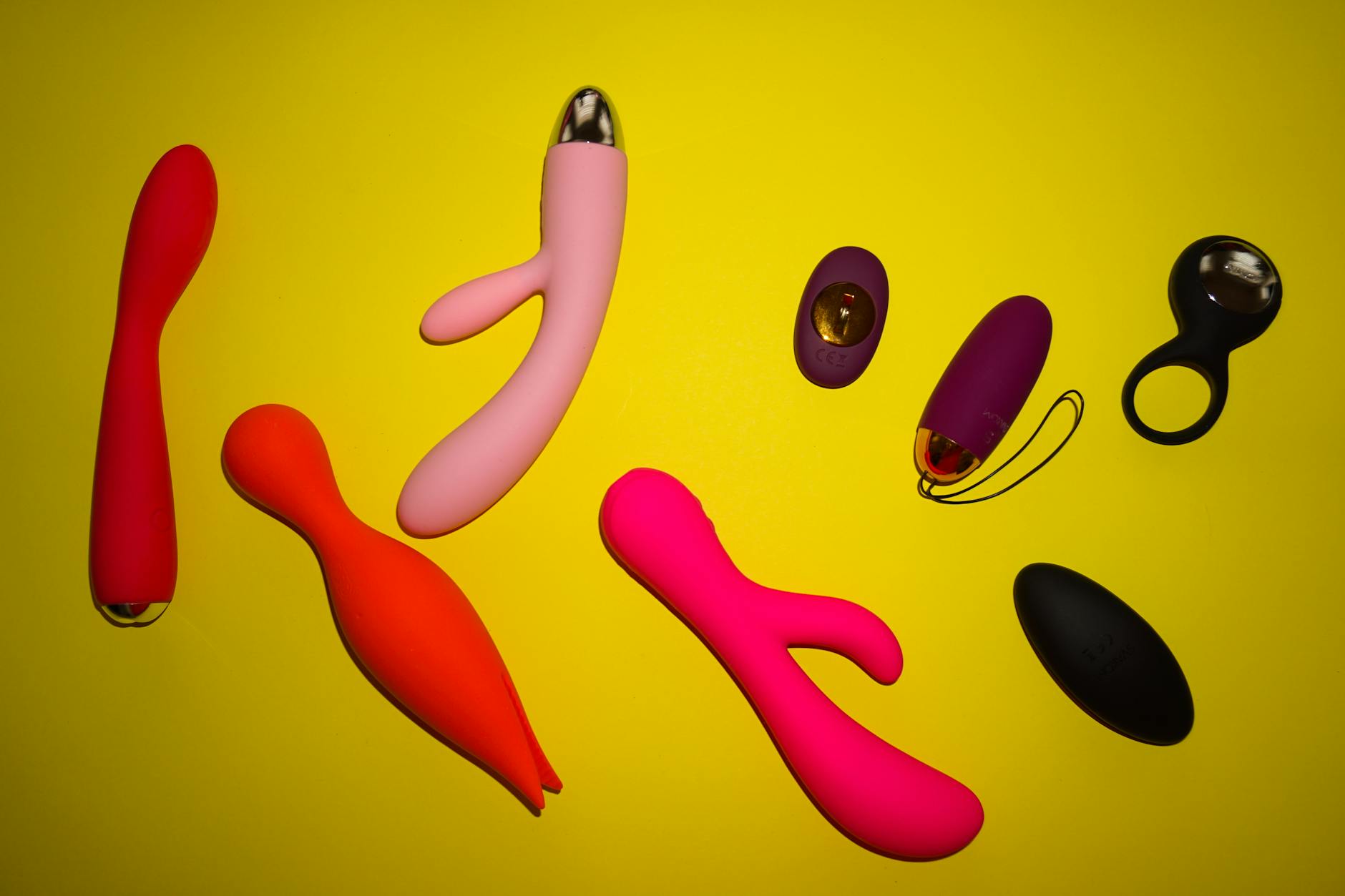
Photo by FounderTips on Pexels
The timeline: what to expect
Most medications stabilize in 2-6 weeks. Your pleasure response usually stabilizes around the same time frame, sometimes a bit longer.
Week 1-2: Everything feels muted. You might feel disconnected from your body. Arousal is slower. Sensation is quieter. This is normal. Your brain chemistry is shifting. Using the Lem now isn't about chasing explosive orgasms. It's about maintaining connection to your body. Shorter sessions, lower intensity. Think of it as a check-in, not a performance.
Week 3-4: A plateau. The worst numbness passes, but pleasure still doesn't feel quite like you. This is where patience matters most. Continue using a lemon clitoral vibrator regularly, but don't expect immediate results. You're training your nervous system to respond to new medication. That takes time.
Week 5-8: Responsiveness returns. For most people, sensation gradually sharpens again. Arousal speeds up. Orgasms, if they were delayed, usually come back. Some people report even stronger orgasms after adjustment because they're no longer anxious about whether they'll happen.
Beyond week 8. If pleasure hasn't noticeably improved, talk to your doctor. Dose adjustments, switching medications, or adding something specifically to counteract sexual side effects (like bupropion alongside an SSRI) are real options. You don't have to white-knuckle through it.
Practical strategies for the adjustment window
Start with water-based lube. Medications can dry out genital tissue temporarily. A high-quality water-based lubricant makes the Lem feel better and protects sensitive tissue. Reapply as needed. No shame in that.
Expect longer warm-up time. If you normally need 10 minutes of foreplay, budget 20-30 now. Your body will catch up. Don't interpret slowness as broken. It's just recalibrating.
Use lower intensity settings. The Lem has multiple patterns and pressure levels. During medication adjustment, start at pattern 1 or 2. Save the high-intensity patterns for later. You'll get there.
Don't skip sessions. This feels counterintuitive when pleasure isn't happening, but consistency matters. Even 5-10 minute sessions help your nervous system remember what pleasure feels like. Think of it as physical therapy for sexual response.
Track what changes. Keep a simple note on your phone: Did orgasm feel easier? Did arousal come faster? Did sensation feel sharper? Small wins matter. They tell you the adjustment is working.
When to involve your doctor
Most medication-related pleasure changes resolve on their own. But some don't, and that's worth addressing.
Contact your doctor if:
- Pleasure hasn't improved after 8-12 weeks on the medication
- Side effects are worsening over time instead of improving
- You're having pain during use (medication can sometimes trigger other issues)
- You're so distressed by the change that it's affecting your mood or relationship
Good conversations start simple: "I've noticed my sexual response has changed since I started this medication. Is this expected? Are there options to manage it?" Your doctor won't be shocked. They hear this regularly. Solutions include dose adjustments, switching medications, or adding a second drug specifically to counteract sexual side effects. None of these are failures. They're normal medical problem-solving.
The relationship conversation
If you have a partner, they need to know what's happening, not guess.
Don't frame it as "I'm broken." Frame it as "My body is adjusting. Here's what that means right now." Honesty prevents resentment and confusion. Your partner doesn't need to understand neuropharmacology. They do need to know that slower arousal or less intense sensation is temporary and medication-related, not about them.
Using a lemon vibrator solo during this phase doesn't mean your relationship is failing. It means you're taking care of yourself while your body settles. Many partners appreciate that honesty and actually want to help. Some people find that using a lemon clitoral vibrator together, or simply knowing you're addressing it, actually deepens connection.
The mindset shift that helps most
Here's what I tell people: starting medication is a commitment to your mental health or physical health. Your pleasure matters too. Those aren't in conflict.
Using a lemon vibrator during medication adjustment isn't a workaround or a consolation prize. It's active self-care. You're maintaining sexual wellness while your brain chemistry stabilizes. That's wise. That's compassionate to yourself.
Most people get their full pleasure response back once adjustment is complete. Some people report feeling more present and connected to pleasure afterward because they're no longer fighting anxiety or symptoms. The Lem doesn't make medication work. But it does help your body stay engaged with pleasure while everything else is shifting.
People also ask
How long does it take for sexual side effects from medication to go away?
For most people, 4-8 weeks. Your body usually acclimates to medication around the same time sexual side effects resolve. SSRIs and SNRIs can sometimes take longer to fully stabilize pleasure response. If nothing has improved after 12 weeks, that's worth discussing with your doctor. Some people need a dose adjustment or medication switch. Others benefit from adding something specifically to counteract sexual side effects.
Can I use a lemon vibrator if I'm on blood pressure medication?
Absolutely. In fact, lemon clitoral vibrators can be particularly helpful because they provide direct stimulation that doesn't require as much natural arousal to work. Blood pressure meds reduce genital blood flow, so sensation might be softer. A Lem gives you targeted, consistent input. Use lube, start on lower intensity, and gradually increase as your body responds.
Will using a lemon vibrator make my medication less effective?
No. Sexual pleasure and medication response are separate systems. Using the Lem won't interfere with how your antidepressant or blood pressure medication works. If anything, maintaining sexual wellness might support overall wellness while your body adjusts.
Should I tell my doctor I'm using a lemon vibrator while adjusting to new medication?
You don't have to, but there's no harm in it. Some doctors actually recommend vibrators alongside medication adjustment because they help maintain sexual function during the transition. If you're having pain or unusual symptoms while using one, mention it to your doctor. Otherwise, it's between you and your body.
Is it normal to have zero desire on new medication?
It's common, not normal in the sense of permanent. Total desire loss usually happens in the first 2-3 weeks as your body adjusts. If it persists beyond that, mention it to your doctor. Sometimes a small dose adjustment or timing change (taking meds at night instead of morning, for example) makes a huge difference. You shouldn't have to choose between your mental health and your sexuality.
Can I use a lemon vibrator with antidepressants and blood pressure meds at the same time?
Yes. Many people take both without issues. The Lem's gentle, suction-based design actually works well because it doesn't require as much natural arousal or blood flow to feel good. Use lube, start low on intensity, and give yourself permission for slower responses. Your body will catch up as it adjusts.
The path forward
Starting new medication is brave. It's also messy. Your body is recalibrating. Your pleasure response is adjusting. That's real, and it matters.
Using a lemon clitoral vibrator during this time isn't about forcing pleasure or proving that everything's fine. It's about staying connected to your body while it transforms. Most people get their full pleasure response back. Many feel more confident in their sexuality afterward because they took action instead of just waiting and worrying.
Be patient. Be honest. Use tools that work. Your sexuality is part of your health. It deserves the same care and attention as everything else.
Have questions? Reach out to our team. We're here.