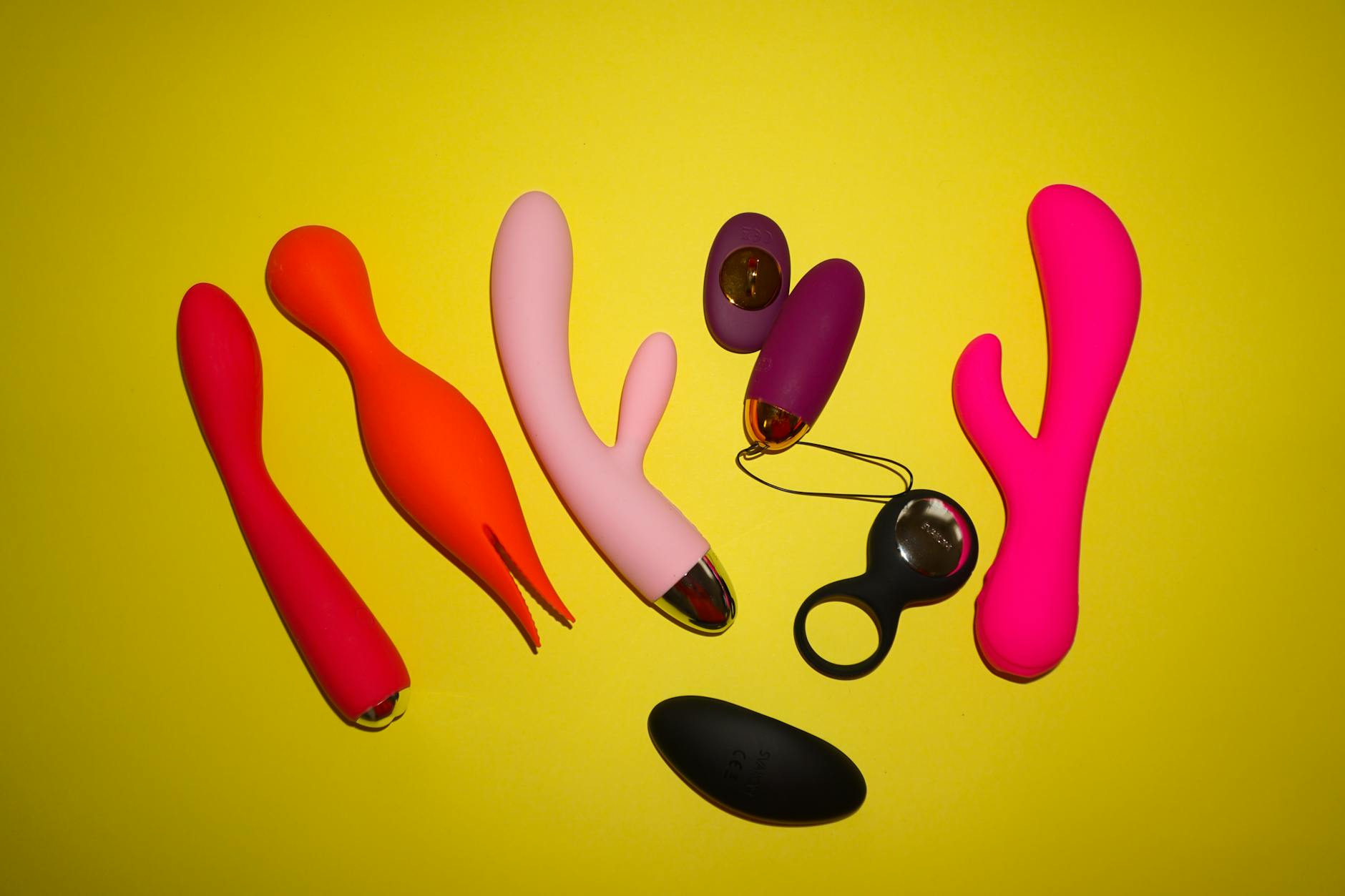
Here's what nobody tells you about trying your first vibrator
You're not supposed to know what you're doing. That's the honest truth. Most people approach their first lemon vibrator like they're supposed to instantly understand the settings, know exactly where to place it, and experience some kind of immediate fireworks. Then when it doesn't work that way on day one, they assume something's wrong with them.
Nothing is wrong with you. You're just new.
Why a lemon vibrator changes things
A clitoral vibrator works differently than manual stimulation because it uses frequency and suction (depending on the model) instead of pressure and friction. Your clitoris has about 8,000 nerve endings concentrated in a space the size of a pea. A vibrator talks to those nerves in a language your hand alone can't quite match. That's not magic. That's physics.
The lemon sucker design specifically uses gentle suction combined with pulsing patterns. If you've never experienced that sensation before, your body needs time to recognize what it's enjoying. Some people feel the difference immediately. Others take a few sessions before their nervous system catches up. Both are completely normal.
Starting with the right lemon vibrator
Not every clitoral vibrator is right for a beginner, and the fanciest one definitely isn't the best choice for your first try. You're looking for three things.
First, predictable power levels. A lemon vibrator with 3-5 clear intensity settings is easier to learn on than one with 15 hidden programs. You want to understand cause and effect. Press button, vibration increases. That's it. No surprise patterns lurking on setting six.
Second, intuitive controls. Buttons on the toy itself are easier than remote controls or app-based settings when you're solo and figuring things out. A single button that cycles through settings is your friend.
Third, silicone material. Medical-grade silicone feels better on skin and is easier to clean than TPE. Spend the extra 20 pounds now instead of replacing it in a year.
The first session: what to actually do
Clear your schedule. Not "squeeze this in between emails" clear. One full hour where you don't have somewhere to be. This isn't about productivity. You're teaching your body something new.
Start with a warm bath or shower first. Heat relaxes tissue and gets blood flowing to the area. While you're in there, just touch yourself normally. No vibrator yet. This reminds your nervous system that pleasure is the goal, not performance.
When you're dry and comfortable, try the lemon vibrator on the lowest setting on the outside area first. Not directly on the clitoris. Around it. The inner labia, the mons pubis, the whole surrounding landscape. Spend 10 minutes here. You're mapping sensitivity and letting your body get used to the sensation. It should feel interesting, not uncomfortable.
Building comfort takes time
After that first gentle exploration, take a break. This is important. You're not trying to have an orgasm in the first session. You're trying to become comfortable with the sensation. Think of it like learning to enjoy a new food. You taste it, notice the flavors, maybe try it again tomorrow. The enjoyment builds.
Over the next week, spend 10-15 minutes exploring at different intensities and locations. Pay attention to what feels good versus what feels strange. Your clitoris might enjoy deeper pressure while the surrounding tissue prefers a lighter touch. You might find that patterns feel better than constant vibration. You might discover that you prefer a slower rhythm. None of this information is obvious from the outside. Only you can find it.
The resistance you might feel
Some people feel self-conscious the first few times. You're holding a device that's explicitly for pleasure. Our culture doesn't exactly celebrate that casually. If that's you, remind yourself that exploring your own pleasure is not selfish, not weird, and not something to rush through or minimize.
Others feel numbness. The vibration isn't unpleasant, but it's not creating sensation either. This usually means you're tensing your pelvic floor muscles. Your body is bracing instead of opening. Try taking a few deep breaths, loosening your legs, and imagining the vibration spreading through your whole body instead of staying localized. Sometimes it helps to remove the vibrator, do some gentle stretching, and try again tomorrow.
If you feel pain, stop. Not all pain is a sign to push through. Sharp, burning, or throbbing sensations mean something's wrong. Try a different location or reach out to a pelvic health specialist if pain keeps appearing.
The progression from curiosity to real pleasure
By week two or three of regular exploration, something shifts. Your nervous system recognizes what's happening. The vibration stops feeling foreign and starts feeling intentional. This is where most people start experiencing genuine pleasure. Orgasms might not happen immediately, but the sensations become less puzzle and more satisfaction.
Once you're comfortable with the lemon vibrator at different intensities and locations, you can start experimenting with patterns if your toy has them. You can try it with lubrication to see if that changes the feeling. You can use it as part of partnered sex if that's in your life. You can get curious about what you actually enjoy instead of guessing.
What you learn about yourself matters
Here's the part that changes everything. A lemon clitoral vibrator isn't just about reaching orgasm. It's a tool for learning your own pleasure map. When you discover that you prefer circular patterns to pulsing, or that you enjoy building intensity gradually instead of jumping to maximum, you learn how to communicate that preference to partners. You learn what your body actually wants instead of what you think it's supposed to want.
Many people find that using a lemon vibrator makes partnered sex better too. Not because the vibrator replaces anything. But because you've figured out what works for your body, and now you can show someone else.
When to reach out for help
If you've spent two weeks regularly exploring with your lemon vibrator and it's just not clicking, that's okay. Some people take longer. Others find that a different vibrator style works better. Consider trying a different intensity level or even a different type of toy if you have access to one.
If you're experiencing persistent numbness, pain, or complete lack of sensation, mention it to your GP. Sometimes underlying things like nerve damage or medication side effects need addressing. A good sexual health specialist can help figure out if a clitoral vibrator is the right tool for you right now, or if something else needs attention first.
The long game
Your first lemon vibrator is not your forever vibrator. You might outgrow it. You might discover you prefer a different style. That's normal progression, not failure. But most people find that the first few weeks of slow, curious exploration with a beginner-friendly tool like a lemon sucker set the tone for how they relate to pleasure going forward.
You're not supposed to get it right immediately. You're supposed to get curious.
People also ask
How long does it take to feel pleasure with a lemon vibrator for the first time?
Everyone's timeline is different. Some people feel notable pleasure in the first session. Others take two to three weeks of regular exploration before the sensation clicks. The key is consistency and patience. Your nervous system needs time to recognize what's happening and understand that it's safe to enjoy it. Think of it like exercise. Your body doesn't build strength in one gym session either.
Should I use lubricant with my lemon vibrator?
Yes, eventually. But not necessarily on day one. Start dry so you can feel the vibration clearly. Once you're comfortable with the basic sensation, water-based lubricant can enhance the experience and reduce any friction that feels uncomfortable. Avoid silicone-based lubricants with silicone toys. Stick to water-based.
What if the vibration feels too intense?
Use the lowest setting. Seriously. The power level that feels uncomfortable on setting five might feel wonderful on setting two. There's no prize for using the highest intensity. Start at the bottom of the range and work your way up only if you want to. Many people find their favorite sensation is actually in the middle of the available settings, not at the maximum.
Can I use a lemon vibrator if I've never masturbated before?
Absolutely. Some people find that a vibrator is actually easier to start with than manual exploration because the sensation is clear and consistent. Start in a relaxed environment without pressure or timeline expectations. The only goal is to learn what feels good. That's true whether you're brand new to your body or you've been exploring for years.
Is it normal to not feel anything the first time?
Completely normal. Your pelvic floor muscles might be tensing, your nervous system might need time to recognize the sensation, or you might need a different intensity level. Keep exploring gently over the next week. If nothing shifts after consistent attempts, try a different location on your body or consider talking to a pelvic health specialist about whether there's something else going on.
How do I clean my lemon vibrator before the first use?
Wash it with warm soapy water and dry it completely. If you want to be extra careful, wipe it down with a toy cleaner designed for silicone. That's it. No need to sterilize or overthink it. Your body has its own microbiome and it's resilient. Clean is enough.