The conversation nobody wants to have
You've been thinking about trying a lemon vibrator. Maybe you've read about how the clitoral suction feels different from traditional vibration, or you've just noticed that solo exploration with one feels incredible. Either way, you know what you want. But there's a problem: your partner isn't on board.
Maybe they think it's a judgment on them. Maybe they assume toys are for people whose partners don't satisfy them. Maybe they've never encountered the idea and it just feels foreign. Or maybe they've explicitly said no. The resistance is real, and it's making you feel trapped between your own pleasure and keeping the peace.
Here's the thing: this doesn't have to be a dealbreaker.
Why partners resist, and what it actually means
When someone bristles at the suggestion of a lemon vibrator or any adult toy, they're almost never actually afraid of the toy itself. What they're usually sensing is a gap between your expectations and theirs. That gap feels like rejection to them, even if that's not what's happening at all.
The resistance usually comes from one of three places:
Insecurity masquerading as principle. Your partner might worry that introducing a toy means you're unsatisfied with them, that you're reaching for something because they're not enough. This is about their pleasure anxiety, not about the toy. They're hearing the sentence "I want to use a vibrator" as "You're not doing it right."
Unfamiliarity plus control. Some partners resist because sex has always been done a certain way, and introducing something new feels destabilizing. They like the script they know. A toy rewrites the script without their permission, which triggers a loss-of-control response dressed up as judgment.
Actual values conflict. Less common, but real. Some people genuinely believe that sex should only happen between bodies, that toys are artificial or unnecessary. This is worth taking seriously as a conversation, but it's also worth questioning whether this belief is actually theirs or inherited.
Reframing the conversation
Most people approach this wrong. They lead with the toy. "I want to try a lemon vibrator." That puts the partner immediately on defense because it feels like a proposal, a request to be granted or denied.
Instead, start with the feeling. "I've noticed that my body responds really well to a certain kind of stimulation, and I want to explore that more. I'm interested in trying something that might help us both feel better during sex."
Notice what shifts: the conversation is no longer about the toy. It's about pleasure, about the both of you, about what you're discovering. The lemon clitoral vibrator becomes a tool in service of that, not the point itself.
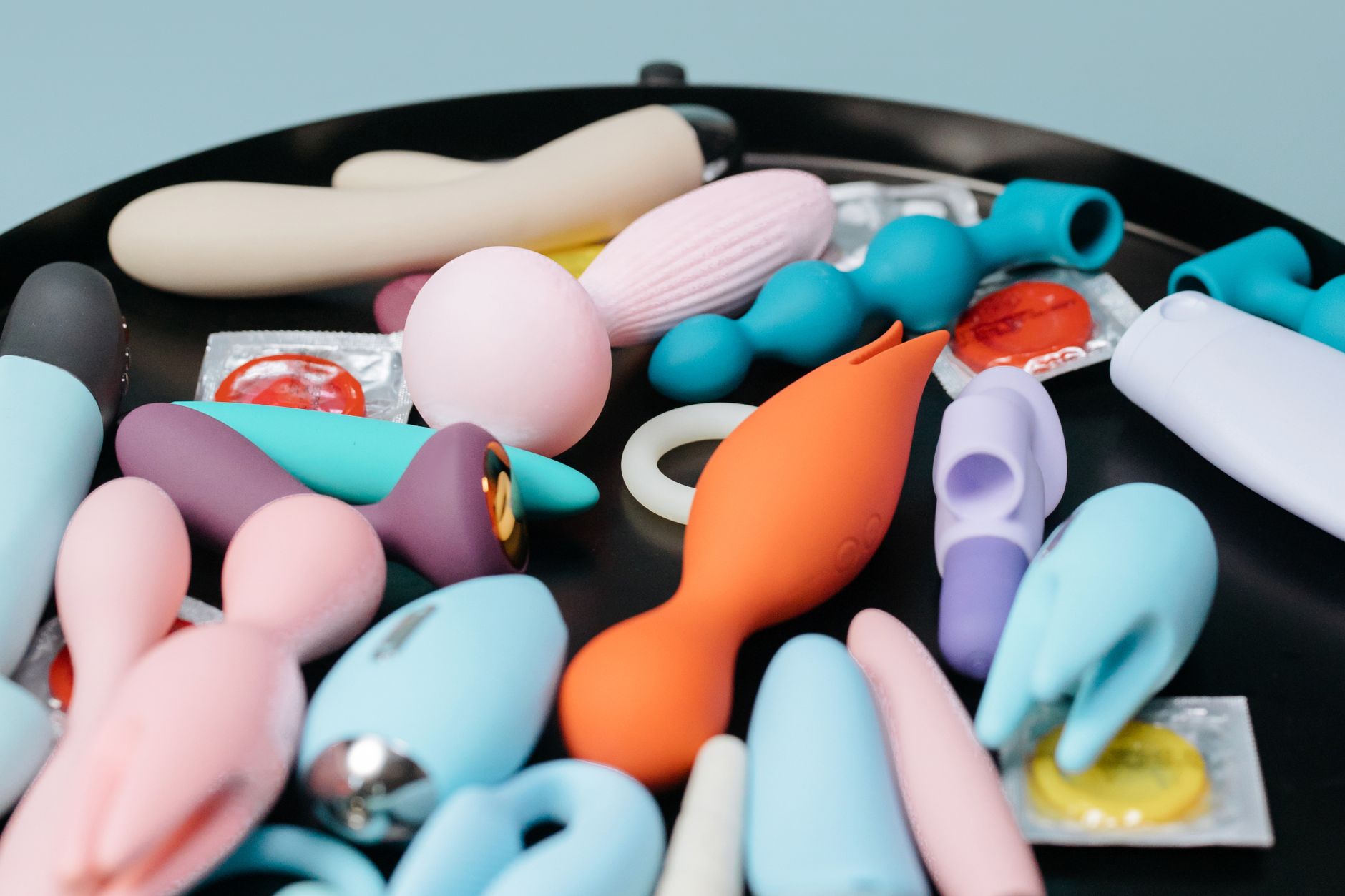
Photo by cottonbro studio on Pexels
The three-part conversation that actually works
I recommend breaking this into three separate conversations, not one marathon discussion.
Conversation One: The Why. Schedule it for a calm moment, not in the bedroom. "I want to talk about something that's been on my mind. I've been curious about my own pleasure and how my body works. I'm not unhappy with what we have. I'm actually interested in deepening it." Then listen. Let your partner ask questions without jumping to defend yourself. You're building curiosity, not making a case.
Conversation Two: The Details. Wait a few days. Now you can introduce specifics. Explain what a lemon vibrator actually does. Most partners are working with misinformation. They picture either a vibrating stick that's going to replace them, or something clinical and depressing. Explain that the suction-cup design works differently than traditional vibration, that it feels more concentrated, that many people find it helps them orgasm more easily. You're educating, not selling.
Conversation Three: The Together Part. After they've had time to sit with it, ask if they'd be willing to try it together. This is key: it's not "can I use this alone," it's "would you be willing to explore this with me." The shift from my to we removes the threat. Your partner gets to participate, to see it firsthand, to be part of the discovery rather than watching from the sidelines while you disappear into solo pleasure.
What to do if they still say no
Your partner has the right to their boundaries. But you also have the right to your own pleasure.
This is the hard part. If your partner flatly refuses and you're genuinely interested, you have a real choice to make. You can:
Respect the boundary completely. Some people decide that keeping the relationship stable matters more than exploring this particular thing. That's valid if it's a genuine choice, not coercion dressed up as compromise.
Explore solo, privately. You can use a lemon vibrator on your own time without making it a relationship issue. Many people do. The challenge here is that it works best when there's no shame attached, and if you're hiding it, shame often follows.
Name it as a real incompatibility and decide what to do. Sometimes a flat refusal to explore anything new signals a bigger relationship problem. Sexual shame, control issues, lack of genuine curiosity about your partner's body. These are worth addressing with a couples therapist, not just accepted quietly.
The middle ground of "I'll reluctantly allow this" without genuine buy-in rarely ends well. It breeds resentment on both sides.
If they come around: the introduction
Once your partner agrees to try, don't make it a performance. You're not putting on a show or proving anything.
Start outside the bedroom. Hold it, feel the weight of it together. Explain how it works. Let them see that it's just a tool, not a threat. Some partners find it helpful to use it on their partner first, which inverts the dynamic entirely. Suddenly they're not being replaced, they're the one bringing pleasure.
When you do use it together, keep the focus on connection. They might feel a little left out or unsure what their role is. Invite them in. "Touch my leg while I use this." "Tell me what you see." "Let me know what you like about watching." You're building shared experience, not shutting them out.
The first time using a lemon vibrator with a critical partner, expect some awkwardness. It's normal. You're introducing something new, there's unfamiliar territory, and old insecurities might surface. That's okay. It usually settles by the third or fourth time you use it together.
Building permission within yourself
Here's something I tell clients constantly: your partner's resistance might be telling you something important about yourself.
Some people resist advocating for their own pleasure because they've internalized the idea that good partners don't need extra help, that real connection is effortless, that if you require a vibrator then something is wrong with you or your relationship. None of that is true. But if you believe it, your partner will sense that belief and use it as permission to resist right alongside you.
The most important conversation about the lemon vibrator isn't with your partner. It's with yourself. Do you believe your pleasure matters? Do you think you deserve the experience your body is asking for? Do you trust that wanting something sexual doesn't make you broken or needy?
If the answer to those questions is no, introducing a toy isn't going to fix anything. Your partner will feel your doubt and mirror it back.
But if the answer is yes. If you genuinely believe your pleasure deserves attention and exploration. If you approach this from a place of curiosity rather than desperation. That shifts everything. Your partner will feel the difference.
When to get professional help
If you've had multiple conversations and your partner remains dismissive or punishing about the topic, that's not really about the vibrator. That's about control, shame, or significant incompatibility around sexuality. Those things are worth addressing with a couples therapist who specializes in sexual health.
A good therapist can help you both understand what's underneath the resistance. Often there's childhood stuff, previous relationships, body image, or real fears about sexual performance that have nothing to do with clitoral vibrators. Once those are on the table, the resistance usually softens naturally.
The plot twist
Some of my most resistant clients report that once their partner saw them using a lemon vibrator and noticed how their body responded, the dynamic shifted completely. Suddenly their partner became curious. The insecurity flipped into genuine interest in co-creation.
Your partner might surprise you. They might feel honored to be let into your pleasure. They might want to learn how to use it on you. They might just enjoy watching.
You don't know until you try. And you can't try if you never have the conversation.
FAQ: Common questions about vibrators and critical partners
Will using a lemon vibrator damage my partner's ego?
Not if the conversation is handled right. The damage happens when partners feel blindsided or excluded. If you frame it as exploration you want to do together, and you invite them in, most partners eventually come around. Their ego is usually more threatened by feeling left out than by the toy itself.
What if my partner thinks vibrators are weird or unnatural?
Reframe the conversation. Ask them if they think glasses are weird, or pain medication, or any other tool that helps you experience your body better. A vibrator is a tool. Many people use them solo and with partners. There's nothing unnatural about wanting more pleasure or exploring how your body works. The thing that's unnatural is pretending you don't want it.
Can I use a lemon vibrator with a partner who's never seen one before?
Yes, but go slowly. Show it to them first outside the bedroom. Explain what it does. Let them ask questions. Then during sex, introduce it gently. You might start by using it on yourself while they watch, so they can see how you respond. Then invite them to participate or watch. The slower you go, the less threatening it feels.
My partner says they feel replaced by the toy. How do I address that?
Direct conversation: "That's not what's happening. I'm not replacing you. I'm adding something that helps my body feel better. We can use this together, or I can use it and you can be part of that experience." Then actually do that. Make sure they have a role. Make sure they're not sitting on the sidelines feeling abandoned.
What if my partner gets turned on watching me use a lemon vibrator?
That's beautiful and common. Some people are curious and skeptical until they actually see their partner's response. Pleasure is contagious. Let that happen. Don't be weird about it. Just enjoy it.
How do I know if my partner's resistance is a dealbreaker?
Ask yourself: Can I live long-term in a relationship where I have to hide a core part of my sexuality? If the answer is no, that's real information. It doesn't mean you have to leave immediately. It means you might want couples therapy or a serious conversation about what you both need. If the answer is yes, then you have options. Respect the boundary, explore solo, or find compromise. But know what you're choosing.
The real issue beneath the resistance
Most resistance to sex toys isn't actually about sex toys. It's about vulnerability, control, intimacy, and whether both people in the relationship feel safe exploring together.
Introducing a lemon vibrator won't fix a relationship that has deeper problems. But a healthy relationship can absorb new tools, new curiosities, new ways of being intimate.
Your job is to have the conversation clearly, kindly, and without shame. Then listen to what your partner actually needs to feel safe. Sometimes that's education. Sometimes it's participation. Sometimes it's reassurance. And sometimes it's accepting that you and your partner have genuinely different needs and deciding what to do about that.
The vibrator is just the vehicle. The real work is building enough trust that you can talk about pleasure without defensiveness getting in the way.