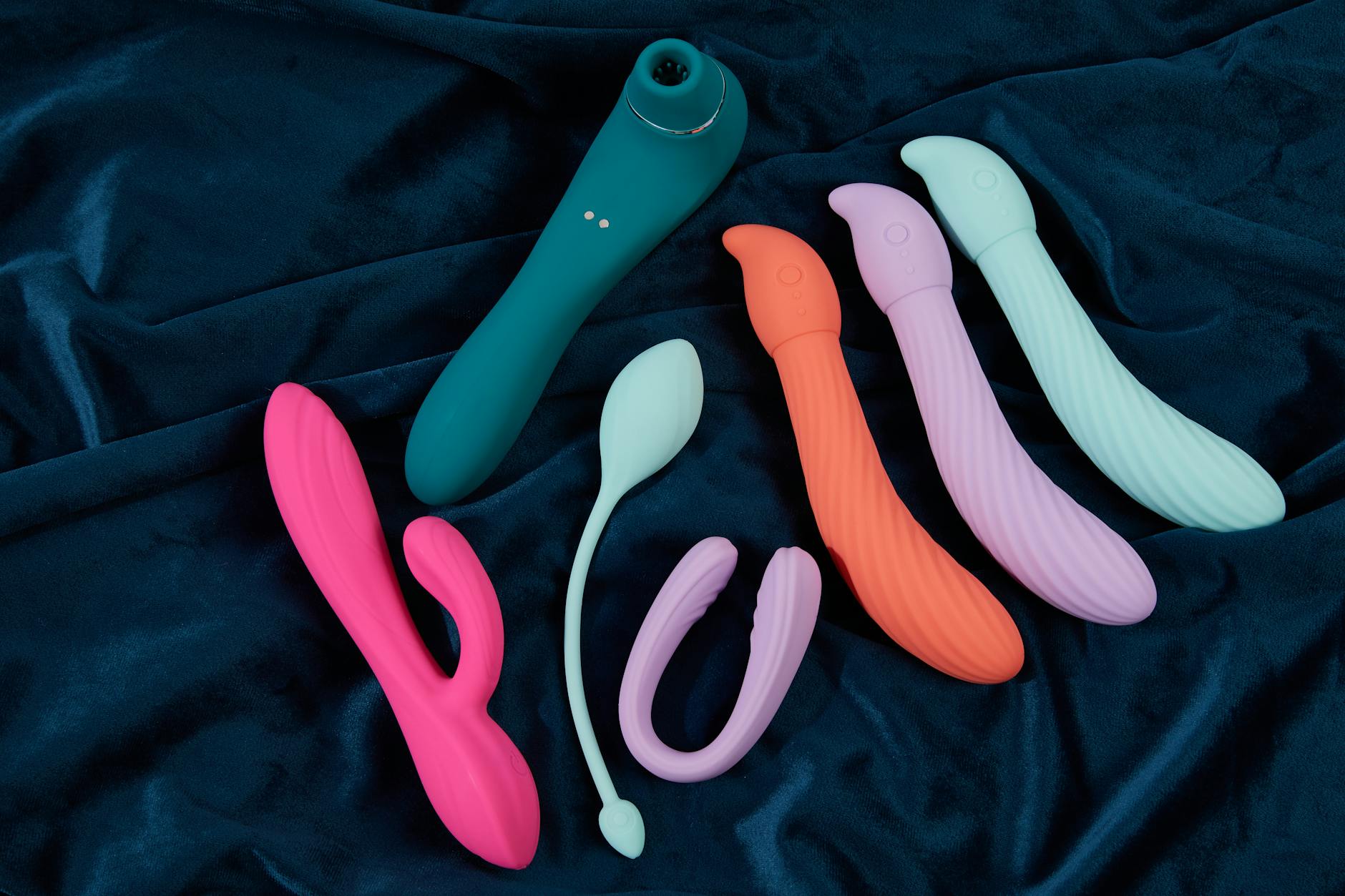
Here's what sensitive skin actually needs from a vibrator
If your skin is reactive, you've probably been told to avoid vibrators altogether. That's not true. What's true is that sensitive skin needs a different approach. The good news: lemon vibrators from Hello Nancy are designed with this in mind. They use medical-grade silicone (hypoallergenic, non-porous), gentle suction patterns instead of harsh vibration alone, and lower power ranges that don't overstimulate reactive tissue.
Before you use any clitoral vibrator with sensitive skin, you need to know three things: how to prepare your body, which settings are safest, and how to recognize the difference between normal adjustment and actual irritation.
Why sensitive skin reacts to vibrators (and what you can do about it)
The clitoral area has thinner skin than most of your body and significantly more nerve endings. When that skin is reactive, irritation isn't a sign something is broken. It's usually a sign that friction, direct pressure, or the wrong silicone formula is creating microtears or inflammation.
Most vibrators use generic silicone and deliver vibration in rapid, high-intensity waves. Sensitive skin can feel that as harsh. The lemon vibrator works differently. It uses suction and gentle pulsing, which distributes pressure across a wider surface area instead of concentrating it in one spot. This is why many people with sensitive skin report that a lemon clitoral vibrator feels safer and more comfortable than traditional vibrators.
But comfort is about more than the toy itself. It's about how you prepare and how you use it.
Step 1: Cleanse and dry properly before use
Don't skip this. Dirt, sweat, or residual lubricant from previous sessions can trap bacteria against sensitive skin and create irritation that has nothing to do with the vibrator itself.
Use warm water and a gentle, unscented cleanser. If you have dermatitis or eczema on or near the vulva, use only water and your hands. Pat dry completely with a clean towel. Moisture left behind can create the friction that irritates sensitive skin, so take an extra 30 seconds here. If you're using the lemon vibrator after sex or with a partner, this step is non-negotiable.
Step 2: Choose the right lubricant (or skip it entirely)
Here's the thing: lube is not always necessary. Many people with sensitive skin find that lube introduces irritants. But if you do use it, stick to one option: water-based lubricant, fragrance-free, dye-free.
Avoid anything with glycerin (it can feed yeast overgrowth in sensitive systems), petroleum-based formulas, and anything scented or flavored. Test the lubricant on a small area of your forearm first. If your arm skin reacts, your vulva will too.
If you're using a lemon vibrator and your skin is very reactive, try starting without lubricant. The suction alone often provides enough glide. You can always add a tiny amount mid-session if needed.
Step 3: Start with the lowest intensity setting
This is where patience pays off. The lemon vibrator has multiple intensity levels for a reason. People with sensitive skin should always begin at level 1 or 2, not the middle or high settings.
Apply the lemon vibrator to the hood of the clitoris first, not directly on the glans. The glans is the most sensitive part, and jumping there with any intensity is asking for irritation. The hood has thicker skin and can handle stimulation better. Move slowly to the glans only once your body feels warm and responsive.
Keep the first session short: 5 to 10 minutes maximum. This isn't about rushing. It's about letting your skin adapt to a new sensation without overdoing it.
Step 4: Use gentle movement patterns, not direct pressure
Sensitive skin needs movement, not stationary pressure. Instead of holding the lemon vibrator in one spot, move it in small circles, figure-eights, or gentle side-to-side motions. This distributes the sensation and prevents the buildup of pressure in one area that causes irritation.
Many people with sensitive skin find that the pulsing patterns on the lemon vibrator (rather than continuous vibration) feel more comfortable. If your vibrator has pattern options, start with the slowest pulse pattern, not the most intense.
Post-use care: the part everyone skips
Irritation often develops in the hours after use, not during. This is especially true for sensitive skin. After you've finished, give yourself a cool-water rinse (not a full shower, just a gentle rinse). Pat dry and wait a few minutes before getting dressed. Trapped moisture or sweat creates an environment where irritation can develop.
If you notice any redness, itching, or burning in the hour after use, apply a thin layer of fragrance-free moisturizer or a hydrocortisone cream (0.5%) if you know you have mild dermatitis. This helps calm the skin immediately.
Signs you're doing it right vs. signs to stop
Normal adjustment: mild warmth, slight flushing that goes away within an hour, no discomfort during or after.
Irritation you should address: itching or burning that lasts more than 30 minutes after use, visible rash or hives, any crack or rawness, discomfort that increases over several sessions.
If you're in the second category, stop use for a few days and let the area fully heal. Then try again with an even lower intensity, shorter duration, or a different intensity pattern. If irritation keeps happening, you may need to see a dermatologist to rule out vulvovaginitis or contact dermatitis.
The frequency question: how often is safe for sensitive skin
Sensitive skin needs recovery time. Start with once a week, maximum. Watch how your skin responds over two or three sessions. If there's no irritation, you can slowly increase to twice a week. If irritation develops, stick with once a week and lower the intensity further.
Some people with reactive skin find they can comfortably use a lemon vibrator several times a week. Others do better with once-weekly sessions. This is personal. Your skin will tell you the rhythm that works.
What makes lemon vibrators different for sensitive skin
If you've tried other clitoral vibrators and had problems, a lemon vibrator from Hello Nancy might feel different. The suction mechanism distributes force across the entire opening of the cup, not in one concentrated beam. The patterns tend toward slower, pulsing rhythms. The silicone is specifically formulated to be hypoallergenic.
But the vibrator is only part of the equation. Your prep routine, setting choices, movement style, and recovery care matter just as much. Combine a well-designed toy with the technique in this guide, and sensitive skin stops being a barrier to pleasure.
FAQ: Sensitive Skin and Lemon Vibrators
Can I use a lemon vibrator if I have eczema or dermatitis on my vulva?
Yes, but with extra care. If your dermatitis is active (red, itchy, or weeping), wait until it calms down. Once it's healed, start with the absolute lowest setting, skip lubricant, and keep sessions very short. If irritation returns, stop use and see a dermatologist. The issue may not be the vibrator but an external irritant (like a fragrance in your clothing) that the vibrator is making worse.
Is silicone safe for sensitive skin?
Medical-grade silicone is hypoallergenic and much safer than lower-quality silicone or other materials. That said, some people with extreme skin sensitivity react to silicone itself. If you have a known silicone allergy, this won't be the toy for you. But most sensitive skin responds well to medical-grade silicone.
How do I know if redness after use is normal?
Slight flushing that disappears within 30 minutes is normal. If redness persists, intensifies, or comes with itching or swelling, stop use. The next time you try, lower the intensity or shorten the duration. If the problem repeats, take a break for a week and let your skin fully recover.
Can I use my lemon vibrator more than once a week if my skin tolerates it?
Yes. If you've used it weekly for three or four sessions with no irritation, you can try twice weekly. Listen to your skin. Some people with very reactive systems do better with once weekly. Others find they can comfortably use a clitoral vibrator several times a week. The key is starting low and watching for changes.
What if my lemon vibrator causes itching only after the first few uses?
That's often adjustment. New sensation can feel slightly unusual. If the itching resolves within an hour and doesn't happen on the second use, your skin is likely adapting. If itching persists or gets worse with repeated use, switch to an even lower intensity and see if that helps. If nothing helps, pause for a week and try again with very careful prep.
Should I use a barrier (like a condom) over my lemon vibrator if I have sensitive skin?
Barriers can trap moisture and increase irritation. They're not necessary for solo use and are generally worth skipping. If you're using the vibrator with a partner who has a known infection, that's a different situation. Discuss barrier options with your partner first.
The bottom line
Sensitive skin is not a reason to avoid pleasure. It's a reason to be intentional about how you approach it. Preparation, low intensity, gentle movement, and good aftercare transform a lemon vibrator from a potential irritant into a reliable source of comfort and satisfaction.
If you're ready to try a clitoral vibrator but worried about your skin, start with the protocol in this guide. Give it three or four sessions before you decide whether it works for you. Your sensitive skin deserves pleasure too. If you have questions or run into issues that aren't covered here, reach out to us.