Here's the thing nobody tells you about anxiety and sex
Your nervous system doesn't know the difference between a work deadline and intimacy. When you're stressed, your body goes into fight-or-flight. Blood flow redirects away from your genitals and toward your limbs. Your clitoris doesn't plump. Lubrication slows. Your mind loops on everything except what's happening right now. And then you feel broken, like you should be able to just relax and enjoy this. The truth is simpler and kinder: your body is doing exactly what it's supposed to do when it's in threat mode.
The good news is that sensation itself can be a pathway back. And certain types of stimulation work better than others for rewiring anxiety in the moment.
Why vibration alone often makes anxiety worse
When you're already in a heightened state, traditional vibration can feel like it's adding more noise to an already overwhelmed nervous system. Rapid buzz sends input to your brain, and if your brain is already in overdrive processing threat signals, the extra stimulation can push you further into anxiety rather than deeper into pleasure.
I see this pattern constantly in my practice. Partners often reach for a standard vibrator thinking it will help, but the person receiving the stimulation reports feeling more scattered, more in their head, less able to be present. The vibration becomes another thing to manage rather than a tool for release.
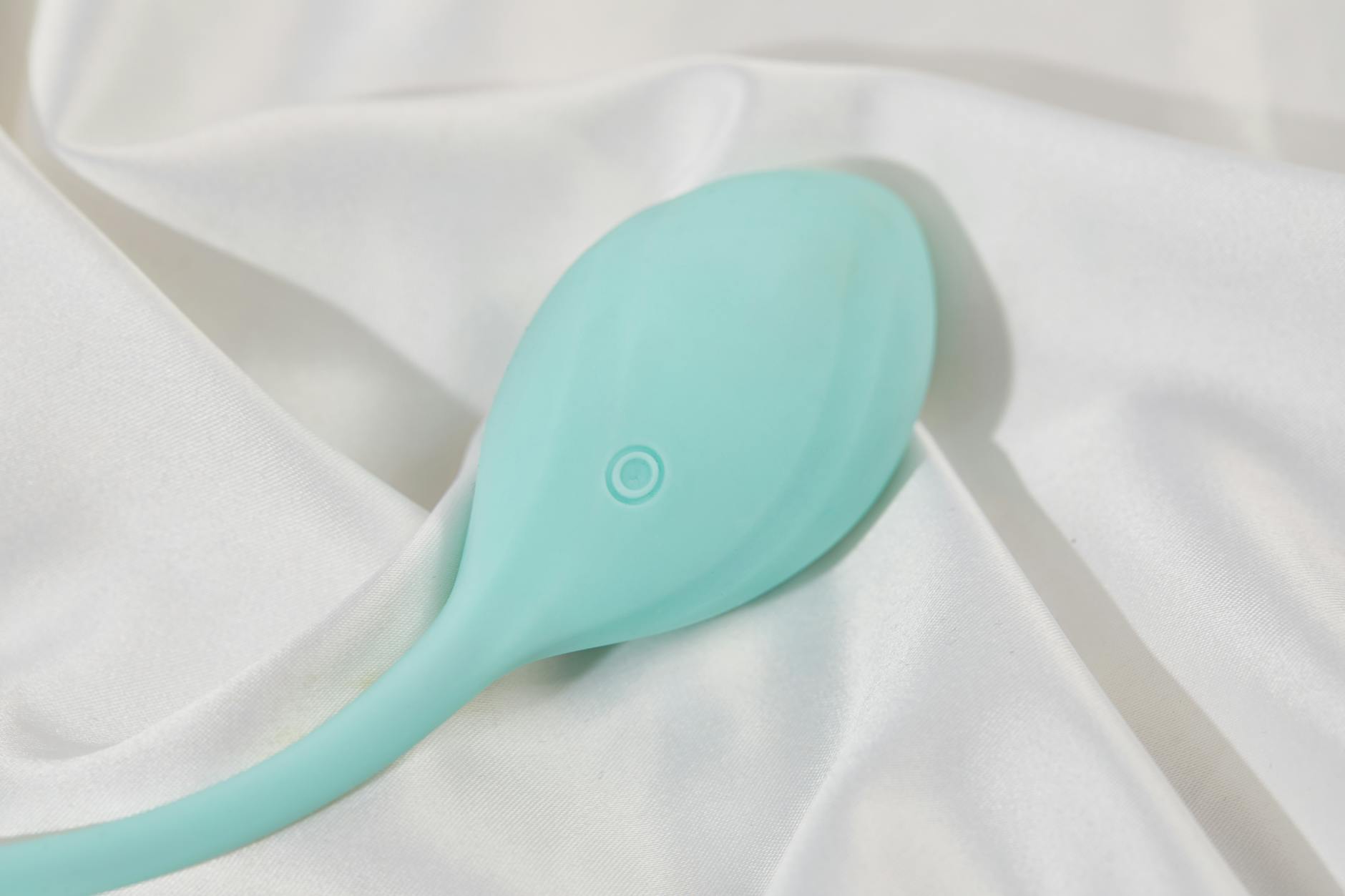
Suction technology like a lemon vibrator works differently. Instead of overwhelming your sensory input, it creates a focused, rhythmic pulse that your nervous system can actually track and anticipate. This predictability is calming. When your brain can predict what's coming next, you move out of threat detection mode and into what neuroscientists call the "rest and digest" state.
How suction grounds you back into your body
Anxiety lives in your head. Pleasure lives in sensation. A lemon vibrator bridges that gap by creating an intensity of sensation that's hard to think over. The suction mechanism pulls gently on the tissue, creating a wave of pressure and release. Your attention follows the sensation naturally, without effort.
That's the mechanical part. But here's what happens neurologically: when you focus on a single point of sensation, your prefrontal cortex (the part of your brain that worries, plans, rehashes) gets quiet. Instead, your insula activates. That's the region responsible for interoception, your ability to feel what's happening inside your body. You move from "thinking about sex" to "experiencing sex." And that shift is everything.
I often recommend the Lem to clients specifically for this reason. Its pattern options let you find a rhythm that feels grounding rather than frenetic. Starting at the lowest setting and staying there for a few minutes helps your nervous system recognize safety.
The three-step practice for anxiety-aware intimacy
Let's make this practical.
Step one: Name what you're feeling before you start. Don't pretend the anxiety isn't there. Tell yourself, "I'm carrying tension from today." Or tell your partner, "My mind is a bit scattered right now." Language signals to your brain that you're conscious and in control, not trapped. It also gives your partner permission to adjust expectations.
Step two: Start with non-sexual touch. Before using a lemon vibrator or any sexual device, spend 3-5 minutes with your partner touching your arms, shoulders, back. This activates your parasympathetic nervous system (the brake pedal) and helps your body recognize that this is a safe environment. If you're solo, a warm shower or a few minutes under a weighted blanket can serve the same purpose.
Step three: Introduce the lemon vibrator at the lowest intensity. Don't jump straight to stronger patterns. Let your body acclimatize to the sensation. Many people find that just having the suction running at pattern 1 or 2 while their partner touches them elsewhere creates the perfect balance: a point of focus that's not demanding, combined with broader reassuring touch. This dual-point stimulation helps integrate your nervous system.
Stay here for as long as it feels good. Five minutes, fifteen minutes, it doesn't matter. The goal is not orgasm. The goal is to return to your body.
When anxiety is deeper than just today
If you're navigating ongoing anxiety, PTSD, or trauma, suction-based stimulation can still help, but it works best alongside other support. A trauma-informed therapist can help you understand which sensations feel safe and which ones trigger protective responses. Some people find that they need to build a foundation of nervous system regulation before sexual pleasure is available, and that's completely valid.
What I notice in my practice is that clients who use lemon clitoral vibrators as part of a broader anxiety-management routine report better outcomes. The vibrator becomes a tool for reconnecting with your body when stress tries to evict you. But it's one tool among many. Breathwork, somatic therapy, and clear communication with partners all matter too.
If you've experienced sexual trauma or have a diagnosis like PTSD, talk to a therapist who understands how to work with somatic sensation before adding any device. You deserve support that's tailored to your history.
The partner conversation that changes everything
If you're in a relationship, this is worth saying out loud: "When I'm anxious, I need us to slow down and focus on sensation rather than performance." Most partners want to help, but they don't know what helps without being told.
Some couples find that using a lemon vibrator together during moments of stress actually strengthens their connection. Instead of anxiety being a barrier, it becomes a reason to pause, reconnect, and practice patience with each other. The device becomes less about achieving pleasure and more about being together in a different way.
That shift in framing matters. You're not "fixing" your anxiety with a vibrator. You're using focused sensation as a tool to move your nervous system back toward regulation.
A note on medication and sensation
If you're on medication for anxiety, SSRIs in particular can dull sensation. A lemon vibrator's intensity can actually be helpful here because the suction creates a strong enough signal that your brain registers it despite the medication's dampening effects. But your starting intensity might need to be higher than someone who isn't medicated. Pay attention to what your body is telling you, and adjust accordingly.
Talk to your prescribing doctor if you feel like you've lost pleasure entirely. Sometimes a dose adjustment or switching medications helps. And know that using a tool like this while medicated isn't cheating or compensating. It's adapting.
How this fits into a bigger pleasure practice
Using a lemon vibrator for anxiety relief is different from using one for orgasm. You're not chasing a destination. You're creating a moment where your nervous system can settle. Over time, these moments of regulated sensation can actually expand your capacity for pleasure overall. Your body learns that it's safe to receive sensation. You practice returning to your body on purpose. That practice compounds.
If you're new to lemon vibrators entirely, starting with them in this context, where the goal is grounding rather than climax, can actually be a gentler entry point than jumping straight to solo exploration. The pressure is off. The success metric is just feeling present, not having an orgasm.
People also ask
Can anxiety permanently damage my ability to have orgasms? No. Anxiety suppresses arousal temporarily, but it doesn't rewire your nervous system permanently. When you practice returning to your body through sensation, your capacity for pleasure typically returns. Some people find that using a device like a lemon sucker gives them a concrete way to practice that return, which actually speeds up the process.
Is it normal to feel more anxious when using a vibrator? Yes, especially if you're new to devices or if you're using one when you're already in a heightened state. This usually means the intensity is too high, the pattern is too unpredictable, or you need more grounding touch from a partner (or more time to yourself) before adding the device. Suction technology is gentler for anxiety-prone people than traditional vibration, but pacing matters.
Should I talk to my therapist about using a lemon vibrator? If you're working with a trauma-informed or sex-positive therapist, absolutely. If you're not sure whether your therapist is sex-positive, you can ask directly. A good therapist will see pleasure and exploration as part of your overall wellbeing, not something separate from mental health.
What if my partner makes me more anxious? Then the anxiety isn't about your body or your ability to feel pleasure. It's about safety in that relationship. A device won't fix that. A therapist or counselor who specializes in relationship dynamics can help you figure out whether this is about communication, deeper incompatibility, or whether you need to rebuild trust. Solo exploration with a lemon vibrator might be a better place to start while you're working on the relationship piece.
Can I use a lemon vibrator while also doing therapy for anxiety? Yes. In fact, many therapists who work with somatic therapy (working with sensation and the nervous system) encourage it. Just tell your therapist you're exploring, so they can integrate it into your overall nervous system work if needed.
How do I know if I need professional help with anxiety instead of just a device? If anxiety is showing up in multiple areas of your life, not just intimacy, that's usually a sign to work with a therapist. A lemon vibrator can help with one piece of the puzzle, but it's not a substitute for treatment. Think of it as a tool that works alongside therapy, not instead of it.
The bigger picture
Anxiety and pleasure aren't opposites you have to choose between. They're states your nervous system moves between. The more tools you have for moving yourself toward regulation and sensation, the more options you have for being present in your own life, including your intimate life. A lemon clitoral vibrator, used intentionally, is one of those tools. It's not magic, but it's specific, it works, and it can remind your body that safety and pleasure are possible, even when your mind is still catching up.