The thing nobody wants to admit
Performance anxiety is the quiet relationship killer. He's worried he won't last long enough. He's afraid of losing an erection mid-flow. He's comparing himself to imaginary versions of himself from ten years ago. Meanwhile, you're somewhere else entirely—trying to relax, wondering if you should just finish things up so he stops spiraling. Both of you are in your own heads. Neither of you is actually present.
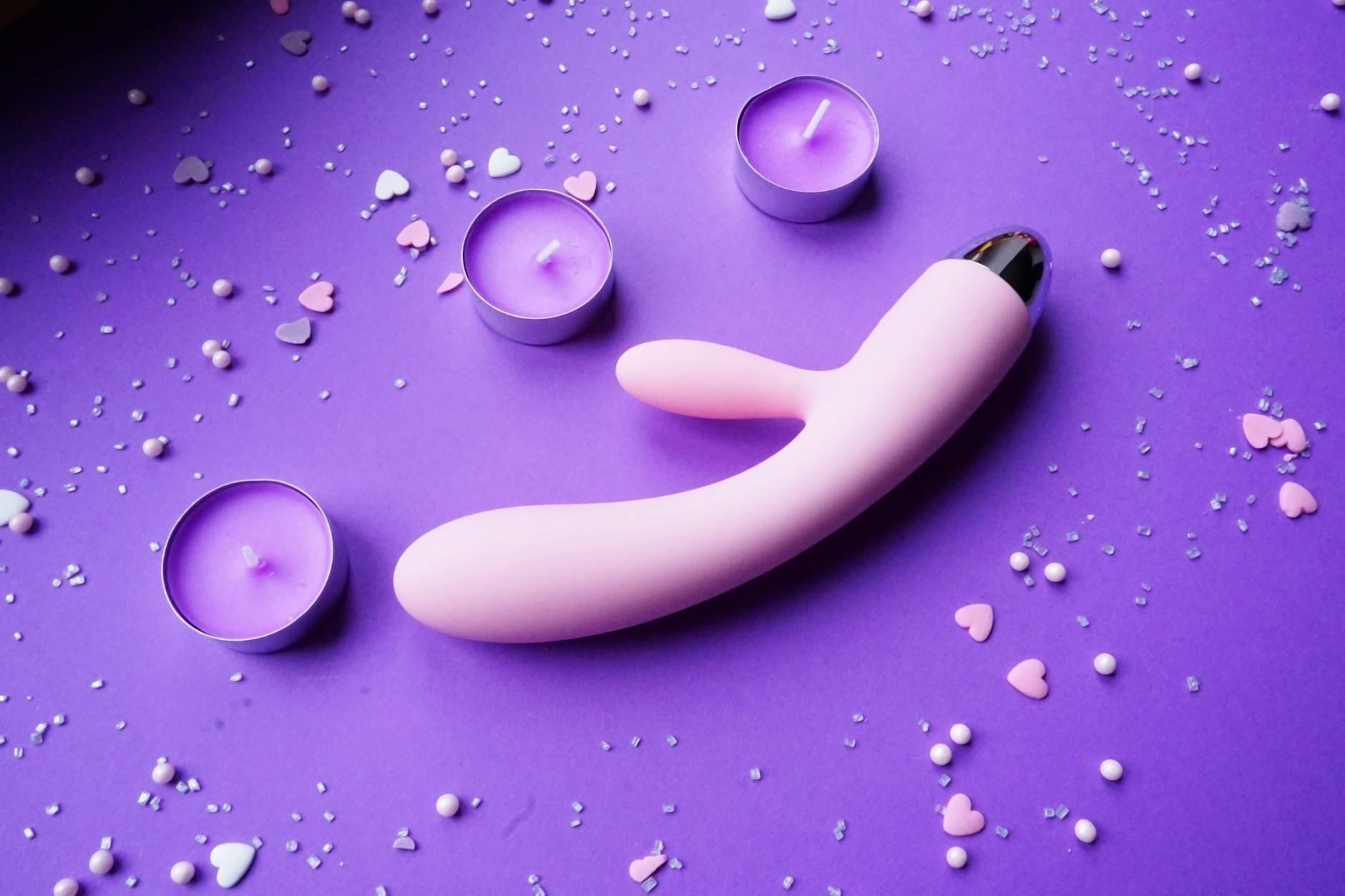
Here's what I've seen shift that dynamic in couples therapy: introducing a lemon clitoral vibrator. Not as a fix. Not as a workaround. But as a deliberate redirect that moves pleasure from performance to sensation. A tool that says out loud: "Your body isn't the only thing that gets to matter here."
This isn't about him failing. It's about rewriting the script entirely.
Why performance anxiety wrecks intimacy
Performance anxiety comes from a story your partner has internalized. Usually it's something like: "My job during sex is to make her come. If I can't, I've failed." That story turns sex into a test. Tests create pressure. Pressure kills arousal for both people.
The neuroscience backs this up. When someone is anxious, their sympathetic nervous system activates—the fight-or-flight response. Blood flow redirects away from the genitals and toward the large muscle groups. Erections become harder to maintain. Sensation dulls. The very thing he's worried about starts happening because of the worry itself.
Meanwhile, you're feeling the ripple effect. You can sense his anxiety. It makes it harder for you to relax. Arousal for partners often depends on feeling your partner's confidence and presence, so when that evaporates, yours does too. Now you're both caught in a loop.
A lemon clitoral vibrator breaks that loop by changing the agreement about what sex is supposed to accomplish.
The reframe that changes everything
Instead of "his body needs to produce her orgasm," the new agreement becomes: "Her pleasure is the focus, and we're both responsible for creating the conditions for it."
This is radically different. It removes the pressure from his performance and redistributes it to collaboration. He's not failing at anything because the goal isn't performance—it's connection and sensation.
Introducing a device like a lemon vibrator makes this shift feel less like rejection and more like expansion. You're not saying "your body isn't enough." You're saying "let's explore what both of us actually want." The vibrator becomes the third thing in the room that you're both focused on, not a replacement for him.
Many couples find this relieves anxiety immediately because the stakes drop. He doesn't have to produce a specific outcome. He gets to participate in your pleasure differently. He can focus on touch, on kissing, on watching you respond, on his own sensation, without the crushing weight of performance.
How to introduce it without triggering defensiveness
Timing and framing matter intensely. The worst possible moment is mid-stress, when he's already spiraling. The best moment is during a conversation outside the bedroom, when you're both calm and clothed.
Here's what actually works: "I've been thinking about what we want from our time together, and I realized I want to feel less pressure and more connection. I found something that I think could help us both relax into that." Notice what you're doing there. You're naming a shared problem (pressure), a shared goal (connection), and presenting the vibrator as a solution to that shared goal.
Specifically avoid: "You're not giving me enough." "I need this to come." "Your anxiety is killing our sex life." Those statements are true, maybe, but they're defensive-triggering. He'll hear them as criticism and clam up.
The conversation might sound like: "I want us to have more fun and less pressure. What if we played with something together that lets me focus on sensation and lets you focus on what feels good to you, without worrying about timing? Would you be open to that?"
If he resists, the conversation shifts to curiosity, not persuasion. "What are you worried about?" might be the actual question underneath. Some partners worry that introducing a vibrator means you're not attracted to them anymore. That's worth addressing directly: "I'm introducing this because I want more of you in my life, not less. I want you present with me, not anxious about performance."
What actually happens when you use it together
Let's say he's agreed. You're both in the bedroom. Here's what changes:
Start with foreplay as you normally would. Build arousal together with hands and mouths. When you're ready, introduce the lemon clitoral vibrator. Many people find that air-suction stimulation (like what a lemon vibrator provides) hits differently than traditional vibration—it's more focused, less numb-inducing, and often produces more intense sensation.
He can hold the device while you guide. Or you can hold it yourself. The key is that the vibrator becomes the focus of attention, not a stand-in. He can touch you elsewhere. He can kiss you. He can watch your response. He's still deeply involved—just not performing.
What usually happens: he relaxes. Once the pressure lifts, his own arousal stabilizes. He's no longer in his head calculating how long he can last. You relax. Once you feel his presence instead of his anxiety, your arousal deepens. The vibrator does its job—sustained, consistent clitoral stimulation without fatigue or timing concerns.
Orgasm often follows more easily, more intensely. But here's the crucial part: it doesn't matter as much if it does. The goal is no longer outcome-based. It's sensation and presence based. If you have an intense orgasm, wonderful. If you have a gentle one. If you have none, you've still had prolonged pleasure and connection without the weight of performance hanging over both of you.
The deeper shift that happens
Over time, using a lemon clitoral vibrator together rewires the story your partner tells about sex. It moves him from "sex is something I do for her" to "sex is something we experience together." That's not a small distinction. It's the difference between being a performer and being a partner.
Many couples find that after a few encounters with this approach, the anxiety itself softens. Not because he's suddenly "fixed," but because the conditions that triggered it have changed. He's not being tested anymore. He's not responsible for a specific physical outcome. He's invited into pleasure instead of burdened by it.
Some partners get curious about exploring more—different patterns, different intensities, different positions. Others simply find that the vibrator creates enough psychological space that they can have penetrative sex without the anxiety spiraling. Both outcomes are wins.
What to avoid
Don't position the vibrator as a fix for his anxiety. He's not broken. The system you've both been operating in is just broken.
Don't introduce it as a surprise during sex, especially early on. That's humiliating and activates defensiveness.
Don't use it as a weapon in an argument. "If you could just relax and let me use this, we wouldn't have this problem." That turns a tool for connection into a tool for blame.
Don't abandon other forms of intimacy. The vibrator is an addition, not a replacement. He still needs to feel desired, to feel his body mattering, to feel the warmth of direct contact. The vibrator is one tool in a broader intimacy toolkit.
When to get help
If performance anxiety is rooted in deeper relationship issues—resentment, unresolved conflict, attraction loss—a vibrator won't fix it. It might even highlight the real problem, which is actually useful information. That's a moment to consider couples counseling. Performance anxiety is often the symptom, not the disease.
If his anxiety is severe enough that he avoids sex altogether, or if it's connected to depression or other mental health factors, individual therapy might be the first step. A vibrator is a tool for couples who both want to be intimate but are caught in an anxiety loop. It's not a tool for couples who've disconnected in deeper ways.
But for the many couples where performance anxiety is the main barrier to pleasure? Reframing the goal, removing the pressure, and introducing a device that takes the performance requirement out of the equation often transforms everything. Including, often, his sense of what it means to be a good partner.
People also ask
Will using a lemon vibrator make him feel inadequate or replaced?
Only if you frame it that way. The framing that works is: "I want us to explore pleasure together in ways that work for both our bodies and reduce pressure on both of us." If he feels replaced, it usually means the conversation about why you're introducing it didn't address his core fear. That fear is usually "Am I enough?" Not "Is this device enough?" Address the question he's actually asking, and defensiveness often dissolves.
Can he use the lemon vibrator on me, or should I use it myself?
Either works, and different couples prefer different approaches. Some people like the sensation of their partner controlling the device while they focus on relaxation. Others prefer to guide their own intensity and tempo. Experiment and see what creates more presence and less pressure. There's no "right" way—just what feels good to both of you.
What if he refuses to try it?
That's worth taking seriously. Refusal often signals deeper anxiety—maybe about his masculinity, maybe about feeling excluded, maybe about loss of control. The question isn't "How do I convince him?" It's "What is he actually scared of?" Have that conversation with genuine curiosity, not defensiveness. Sometimes the answer requires couples therapy. Sometimes it requires time and reassurance. Forcing it guarantees resentment.
Does using a vibrator together actually help with performance anxiety long-term?
Yes, often. But it's not magic. What helps is the shift in mindset it creates—the agreement that pleasure is mutual and performance isn't the goal. The vibrator is just the physical manifestation of that agreement. If you introduce it but keep the old performance-based story running in the background, it won't resolve the anxiety. The tool only works if both people genuinely commit to the reframe.
Is a lemon vibrator better than other types for this situation?
Lemon clitoral vibrators use suction-based stimulation rather than traditional vibration, which creates a different sensation profile. Many people find suction more sustaining and less likely to numb sensitivity—which means it works well for extended sessions where the goal is presence rather than quick outcome. That said, the best tool is the one that feels good to you. Lemon vibrators vs traditional vibration breaks down the differences if you want to understand them better.
How do I know if it's performance anxiety or something else?
Performance anxiety usually shows up as: he's fine during foreplay, but once penetration is expected, he either loses his erection or moves quickly toward orgasm. He apologizes afterward. He seems anxious or tense rather than relaxed. He avoids initiating sex. If the issue is premature ejaculation that started recently, that's often anxiety-rooted. If it's been lifelong, there might be physical factors worth discussing with a doctor. If the issue is loss of desire or attraction to you specifically, that's a different conversation entirely. The pattern tells you a lot about what's actually happening.
What comes next
Performance anxiety thrives in silence and shame. It dissolves when you name it, reframe it, and create new agreements about what intimacy is supposed to feel like. A lemon clitoral vibrator is a concrete way to make that shift physical. It's a statement in your body that pleasure matters more than performance. That sensation matters more than outcome. That his presence matters more than his productivity.
For most couples, that shift changes everything. Not because a vibrator is magic. But because it gives you both permission to stop performing and start connecting. If that's what you're after, you're already halfway there.