Your body doesn't lose the ability to feel good after 50. It just learns a different language.
Let's be real: if you've spent the last five years wondering why orgasms feel different, or why it takes longer to get there, or why the same techniques that worked at 35 feel off now, you're not broken. Your body has changed. That's not a failure. It's information.
After 50, the architecture of pleasure shifts. Estrogen drops further. Blood flow to genital tissue decreases. The clitoral glans (the most sensitive part) gets thinner as the protective hood loses elasticity. Nerve density doesn't change, but the tissue around those nerves does, which means stimulation that felt perfect at 40 can feel either too intense or not quite right at 55.
The good news: none of this kills pleasure. It redirects it. And when you use the right tools, you often find that sensation becomes sharper, more focused, and honestly more satisfying than it's ever been.
What actually happens to tissue after 50
Three main changes happen in the vulva and clitoris after 50.
Thinning of the epidermis. The outer skin layer gets thinner because collagen production drops. This is the same reason skin everywhere gets thinner, but in the vulva it matters more because sensation depends partly on tissue thickness. Thinner tissue feels stimulation more directly, which is why vibration intensity matters now in ways it might not have before.
Loss of subcutaneous fat. The soft tissue cushioning under the vulva decreases. This makes the underlying structures more prominent and changes how pressure is distributed when you're aroused or being stimulated. Some people experience this as heightened sensation. Others find that direct friction becomes uncomfortable.
Reduced blood flow. Arousal depends on blood pooling in genital tissue. After 50, that pooling is slower and less pronounced. Lubrication takes longer to arrive. Swelling is less dramatic. This doesn't mean you can't get aroused. It means you need more time and often a different type of stimulation to trigger the same response.
Why suction-based stimulation changes the equation
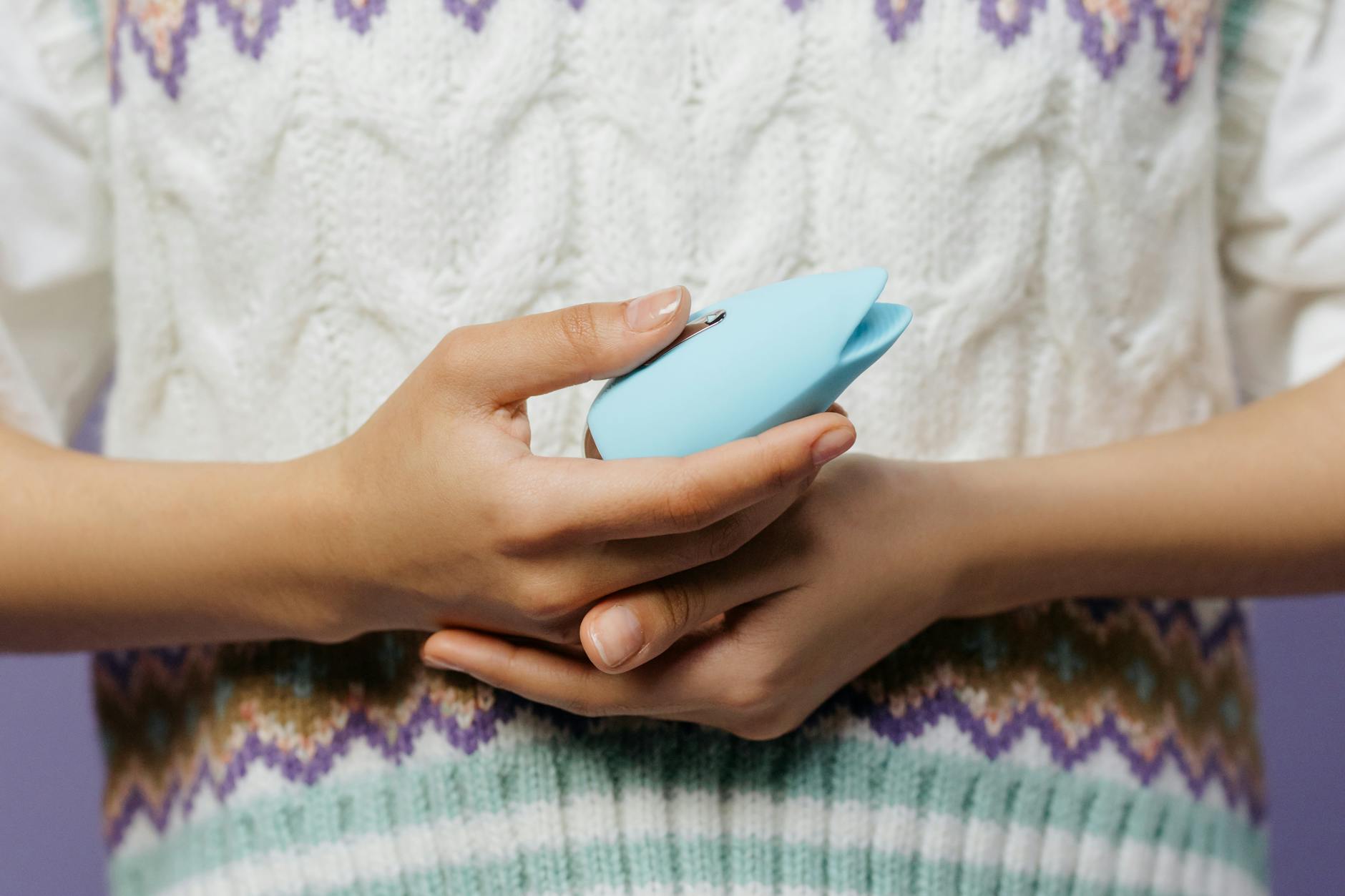
This is where lemon vibrators and suction toys shine for bodies over 50.
Traditional vibrators use friction. They shake back and forth, which works beautifully when tissue is plump with blood and arousal. After 50, when tissue is thinner and blood flow is slower, friction-based vibration can feel either too sharp or weirdly numb, depending on your nerve sensitivity that day.
Suction works differently. Instead of friction, it creates a gentle vacuum that draws blood into the clitoral tissue. That mimics what your body used to do automatically during arousal, but now does more slowly. Suction doesn't require the tissue to be already swollen to feel good. It helps create the swelling. You're not fighting against your body's slower arousal response. You're partnering with it.
For lemon clitoral vibrators specifically, the suction pattern is gentle and cyclical. You're not battering sensitive tissue with high-frequency vibration. You're creating a rhythmic pull that builds sensation gradually. For bodies over 50 that need more warm-up time anyway, this is a more natural fit.
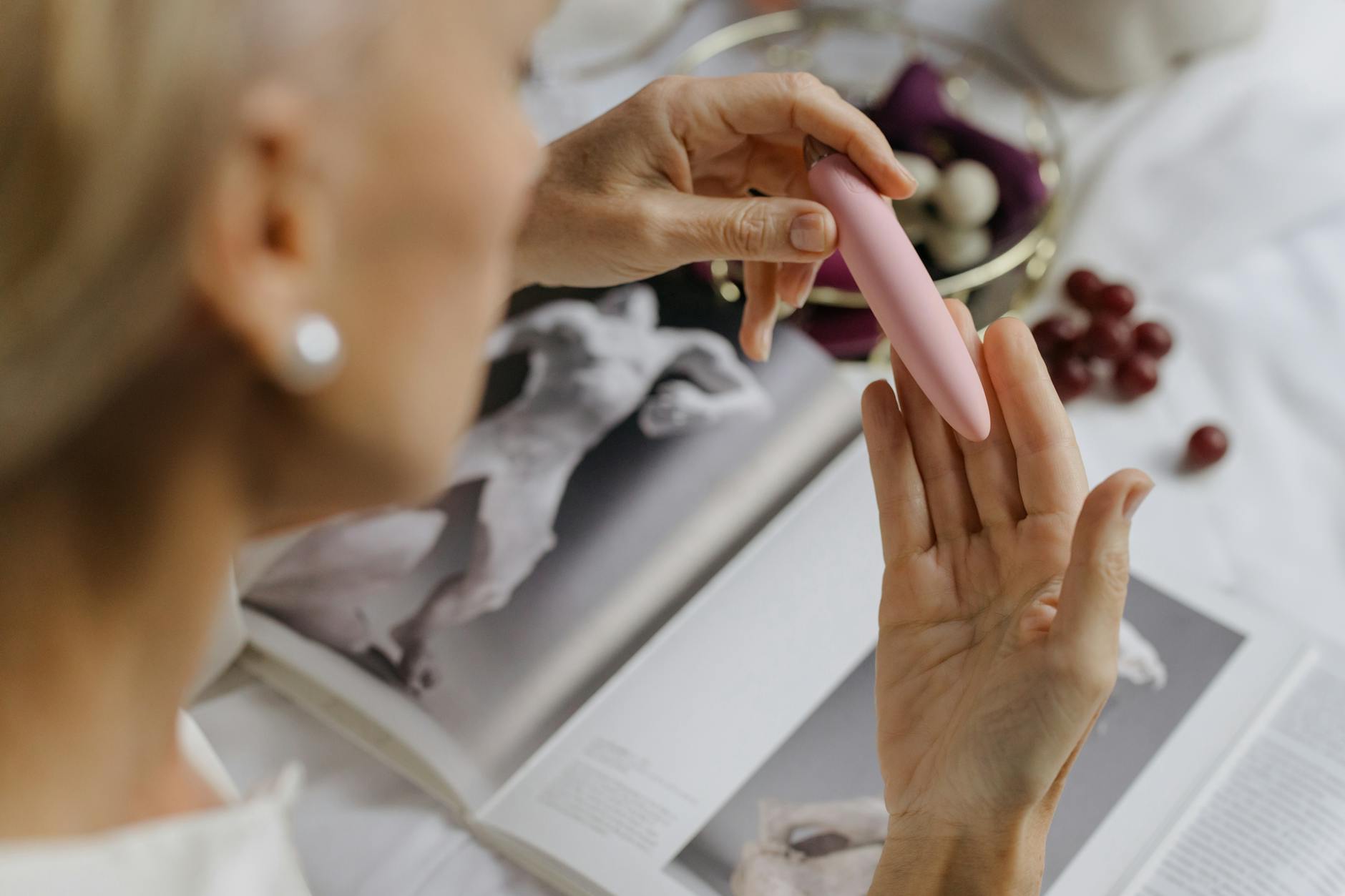
Photo by cottonbro studio on Pexels
The arousal timing shift that nobody warns you about
Here's the thing that surprises most people: after 50, you don't lose the ability to orgasm. You lose the ability to orgasm quickly from nothing.
At 35, you could think about something sexy and be halfway to arousal in seconds. At 55, that same thought might produce zero physical response. Not because desire is dead. Because the neurochemical chain that used to fire quickly now requires more deliberate input.
This changes what "foreplay" means. It's not foreplay anymore if it's taking 20 minutes just to get aroused enough to feel anything. It's just play. It's the main event.
For people over 50 using a lemon clitoral vibrator, this shift actually works in your favor. You're not trying to take a sprint approach to something that now requires a marathon pace. You're settling in. You're giving yourself permission to spend 30 minutes building sensation instead of expecting it to happen in 5. And when you do that with a tool designed for gradual intensity buildup, orgasms often become deeper and more satisfying than they were at 40.
Sensation changes aren't uniform, and that matters
Not everyone over 50 experiences all of these changes equally. Some people feel less overall sensation. Others feel heightened sensitivity in specific spots. Some find that their most sensitive area shifts from the glans to the vestibule (the tissue between the clitoris and the vaginal opening). Others discover that they now need direct clitoral stimulation where they never did before.
This is why a versatile tool matters. A lemon vibrator works across multiple sensation profiles because suction adjusts automatically to your tissue. Low suction levels work for hypersensitive areas. Higher levels work for reduced sensation. The cyclical pattern means you're not relying on one intensity to do all the work.
This also means you'll probably benefit from exploring settings you might not have used at a younger age. The lowest setting on a lem vibrator at 55 might be exactly what you need, where you would have skipped straight to level 5 at 35.
The pelvic floor factor after 50
The pelvic floor doesn't just hold things up. It affects sensation, arousal response, and orgasm quality. After 50, two things happen: the muscles lose some tone (making them weaker), but they also get tighter (making them more prone to tension).
Tightness is the more common issue, and it's weird because it can feel like reduced sensation when it's actually protective tension. The pelvic floor grips when it feels vulnerable, which is exactly what's happening to thinner tissue that's more sensitive to pressure.
If this is you, a lemon clitoral vibrator is gentler than something high-frequency and aggressive. And pairing it with basic pelvic floor breathing—slow inhale for 4, exhale for 6, letting the muscles release—changes everything. You're not fighting your body's protective response. You're reassuring it that it's safe to relax.
When you approach pleasure this way after 50, orgasms often return faster than you'd expect. Not because your body suddenly went back to 35, but because you're working with it instead of against it.
Lubrication, comfort, and why it matters more now
After 50, vaginal dryness isn't optional. It's almost universal. Your body produces less lubricant overall, and what you do produce takes longer to arrive.
Even if you're using a lemon clitoral vibrator on external tissue only, lubrication still matters. Here's why: lubrication helps the toy glide smoothly. Without it, even gentle suction can pull on tissue in uncomfortable ways. With it, everything moves more smoothly.
Use a water-based lube generously. Not because you're compensating for a problem, but because you're honoring what your body actually needs right now. Silicone-based lubes feel richer, but they can damage silicone toys. Water-based works better with most lemon sexual toys and lasts long enough for longer sessions.
Rebuilding confidence when pleasure has felt absent
For a lot of people over 50, the bigger issue isn't physical. It's that pleasure has been absent for so long that reawakening it feels weird, almost unfamiliar.
You might have spent three to five years assuming that sexual response just wasn't part of your life anymore. Then you try something new and sensation comes back, and it's disorienting. Not bad. Just surprising.
This is where starting with a lemon vibrator on the lowest setting matters psychologically, not just physically. You're not shocking your system. You're gently reintroducing sensation. You're giving yourself time to remember what pleasure feels like. And you're doing it on your timeline, which means you get to be in control of the pace.
Many people tell me that the most important shift isn't physical. It's permission. Permission to spend time on their own pleasure. Permission to explore what feels good now, rather than mourning what used to feel good then. Permission to take 45 minutes instead of feeling like sex should be fast.
What to actually expect when you start
If you're over 50 and trying a lemon clitoral vibrator for the first time, don't expect your 35-year-old orgasms back immediately. Expect something different, which is often actually better.
Your first session might feel subtle. That's not failure. That's your nervous system processing sensation on thinner tissue. By session three or four, you'll have mapped what works for your body now. Intensity, duration, angle, position, time of day—all of this might need adjustment from what worked before.
Start with 20 to 30 minutes of exploration. Use lube. Keep your expectations loose. The goal isn't to force an orgasm. The goal is to rebuild your relationship with sensation. When you do that consistently, orgasms return. Usually stronger than you remember.
FAQ: Pleasure, vibrators, and being over 50
Why does it take longer to feel aroused after 50?
After 50, the chain of events that used to fire quickly in your nervous system now requires more deliberate input. This isn't psychological in most cases. It's neurochemical. Dopamine production changes. Blood flow to genital tissue decreases. The protective tissue around nerve endings gets thinner, so your body is being more cautious about arousal. This is normal, universal, and completely reversible with the right stimulation and time.
Can a lemon clitoral vibrator help if I've lost sensation over the years?
Yes, often dramatically. Suction-based stimulation like what a lem vibrator provides works by drawing blood into tissue and creating a vacuum effect. This doesn't depend on existing sensation to be effective. If anything, it works better when sensation is dulled because it's creating new pathways for stimulation rather than trying to intensify something that's already firing. Many people report that sensation returns within weeks of consistent use.
Is it normal to feel hypersensitive in some areas and numb in others after 50?
Completely normal. After 50, sensation often becomes uneven across the vulva. The glans might feel hypersensitive while the vestibule feels numb, or vice versa. This is because collagen loss and blood flow changes don't affect every area equally. A versatile lemon sexual toy that has adjustable suction levels lets you address both areas in a single session, which is much more useful than a one-intensity tool.
How much lubrication do I actually need?
More than you probably think. After 50, your body produces less natural lubrication, and it takes longer to arrive. Use a water-based lube generously before you start, and reapply halfway through a session. This isn't about compensation. It's about comfort and smooth movement. A good lube transforms the experience because it reduces friction and makes the suction action feel smoother.
Can orgasms feel different after 50, or do they eventually feel the same again?
They usually feel different in ways that are actually better. After 50, orgasms often become more focused and intense because the sensation is concentrated in a smaller area due to tissue changes. Some people experience multiple smaller orgasms instead of one big one. Others find that orgasms last longer. The variety itself becomes part of the pleasure. You're not trying to recreate the orgasms of your 30s. You're discovering the orgasms of your 50s.
Should I see a doctor about pleasure changes after 50?
If you're experiencing pain during stimulation or penetration, yes. If arousal has completely stopped and nothing is working after 4 to 6 weeks of consistent exploration, talk to a menopause-informed doctor. They can rule out other factors (thyroid issues, medication side effects, cardiovascular changes). But for typical pleasure changes—slower arousal, different sensation, need for more time—this is physiology, not pathology. It responds well to the right approach and patience.
The real story after 50
Pleasure doesn't end at 50. It transforms. Your body gets pickier about what feels good, which actually makes the things that do feel good hit harder. You have less time to waste on mediocre approaches, which means you end up being more intentional and creative. You stop performing and start actually enjoying yourself, which paradoxically makes everything more intense.
When you use a lemon clitoral vibrator with intention at this stage, you're not trying to force your body back into old patterns. You're discovering what pleasure looks like now. And for most people, what pleasure looks like at 55 is deeper, more reliable, and more genuinely satisfying than it's ever been.
If you're curious about where to start, explore lower intensity settings first, give yourself permission to take time, and remember that rebuilding sensation after 50 is one of the most straightforward physical projects you can undertake. Your body knows how to feel good. It just needs the right conditions and the right tool.
Ready to explore? Start with how lemon vibrators help when hormones make arousal harder after 40, or reach out to us at /contact if you want personalized guidance on finding the right approach for your body.