Let's talk about what vaginal dryness actually changes
Honestly? It changes the setup, not the destination. Vaginal dryness is a tissue issue, not a pleasure issue. Your clitoris doesn't dry out the way the vaginal canal can. Your nerve endings don't suddenly stop working. What shifts is friction, lubrication, and how quickly sensation builds. Once you understand that, everything gets easier.
Vaginal dryness happens for a lot of reasons: hormonal changes, medications, stress, insufficient arousal time, or just natural variation. The frustration isn't that orgasms become impossible. It's that the path to get there often feels different. Rougher. More effortful. Like you have to work harder for the same result.
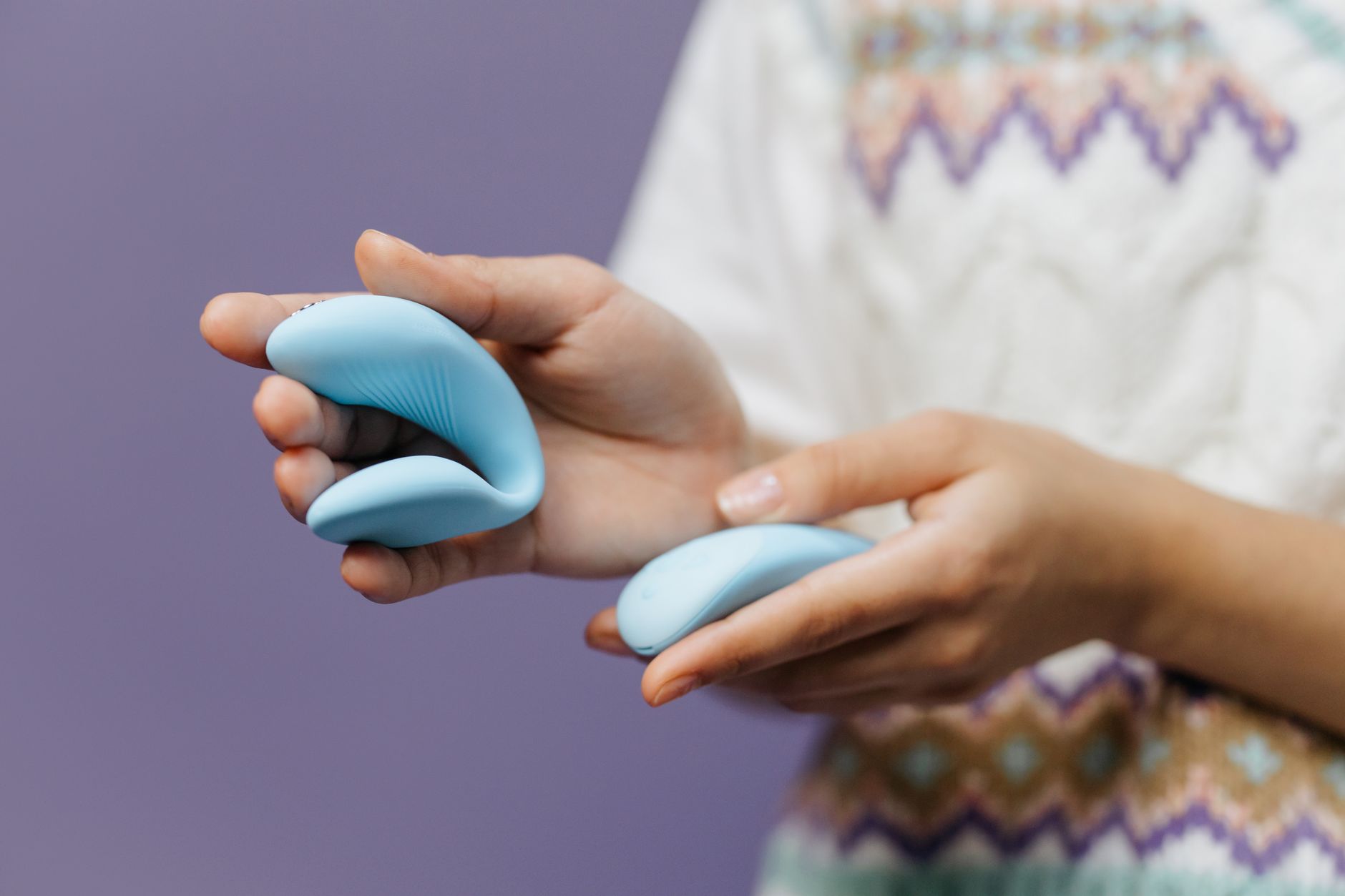
Here's the counterintuitive part: a lemon clitoral vibrator often makes the experience easier, not harder, because it removes the friction problem entirely. Suction-based stimulation (the way clitoral vibrators like the Lem work) doesn't rely on sliding, gliding lubrication the way friction does. It creates a seal and applies gentle suction. That changes everything.
Why air-suction vibrators are different when dryness is in the picture
Traditional vibrators work by moving back and forth against skin. That requires either lubrication or a tolerance for friction. When you have vaginal dryness, friction becomes uncomfortable fast. It can feel irritating, burning, or just plain wrong.
A lemon vibrator uses a different mechanism entirely. Instead of vibration against tissue, it creates a gentle seal and draws the clitoris and surrounding tissue into a small opening. The sensation comes from suction and the vibration pattern inside that seal. You're not rubbing; you're drawing in.
The practical upside: you need less lubrication (or sometimes none) to have a comfortable, intense experience. The stimulation is concentrated and powerful without requiring the sliding motion that dries tissue out further. For people dealing with vaginal dryness, this is genuinely transformative.
Starting from the right intensity level matters more than you think
When dryness is a factor, your tissues are already more sensitive than usual. That sensitivity can feel good (sharper sensation, faster buildup) or bad (irritation, rawness) depending on how you approach it.
Start with the lowest intensity setting on your lemon vibrator. I know this sounds obvious, but most people skip this step. They jump to medium or high because they're used to needing more stimulation to feel something. With dryness, lower settings often feel more intense because your tissue is already sensitized.
Spend at least five to ten minutes at setting one or two. Pay attention to what changes. Does the sensation sharpen? Does your arousal building accelerate? Often, you'll discover that lower settings feel completely different than they did before dryness became an issue. That's not weakness; that's your body responding to a new setup.
When you're ready to progress, move to the next setting rather than jumping two or three levels. The idea is to find the intensity that builds orgasms reliably without leaving you feeling raw or irritated afterward.
Lubrication strategy when you're using clitoral vibrators
Here's the honest truth: even with a lem vibrator, some lubrication usually feels better. Not always essential, but nicer. The question is which kind.
Water-based lubricants are your friend here. They're gentle, they rinse off easily, and they don't break down silicone toys. Apply a small amount around the clitoris and the opening of the vibrator before you start. You don't need much. A dime-sized amount is usually enough.
If you're dealing with significant dryness (especially if it's linked to hormonal changes or medication), ask your doctor about vaginal moisturizers like hyaluronic acid products. These aren't lubricants; they're designed to restore tissue hydration over time. Use them regularly, separate from your vibrator sessions. The combined effect of regular moisturizer plus light lubrication during play often feels remarkably different within a few weeks.
Silicone-based lubes feel richer and last longer, but they can degrade silicone toys. If you're using a lemon vibrator, stick to water-based. Your toy will last longer, and your experience will be just as good.
The warm-up window is your actual power move
When you have vaginal dryness, rushing straight to the vibrator rarely works well. Your body needs time to wake up, to start producing its own lubrication, to redirect blood flow to the area. This is true for everyone, but it matters more when dryness is already present.
Budget 15 to 20 minutes for arousal before you even turn on your lemon vibrator. This might include: touching yourself manually, reading or watching something that interests you, focusing on breath and sensation, or partnered foreplay if you have a partner. The goal isn't to reach orgasm during warm-up. It's to move your nervous system into a receptive state and give your body a chance to respond naturally.
During this time, your clitoris will likely engorge slightly. Tissue will become more responsive. Even if external lubrication is limited, the internal shift in blood flow and neural readiness makes a measurable difference in what your vibrator can do.
Then, when you introduce your lemon vibrator, you're working with a body that's already partway there. That's when intensity builds quickly, and orgasms feel strong. That's also when you're least likely to end the session feeling sore or irritated.
Positioning and pressure matter more than speed
With dryness in the picture, how you hold your vibrator matters more than the vibration pattern itself. Experiment with angle and pressure rather than chasing faster settings.
Try positioning the vibrator so it targets the upper part of your clitoris, near the hood. This area often feels less irritated when dryness is present because it's further from the driest tissue. Some people find that a slightly angled approach (rather than dead-center) spreads sensation more evenly and feels more comfortable.
Pressure is your real lever. Light pressure with a lemon vibrator often feels more intense than you'd expect because suction amplifies sensation. As you experiment, notice the difference between pressing firmly and letting the vibrator rest gently against you. Often, lighter contact with a mid-range intensity setting beats heavy pressure with high intensity.
This might take a few sessions to dial in. That's fine. You're learning your body's new normal, not failing at something you should already know.
Watch for irritation and pull back when needed
Vaginal dryness means your tissue is more fragile than usual. It's not broken, but it deserves extra care. After your first few sessions with a lemon vibrator, pay attention to how you feel afterward.
Some mild warmth or sensitivity is normal. That usually fades within an hour. If you're experiencing pain, burning that lasts hours, or rawness that makes normal activities uncomfortable, you pushed too hard. That's useful information.
Scale back next time: use lower intensity, apply more lubrication, warm up longer, or use a shorter session. Your body will tell you when you've found the right balance. The goal is pleasure that feels sustainable, not pain you're powering through.
If irritation continues even after you've scaled back, check with your doctor. Sometimes dryness is severe enough that you need treatment (like vaginal estrogen cream or systemic hormone therapy) before vibrators feel good. That's not a failure. That's your body asking for support.
Building orgasm strength takes patience, not force
When dryness is present, orgasms sometimes feel subtly different: less intense, more localized, slower to arrive. That's not permanent. It's just the current state.
Here's what I've seen consistently: people using lemon vibrators regularly over a few weeks report that sensation sharpens, arousal builds faster, and orgasms feel stronger. That's not because the vibrator is magic. It's because consistent, gentle stimulation trains your nervous system and your tissue responds by becoming more responsive.
Don't chase bigger orgasms on day one. Notice what you feel on day one. Then notice if it changes over the next few weeks. Usually it does.
Consistency matters more than intensity. A shorter session twice a week with a lemon vibrator often produces better results than a marathon session once a month. Your body adapts to regular, manageable stimulation in a way it doesn't adapt to occasional extremes.
When to loop in your doctor
If vaginal dryness is new or worsening, talk to your doctor before diving into vibrator experiments. Dryness can signal hormonal shifts, medication side effects, or other things worth addressing.
Your doctor can help you figure out if moisturizers alone will help, if you need prescription vaginal estrogen, or if systemic hormone changes are worth discussing. None of this means you can't use a lemon vibrator. It just means you're starting from an informed place.
If you're already on treatment for dryness and still struggling, that's also worth mentioning. Sometimes the dose needs adjusting, or a different approach works better. Your pleasure matters enough to bring up in a clinical conversation.
The summary: dryness is a setup change, not a finish line
Vaginal dryness changes how you approach pleasure. It doesn't end pleasure. A lemon clitoral vibrator is often the easiest tool for this because it sidesteps the friction problem entirely. Lower intensity, light lubrication, longer warm-up, and patient consistency usually add up to strong, satisfying orgasms within a few weeks.
If you're new to this, start gently. Pay attention. Let your body tell you what works. You're not failing at something you should innately know. You're learning a different setup. That's all.
When dryness feels like it's getting in the way, that's the moment to reach out to your doctor or a sex-positive therapist. They can help you troubleshoot, adjust, and find what actually works for your body right now.
People also ask
Can I use a regular vibrator if I have vaginal dryness, or do I need a special toy?
You can use a regular vibrator, but air-suction clitoral vibrators like the lemon vibrator are often more comfortable when dryness is present. Traditional vibrators rely on sliding friction, which can feel irritating or uncomfortable when lubrication is limited. Air-suction toys create a seal and draw sensation inward rather than sliding across tissue, so they typically feel gentler while still delivering intense stimulation.
How much lubricant should I use with my lemon vibrator if I have vaginal dryness?
Start with a small amount, about the size of a dime, around the clitoris and the vibrator opening. You're not trying to create a sliding experience like you might with a penetrative toy. The lubrication is mainly to prevent any friction and make the seal more comfortable. If it feels dry during use, add a tiny bit more. Most people find that once they start the vibrator, the warm sensation combined with light lubrication is enough for a full session.
Does using a clitoral vibrator make vaginal dryness worse?
No. The clitoris itself doesn't produce lubrication; dryness is a vaginal canal issue. When you're using a lemon vibrator focused on the clitoris with proper technique and lubrication, you're not drying out tissue further. If anything, improved circulation and regular orgasms can improve overall pelvic tissue health over time. The key is not to push through discomfort or friction. If it feels wrong, scale back and add lubrication.
How long should I warm up before using my vibrator if I have vaginal dryness?
Budget 15 to 20 minutes of arousal time before turning on your vibrator. This can include manual touch, fantasy, deep breathing, or partnered foreplay. The goal is to let your body respond naturally, redirect blood flow to the area, and shift your nervous system into receptiveness. A well-aroused body responds better to vibration and feels more lubricated, even if dryness is present. Don't skip this step thinking the vibrator will do the work alone.
Should I see a doctor about vaginal dryness before using a lemon vibrator?
It's worth mentioning to your doctor, especially if dryness is new or worsening. Your doctor can rule out underlying issues, suggest moisturizers or other treatments, and help you understand what's driving it (hormones, medications, stress, etc.). You don't need medical permission to use a vibrator, but you do benefit from knowing whether there's a treatable cause. Often, addressing dryness medically and using a vibrator is the combination that works best.
Can a clitoral vibrator help me have orgasms if dryness has been preventing them?
Often, yes. Many people find that using a lemon vibrator for better connection with your body creates the right conditions for orgasm when other approaches haven't worked. The combination of focused stimulation, lower friction, and the neurological effect of suction can rebuild confidence and sensation quickly. That said, if orgasm difficulty is connected to medication side effects or significant hormonal change, you might also need to address that with your doctor. The vibrator is a powerful tool, but it's often most effective alongside other support.
What's the difference between a lemon vibrator and other clitoral toys for dryness?
Air-suction lemon vibrators (like the Lem) work differently than traditional vibrators or bullet toys. Instead of vibration alone, they combine suction with vibration, which concentrates sensation without requiring friction or sliding. For dryness, this matters because you get intense, focused pleasure without the grinding motion that can irritate delicate tissue. Other toys can work too, but suction-based designs are often more comfortable and more effective when lubrication is limited.