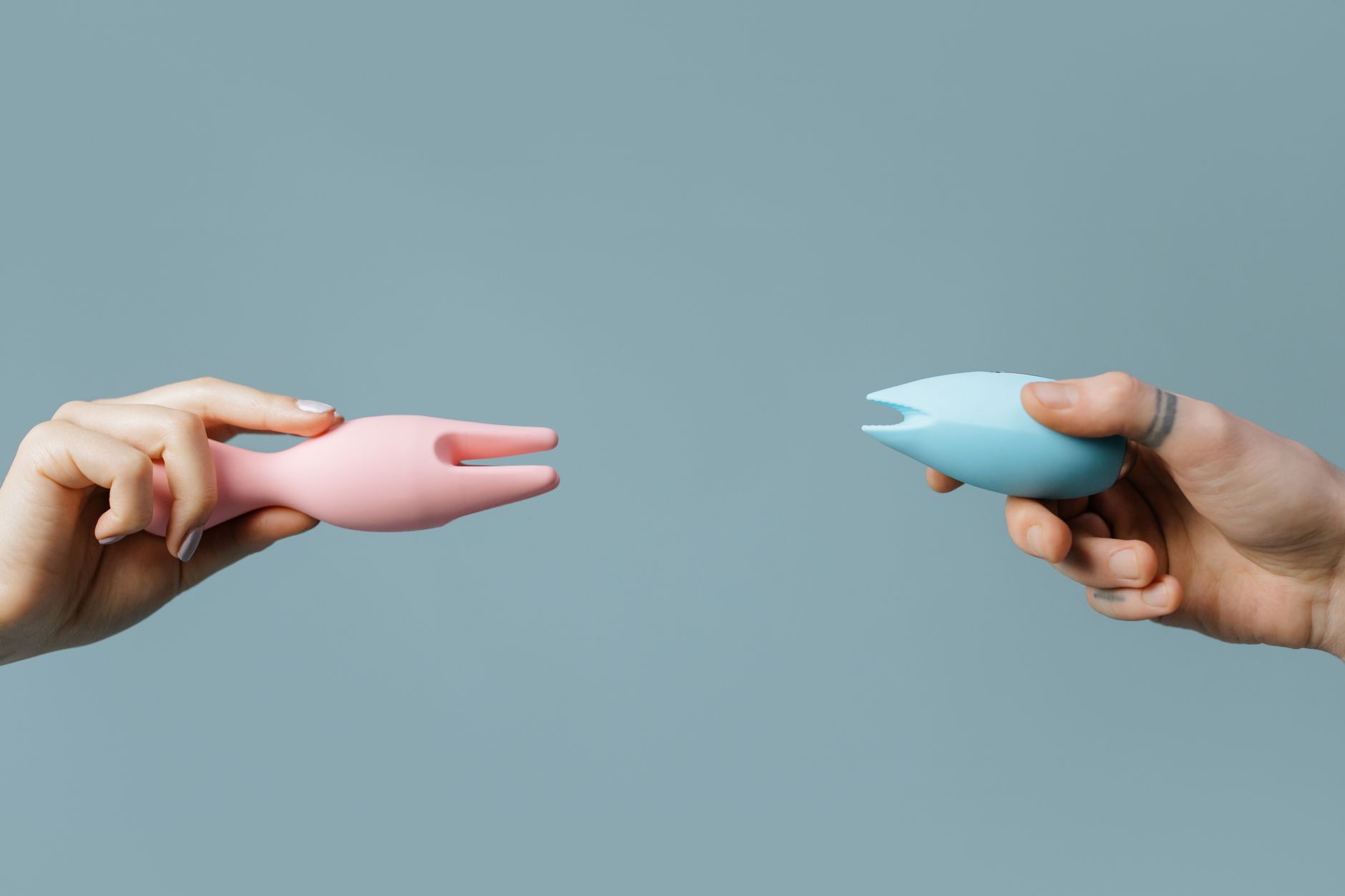
Here's the thing about hormones and sensation
Your body rewires when hormones change. Whether you're starting HRT, navigating menopause, adjusting birth control, or recovering from medication side effects, your clitoral tissue responds differently to stimulation than it did before. That's not a loss. It's a recalibration.
Most people don't know this going in, so they assume their lemon vibrator (or any clitoral vibrator) stopped working the way it used to. It didn't. Your body just learned a new language, and you need to speak it fluently.
What hormonal shifts actually change about pleasure
Estrogen, testosterone, and progesterone all shape how your clitoris swells, how quickly arousal builds, and how sensitive you are to different types of touch. When hormone levels shift, three things happen to genital tissue.
First, blood flow changes. Arousal happens through vasocongestion, the rush of blood into your genitals. Higher testosterone makes blood flow faster. Lower estrogen makes tissue more delicate and sometimes less efficient at that blood rush. This means arousal might take longer, feel different, or require a different approach altogether.
Second, tissue thickness changes. Estrogen keeps vulvar tissue plump and resilient. When estrogen drops (perimenopause, menopause, or certain medications), tissue thins. This sounds fragile, but here's what I tell clients: thinner tissue is often more sensitive. It's not less capable of pleasure. It just needs gentler entry and warmer foreplay.
Third, natural lubrication shifts. Hormones control how much lubricant your vagina and vulva produce. When hormones fluctuate, lubrication often does too. This is why lube stops being optional and becomes essential. Water-based lube is your friend here, especially with a silicone toy like the Lem.
Why a lemon clitoral vibrator works even better after hormonal shifts
The design of a lemon vibrator, or lem vibrator, uses air-pulse suction rather than direct vibration. This matters enormously when your tissue has changed.
Traditional vibrators work through friction and speed. A lemon sexual toy uses gentle suction that stimulates a broader nerve area without the same mechanical pressure. After hormonal changes, this becomes less about intensity and more about precision. You're not fighting your new body. You're working with it.
I've had clients report that the Lem and other lemon adult toys felt uncomfortable or ineffective before they understood their hormonal shift. Once they adjusted their approach, the same toy became their favorite. The toy didn't change. The conversation did.
The technical adjustments that actually work
Start lower than you used to. If you were using patterns 4 or 5 on your lemon sucker before, begin with pattern 1 or 2. Your sensitivity has likely increased, even if it doesn't feel that way initially. After 10 minutes at a lower setting, your nervous system catches up. Then you can move up.
Extend warm-up time. Arousal takes longer after hormonal changes, especially if estrogen has dropped. Budget 15 to 25 minutes of foreplay or solo touch before you introduce the vibrator. This isn't a setback. It's an invitation to slow down. Many people find that extended warm-up leads to deeper, longer-lasting orgasms.
Use lube every single time. This isn't negotiable. Even if you weren't a lube person before, hormonal changes make it essential. Water-based lube works best with silicone toys like a lemon clitoral vibrator. Apply generously to the toy and your vulva. Reapply as needed. Lube changes the entire sensation profile.
Angle differently. After hormonal shifts, the angle you use your toy at might shift too. Experiment with tilting the toy slightly upward, downward, or to one side. Some people find that a 45-degree angle works better than straight-on contact. There's no right answer. Your body will tell you.
Vary the rhythm instead of increasing intensity. Rather than jumping to a faster pattern, try switching between patterns. Pattern 1 for two minutes, pattern 2 for three, back to pattern 1. This creates novelty and prevents desensitization without pushing intensity to an uncomfortable place.
Hormonal changes and arousal psychology matter too
I work with clients on the mental side of this constantly. Hormonal shifts don't just change your body. They change your headspace.
After menopause, many people feel liberated from fertility concerns and societal expectations around sex. Others feel grieved. Some feel both. That emotional reality shapes arousal as much as estrogen does.
When you're using a lemon vibrator after hormonal changes, you're not just relearning your body. You're often processing an identity shift. Give yourself permission to feel weird about that. Spend a few sessions just exploring without the expectation of orgasm. Notice what feels good. Notice what doesn't. This exploratory time is not wasted time. It's essential recalibration.
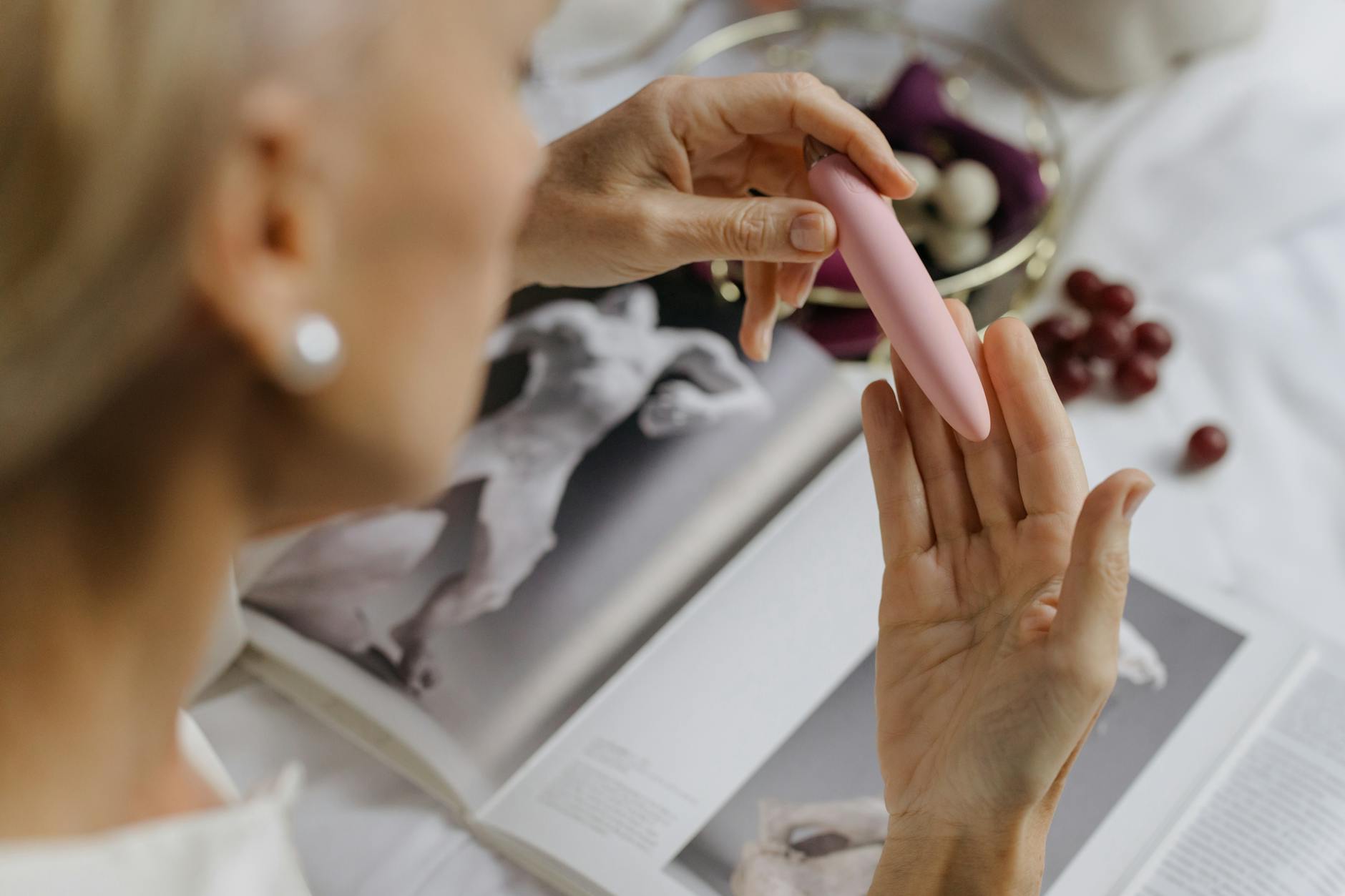
Photo by cottonbro studio on Pexels
When HRT or new medications change the game
If you've recently started hormone replacement therapy, you might notice your response to stimulation shifts again within the first 3 to 6 months as your body adjusts to new hormone levels. This is normal. Your sensitivity might increase, decrease, or move around your body.
The same applies to people starting or stopping antidepressants, birth control, or other medications that affect blood flow or sensation. Your lemon vibrator isn't suddenly broken. Your baseline has shifted.
If pleasure becomes completely absent after starting a medication, talk to your doctor. Sometimes a dose adjustment or timing change (taking medication at a different time of day) makes a difference. Sometimes you need a different medication entirely. This is worth advocating for.
Communicating these changes with a partner
If you use a lemon clitoral vibrator with a partner, hormonal shifts can feel confusing for both of you. What worked before might not work now. This isn't personal. It's physiology.
Separate the two conversations. "My body is responding differently" is not the same as "You're not turning me on anymore." One is about biology. One is about connection. When these get tangled, both conversations fail.
Invite your partner into the exploration. "Let's figure this out together" beats "It's not working like it used to." Hand them the vibrator and let them experiment with patterns and angles. Sometimes what feels best to you doesn't match what you expect. Your partner might discover something you missed.
If your partner resists or feels threatened by increased toy use after hormonal changes, that's a different conversation. You might find resources in how to use a lemon vibrator with a critical partner helpful.
Building pleasure again from the ground up
Hormonal shifts can feel like starting from zero. In some ways, you are. But you're not starting from ignorance. You know your body has the capacity for pleasure. You're just learning a new dialect of the same language.
Most of my clients report that their orgasms feel different after hormonal changes, not worse. Sometimes they're more full-bodied. Sometimes they're more intense. Sometimes they're quieter but more satisfying. The metric isn't "like it used to be." The metric is "does this feel good right now."
Your lemon vibrator, or lem vibrator, is still an excellent tool. You're just using it in a new context. That context deserves time, curiosity, and patience. Give it all three, and you'll be surprised what unfolds.
FAQ: Hormonal changes and lemon vibrators
Can I use my lemon vibrator at the same intensity after starting HRT?
Maybe, but not immediately. HRT changes blood flow and tissue sensitivity. Most people find they need to start at lower intensities and work up as their body adjusts. Within 3 to 6 months, you might return to your previous settings, or you might find a new baseline that feels better. Give your body time to adapt before pushing back to what used to work.
How long does it take for pleasure to return to normal after hormonal changes?
There's no single timeline, but most people report noticing changes within the first month and achieving a new comfort zone within 3 to 6 months. Some shifts are immediate. Others take longer. If pleasure hasn't returned after 6 months, talk to a healthcare provider. Sometimes dosage, type of medication, or underlying medical factors need adjustment.
Does menopause mean I need a different clitoral vibrator than my lemon sucker?
No. A lemon clitoral vibrator is actually ideal for post-menopausal bodies because suction doesn't rely on the same tissue resilience that traditional vibrators do. Stick with what you have and adjust your technique. If you're starting fresh, an air-pulse vibrator like the Lem is an excellent choice for hormonal shifts.
Can I still use a lemon vibrator if I'm on birth control and experiencing hormonal side effects?
Absolutely. Birth control suppresses or alters your natural hormone cycles, which can affect arousal and sensation. Some people on hormonal birth control find that lube and lower-intensity settings work better. Others need longer warm-up time. The tool stays the same. The approach adapts to your body's new reality.
What if my partner and I used a lemon vibrator successfully before my hormonal changes, and now it's not the same?
This is incredibly common. Your body has changed, and the dynamic between you might need to shift too. Have a conversation separate from the bedroom. Explain what's different. Invite curiosity instead of frustration. Many couples find that hormonal transitions create opportunities for deeper exploration and communication. Check out better orgasms in committed relationships with a lemon vibrator for more guidance.
Should I see a doctor if my pleasure has completely changed after hormone therapy?
Yes, especially if the change is extreme or accompanied by pain. A doctor trained in sexual medicine can evaluate whether your current medication type or dosage is working for you, or whether adjustments might help. In some cases, topical treatments or additional support can make a significant difference. Your pleasure matters enough to advocate for it.
The bottom line
Hormonal changes aren't an ending. They're a turn in the road. Your lemon vibrator, your lem toy, your clitoral vibrator, whatever tool you use, is still capable of brilliant things. Your body is too. You're both just learning a new rhythm.
The shift takes curiosity, patience, and permission to move slowly. Give yourself all three, and you'll find that pleasure doesn't disappear after hormonal changes. It evolves. And often, it gets better.
If you're navigating these changes alone or with a partner and feeling stuck, reach out. We're here to help you figure this out at /contact.